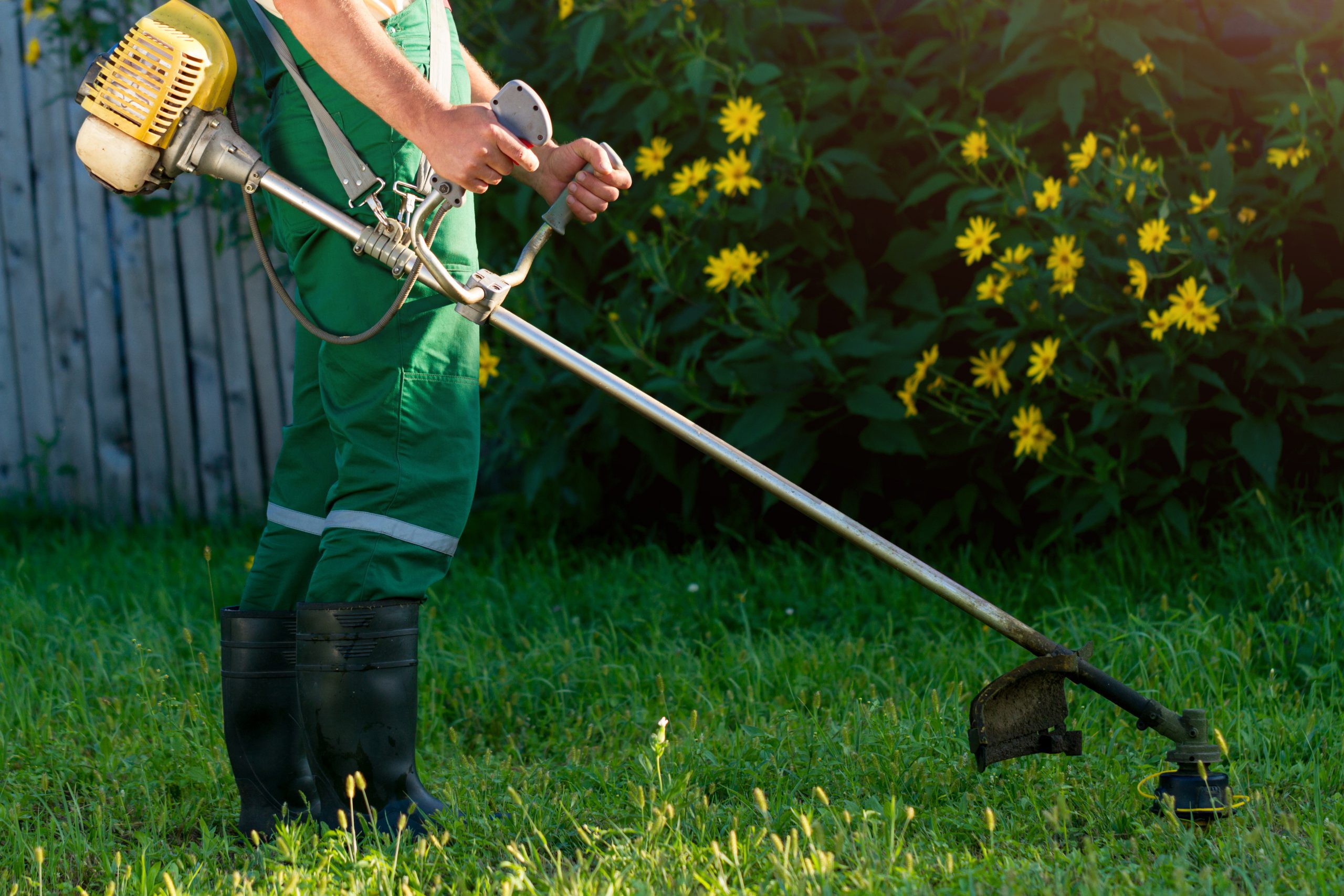
Lawn scalping is one of those terms you hear tossed around when spring rolls in, but most homeowners aren’t sure if it actually helps or just risks damaging the yard. The short answer: in the right conditions, scalping can help wake up warm-season lawns and clear out old growth. Done wrong, it can leave lasting bare spots. Below, we’ll explain what it means, when it works, and how to handle it safely, whether you’re doing it yourself or want a pro to handle it through LawnGuru.
What Is Lawn Scalping?
Lawn scalping means mowing grass much lower than usual, almost down to the soil, to remove the old layer of blades and winter debris. It’s a one-time task, usually done at the start of the growing season for warm-season grasses.
How Scalping Differs From Other Lawn Care
- Mowing: Keeps grass at a regular height for routine growth and appearance.
- Dethatching: Uses rakes or machines to clean out built-up thatch from below the grass, without cutting the green blades much lower.
- Scalping: Sets the mower very low to remove dormant top growth and debris, speeding up spring recovery for certain grass types.
What Scalping Actually Does For Your Lawn

When used at the right time, lawn scalping can:
- Speed Up Spring Green-Up: By removing old or dead grass, sunlight reaches the soil sooner, and new shoots break through faster.
- Clear Thatch and Debris: Leftover thatch and last season’s leaves can clog up new growth, scalping clears the way.
- Improve Fertilizer Access: Stripping away the top layer puts nutrients closer to the roots after feeding.
- Level Uneven Spots: Reduces noticeable winter damage and helps create a more even look, especially for warm-season lawns coming out of dormancy.
Warm-season grasses, like Bermuda and Zoysia, respond best and recover quickly after scalping if it’s done just as growth starts. Cool-season grasses (such as fescue or bluegrass) do not tolerate scalping and will likely thin out if cut that low.
Best Time to Scalp Your Lawn
Getting the timing right matters. The wrong timing can set the lawn back or make it harder to recover.
- Warm-Season Grasses (Bermuda, Zoysia, Centipede):
Do this in late winter or very early spring, when you first notice new green shoots and before the first regular mow. Soil temperature around 55–65°F is a good indicator. - St. Augustine:
This grass is more sensitive. If you scalp, do it lightly and after all frost is past. - Cool-Season Grasses:
Skip scalping. These do better with steady mowing and seasonal aeration.
If you aren’t sure what grass you have, or if your timing is right, local service providers from LawnGuru can help evaluate.
How To Scalp Your Lawn Safely
If you’re planning to do this yourself, here’s what you’ll need and how to avoid common mistakes.
Equipment and Setup
- Mower with sharp blade (rotary, self-propelled, or riding)
- Lower the cutting height to about ½ to 1 inch for warm-season varieties, but avoid setting so low that you hit bare dirt
- Debris bag (if available)
- Leaf rake for cleanup
Steps & Safe Practice
- Clear the Lawn: Remove branches, rocks, and anything that could snag the low blade.
- Work Dry: Only mow when the lawn is dry to prevent clumping.
- Lower Mower Gradually: If grass is tall, don’t try to cut everything on one pass, lower the blade a step or two and make a second mow if needed.
- Protect Yourself: Glasses or simple goggles help keep dust and debris out of your eyes.
- Bag or Rake Debris: Removing what you cut keeps things tidy and prevents dead material from blocking new growth.
For larger properties or if you prefer not to risk damaging your mower or turf, LawnGuru pros are equipped to handle full spring cleanups.
Avoid These Common Scalping Mistakes
- Starting Too Early or Too Late: The lawn needs to be waking up but not past green-up. Too soon or too late and recovery lags.
- Cutting Below the Crown: Don’t mow down to bare soil, this can kill the grass at the root.
- Using a Dull Blade: Torn blades increase the risk of disease.
- Scalping Cool-Season Lawns: This often thins the lawn or leaves patchy spots.
- Neglecting Aftercare: Forgetting to water or letting weeds move in slows recovery.
If you’re unsure about your grass type or timing, it’s safer to get advice from someone local or connect with a provider through LawnGuru.
Help Your Lawn Bounce Back
Once the lawn has been scalped, the next steps help promote even, quick recovery:
- Water Within a Day: A light watering reduces shock and helps new blades grow.
- Fertilize Cautiously: Wait for early green-up before feeding, early fertilizer can burn dormant roots.
- Watch for Weeds: Bare patches are prime spots for weeds. Spot-treat as they appear.
- Return to Normal Mowing: As growth picks up, gradually move cutting height back to your routine level.
- Keep It Clean: Rake off any remaining debris so sunlight hits new grass.
With a little attention, most warm-season lawns fill in quickly after scalping. If bare patches linger or you’re not comfortable doing this solo, booking service through LawnGuru makes the process hands-off and predictable.
Reliable Service, Transparent Results
Lawn scalping can boost lawn health, but only if it’s tailored to your turf and timed right. The hardest part is knowing when and how much to cut. Trying it yourself is possible, but using a trusted service brings added peace of mind: instant pricing, vetted pros, photo receipts, and real-time updates until the job’s done. Over a million jobs completed with high satisfaction means you know what to expect from LawnGuru.
Ready for a clean slate this spring? Get an instant quote, see available pros in your area, or contact us to discuss your property today.