Crab grass is a common nuisance for lawns. It spreads quickly in open patches, competes with grass for nutrients, and often reappears despite repeated efforts to remove it. The good news: with the right timing and approach, you can keep crab grass in check. Whether you’re handling your own yard or overseeing multiple properties, this guide gives you straightforward methods for crab grass control and clear guidance on when it can help to bring in a LawnGuru trusted local pro.
Crab Grass Basics: Identification and Main Types
Knowing what you’re dealing with helps you act quickly. Crab grass is an annual grassy weed, germinating, growing, and seeding in one season before dying off and returning from seed the next year. Areas of lawn that are thin or stressed are at higher risk.
Most Common Types:
- Smooth Crabgrass: Fine-bladed, forms a low, spreading mat.
- Large Crabgrass: Thicker leaves, grows more upright.
How to Identify Crab Grass:
- Lighter, yellow-green color than most lawn grass
- Spreading, star-like growth from the center
- Short, wide leaf blades, often with a visible central vein
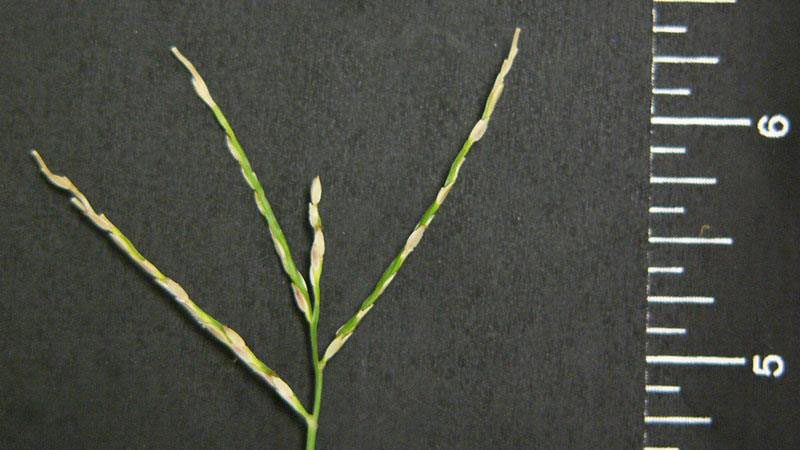
- Seed heads that branch out like fingers
If you’re unsure, take a photo and compare it online, or use the LawnGuru app to ask a local pro for identification before starting treatment.
Why and When Crab Grass Appears
Crab grass seeds are persistent and wait in the soil until conditions are right:
- Germination Time: Crab grass typically sprouts in spring, once soil temperatures consistently reach about 55°F (13°C). This can be early March in some areas or as late as May in cooler regions.
- What Favors Crab Grass: Bare, compacted soil, grass cut too short, and frequent shallow watering all encourage crab grass growth.
Missing a key prevention step, like spring pre-emergent application, often means more crab grass to manage all summer.
Solid Prevention Tactics for Any Lawn
A dense, well-cared-for lawn discourages crab grass from taking hold. Most cases can be traced back to gaps or stressed turf, rather than random bad luck. Here’s what makes a difference:
Mowing Height Matters
- Keep Grass Tall: Set mower height to 3–4 inches for cool-season grass. Taller grass shades soil, making it less suitable for crab grass.
- Avoid Cutting Too Short: Scalping weakens your main grass and opens space for weeds.
Smart Watering and Fertilizing
- Water Deeply, Not Often: Less frequent, deeper watering encourages stronger grass roots and deprives crab grass of what it needs.
- Fertilize Correctly: Applying the right type and amount of fertilizer for your grass supports resilience. Too much fertilizer, especially in late spring, may feed weeds as well as your turf.
- Aerate Soil: Aeration reduces compaction and helps good grass establish.
Overseeding and Patch Repair
- Seed Bare Spots Early: Overseed or reseed in early spring or fall for best results. This crowds out weeds before they establish.
- Power Edging and Dethatching: Regular maintenance helps keep soil covered and healthy. These can be done DIY or booked through LawnGuru if you prefer pro help.
Pre-Emergent Herbicide: Prevention That Works
Using a pre-emergent herbicide can prevent crab grass seeds from sprouting in the first place and is often the single most effective chemical step.
When and How to Apply
- Best Timing: Apply pre-emergents before crab grass seeds germinate (when soil temps reach 55°F (13°C) for a few days). Early spring, around the time forsythia or lilacs bloom, is a good visual cue.
- After Application: Water the product in as directed. Avoid overseeding right afterward, as pre-emergents block all seeds.
Choosing Products and Applying Safely
- Common Ingredients: Look for prodiamine, dithiopyr, or pendimethalin (widely available in products like Barricade or Dimension). Always check that the product fits your grass type.
- Read Labels: Follow all instructions to avoid harm to existing grass.
- Pet and Child Safety: Let the product dry thoroughly before allowing activity on the lawn.
Dealing With Existing Crab Grass: Post-Emergent Options
If crab grass is already visible, targeted treatment is possible, but results are best when weeds are small.
Best Times and Application Basics
- Act Early: The smaller the weed, the better the response to treatment.
- Apply on Calm, Dry Days: Avoid windy days and rain soon after application for best effect.
Product Notes
- Look For: Products with quinclorac (e.g., Drive XLR8, Ortho Weed B Gon Plus Crabgrass Control) are commonly used on many lawns.
- Spot Treating: Apply only where crab grass is present to protect healthy turf.
- Repeat if Needed: Some infestations require more than one round of treatment.
If handling chemicals doesn’t fit your routine, LawnGuru connects you directly to local pros who can take care of treatments with clear communication and photo receipts for peace of mind.
When to Bring in a LawnGuru Pro
Persistent crab grass, large problem areas, or uncertainty about products are common reasons to get professional help. LawnGuru connects you with trusted lawn care pros for crab grass control, routine mowing, core aeration, overseeding, and more.
You get:
- Booking, communication, and payments through the app or website
- Accurate, upfront pricing thanks to aerial mapping
- Progress updates and real-time job tracking, all backed by the Guru Guarantee (fixes or refunds if not satisfied within 3 days)
- Hundreds of local providers rated 4.9/5 across over a million jobs
Addressing Crab Grass for the Long Term
Crab grass control isn’t a one-time fix for most properties. It means watching your mowing, watering, and seeding habits each season and using reliable chemical or manual treatments when needed. Tackling it now saves time and effort down the road, and support from a trusted LawnGuru pro is always an option when the job calls for it.
Ready for a clear plan or need help right away? Enter your address for a free quote and see how easy getting trusted, local crab grass control can be.