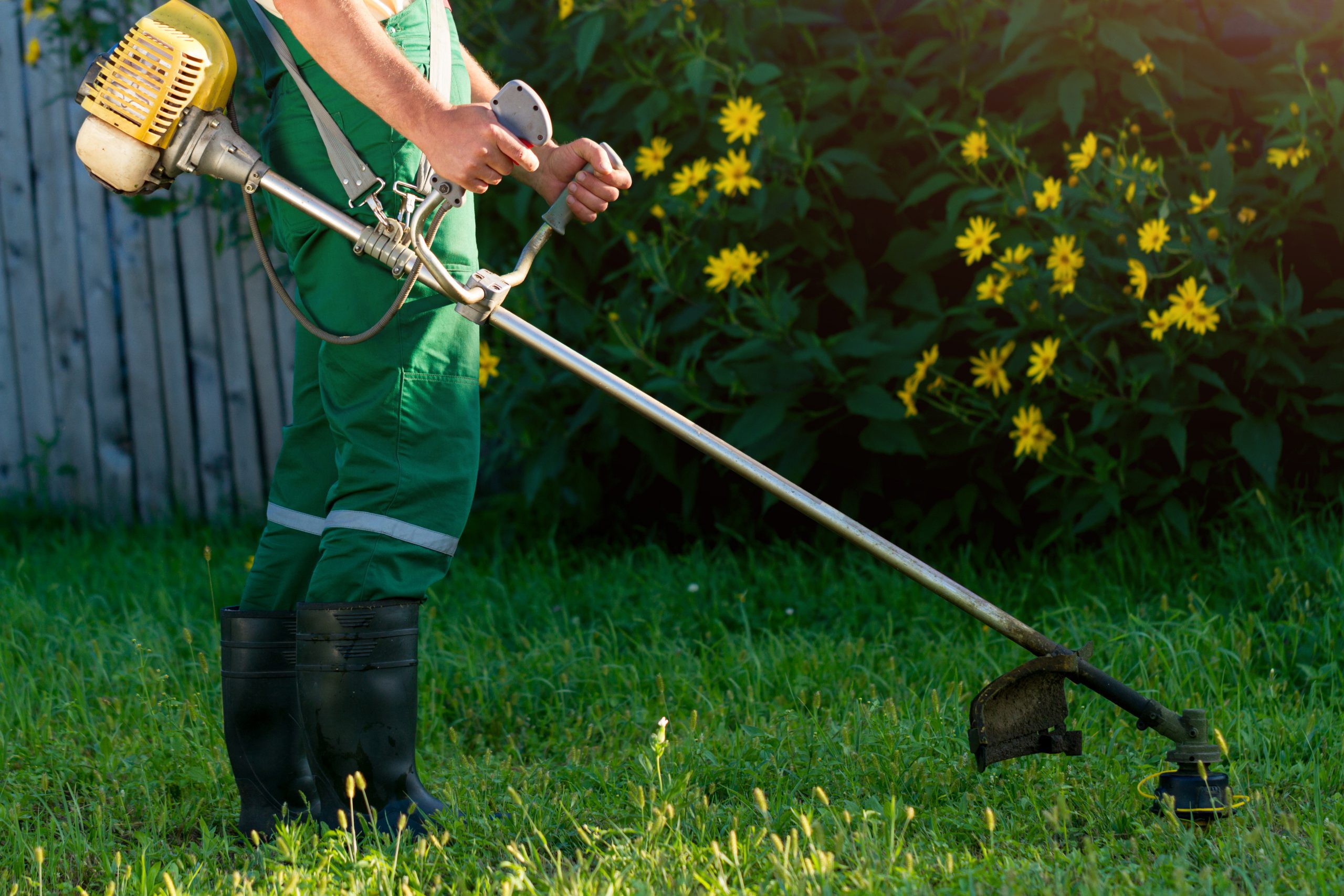
A lush, even, and closely mowed lawn stands out, no surprise golf course turf is the benchmark. While the look may seem out of reach, with the right plan and steady habits, you can get much closer than you might think. It comes down to understanding your yard, sticking to the basics, and using tools and timing that actually make a difference.
You don’t have to do it all alone. While many homeowners enjoy handling the work themselves, some steps are easier, and often more cost-effective, when handled by a lawn pro. LawnGuru lets you instantly price, book, and track services by top-rated local experts whenever you need backup.
Let’s get into the specifics of how to bring golf course quality to your own lawn, step by step, no special insider access required.
What Makes a Golf Course Lawn Stand Out?
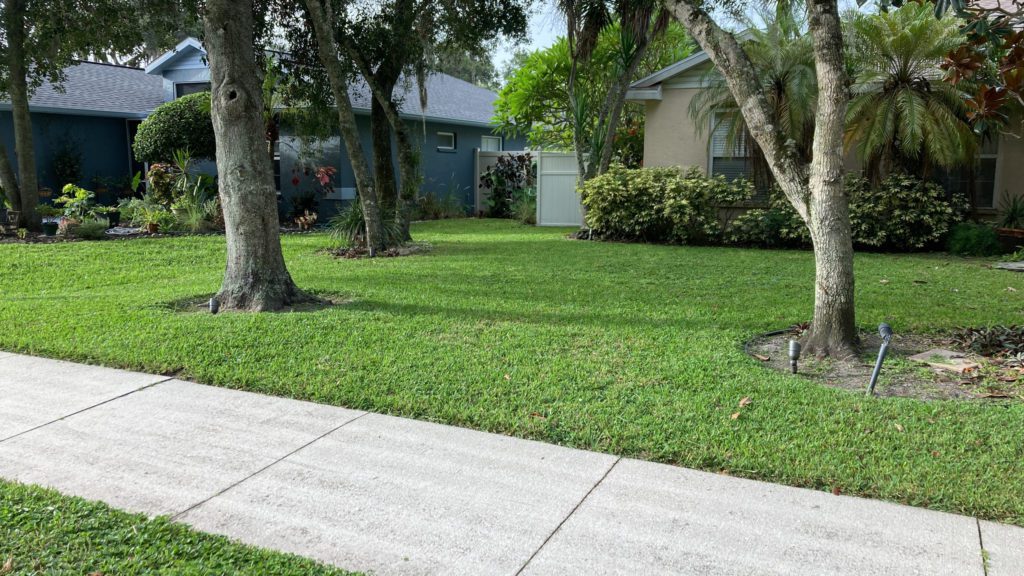
Key Features of Golf Course Turf
Golf course lawns aren’t “better” by accident. What separates them:
- Uniform color and density: Few bare spots or weedy patches.
- Tight, low mowing: Maintained shorter than most home lawns for a close-cropped look.
- Even, sturdy turf: Well-rooted and resilient from consistent soil care.
- Visible mowing patterns: Striping and checkerboards from specific mowing and rolling practices.
The difference isn’t about rare grass types or high-cost treatments, it’s day-to-day care, careful attention to timing, and regular maintenance.
Realistic Expectations (and Avoiding Common Pitfalls)
Golf-level lawns don’t require endless spending or rare equipment. Most of the results come from routine steps, just done reliably, with an eye on details that often get skipped.
Common mistakes:
- Chasing gimmicks: The right basics, mowing, watering, fertilizing, get you most of the way there.
- Thinking you have to go it all alone: Booking pro help for particular jobs, or even just tricky timing, is common (and easy to do through platforms like LawnGuru).
- Ignoring climate: Local conditions shape the best grass and timing for care.
A golf course look comes from steady habits, not from overcomplicating things.
Assess and Prep Your Lawn
How to Check Soil Health
Healthy turf starts underground. Order a soil test kit (available at garden centers or extensions offices). Instructions are straightforward: gather a few samples from different parts of your yard and follow the test directions.
What you’ll find out:
- pH: Most grass grows best in a 6.0–7.0 range.
- Nutrient balance: Especially nitrogen, phosphorus, and potassium.
- Soil structure: Compaction or poor organic content will limit root growth.
If your soil needs work, like adjusting pH or adding nutrients, address this before any seeding, aeration, or heavy feeding.
Don’t want to mess with test kits? LawnGuru pros in your area can handle soil testing and explain next steps.
Choose the Right Grass for Your Region
Matching grass to climate is non-negotiable.
- Cool-season (e.g., Midwest, Northeast): Kentucky Bluegrass, Fescues, Ryegrass.
- Warm-season (e.g., South, transition zones): Bermuda, Zoysia, St. Augustine.
If your yard has heavy shade or drainage trouble, opt for blends that suit your conditions. Not sure what you have? Your local extension service or a LawnGuru-connected pro can make recommendations.
Tools the Pros Use and What Matters at Home
Mower Types: Reel vs. Rotary
- Reel mowers: Cut very low with a scissors motion for a close, clean look. These work best on flat lawns and require regular cutting.
- Rotary mowers: More common for homeowners, especially on uneven or larger yards. Keep blades sharp and cut higher if mowing isn’t frequent.
Renting a reel mower for special occasions is an option, as is booking a local pro for golf-grade mowing now and then.
Spreaders, Aerators, and Sprayers
- Spreaders: For even coverage when applying seed or fertilizer.
- Core aerators: Relieve hard, compacted soil and boost root growth. Easily rented, or bring in a local pro for this task.
- Sprayers: Useful for treating localized weed or pest problems.
If you’re not looking to buy these tools, most lawn maintenance pros can handle the job and bring the right equipment.
Mowing for Golf Course Results

Setting Height and Frequency
- For cool-season grasses: Set to 2.5–3.5″, mow weekly during the growing season.
- For warm-season grasses: Set to 1–2″, mow every 3–5 days for denser turf.
Never cut off more than a third of the blade length at a time. Alternate mowing patterns and keep blades sharp for the best results.
Creating Patterns
Striping and patterns aren’t just cosmetic, they help turf stand tall and avoid impressions from repeated cuts. Use a roller if you want bold patterns, but changing directions every mow helps, too.
Feeding Your Lawn: Fertilizer Choices and Timing
Matching Fertilizer to Season and Soil
- Spring and fall (cool-season): Focus on slow-release nitrogen.
- Summer (warm-season): Use moderate feeding, avoid applications right before rainfall.
- Micronutrients: Iron can boost green color without increasing growth too much.
Granular fertilizers are easy to apply at home. Follow the directions, more isn’t always better. If in doubt, top-rated pros booked through LawnGuru use tested products and calibrated equipment for consistent results.
Getting and Keeping Golf Course Quality
A golf course lawn comes down to steady basics: regular mowing, smart fertilizing, and attention to turf and soil health. Whether you do it all yourself or bring in expert help for certain tasks, consistency and good timing are what matter most.
Ready for a better lawn with less hassle? LawnGuru connects you with local pros for as much or as little help as you need. Get an instant price, review top-rated providers near you, and track jobs right from your phone. Book a service or get a quote today, your next round of lawn care is just a click away.