You’ve got your Saturday rhythm going, sun’s barely up, coffee in hand, trimmer and mower prepped by the garage. You pause and glance at the lawn. Then the mental debate kicks in: should you edge or mow first? It seems small, but that one decision can mean the difference between a yard that looks polished… or one that needs a redo.
In most cases, mow first. Cutting the grass before edging gives you a clear view of how much line height is left to define and prevents mower blowout from burying a clean edge in clippings. You’ll also avoid wasting time edging spots that the mower will clean up anyway. Weekday mowing should start no earlier than 7:30 AM, and on weekends, try to hold off until 8:30 or 9:00 AM if you’ve got close neighbors. For best turf health, aim for mid-morning (9:00–11:00 AM) when the dew has dried and the sun isn’t punishing yet.
At-a-Glance Mowing Order Breakdown:
- Mow First: Better line visibility, cleaner edge definition, avoids duplicate trimming
- Edge First: Useful only if you use edging as a mowing guide or have tool limitations
- Pros’ Choice: Mow → Edge → Blow for fastest cleanup and sharpest finish
Why Mowing Should Usually Come First
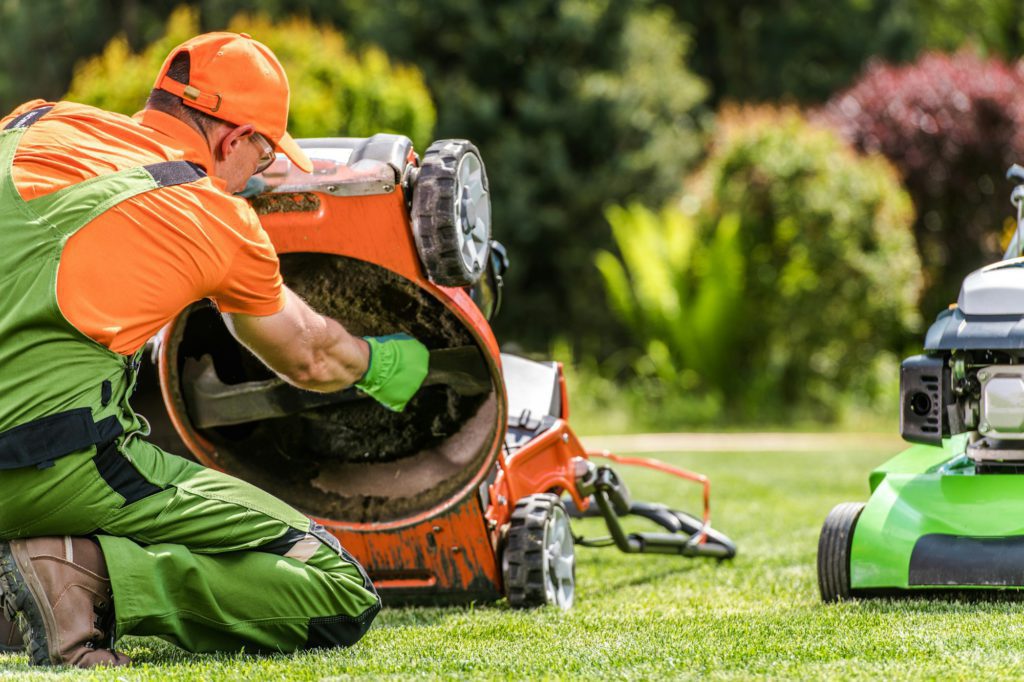
Most homeowners start by trimming because it feels like prep work. But here’s what happens: you edge, then your mower cuts slightly outside your trimmed line or buries it in mulch, forcing you to redo it.
Cleaner Lines From Edging After Mowing
Once you mow, the actual grass line becomes visible. That’s your real edge reference, not where you think it should be, but where it actually is. This ensures you’re trimming precisely to the cut height, not past it.
Mowing Height Influences Edging Height
Let’s say you’re running your mower deck at 3 inches. If you edge beforehand, you might cut deeper than necessary. That’s a recipe for scalping the border or fraying your line unnecessarily. Mowing first helps set a consistent cutline to match.
Bagging vs Mulching and Clipping Fallout
If you mulch your clippings and edge first, guess what gets buried in loose blades? Your clean sidewalk lines. Now you’re blowing clumps out of the crack instead of just dust. Edging after mowing saves you that step, and keeps cleanup to a quick once-over.
Reality Check: Re-edging what the mower already cleaned up is just lost time, especially when it’s 85 degrees and you’re sweating through your shirt.
When to Edge First Instead (Rare Exceptions)
Sometimes edging first does make sense, but it depends entirely on your gear and yard layout.
If Your Mower Has Trouble Along Hardscapes
Some riding or wide-deck push mowers can’t hug corners well. If your sidewalk or driveway curves tightly, edging first can guide your mow line and keep you from leaving a shaggy fringe.
If You’re Using Edging as a Border Reference
This is rare, but if you’ve just reseeded or your lawn edge isn’t well-defined yet, edging first helps outline where the turf ends. It’s more of a mapping tool in that case, not a grooming step.
When Moisture, Terrain, or Tool Access Change the Plan
In very wet conditions, edging first might be safer, your mower won’t blow slop into the edging gap. And if you’re working on a steep grade where getting both feet down is a challenge, doing the tool-heavy work first while you’re fresh can help reduce slips.
Order Matters More for Curb Appeal Than Lawn Health
Let’s be honest, your grass doesn’t care which came first. But your HOA, your realtor, or that one neighbor who measures blade angles from the sidewalk? They’ll spot a rough edge from across the street.
Edging Last Makes the Cut Stand Out
After mowing, your lawn’s trimmed height is obvious. Following up with a sharp, vertical edge makes the difference pop. Done right, it almost frames the whole yard.
Blended Edges vs Defined Cuts
If you edge first and the mower flattens the line, you get a blur, not a frame. That’s fine for casual backyards, but front lawns or listing photos need contrast. Defined cuts make the yard look intentional.
Common Habits That Undo Your Work
Skipping blower cleanup, edging on wet soil, or using dull trimmer line will all sabotage your hard work. Whatever order you choose, the follow-through is what people notice.
What the Pros Do (and Why It Works)
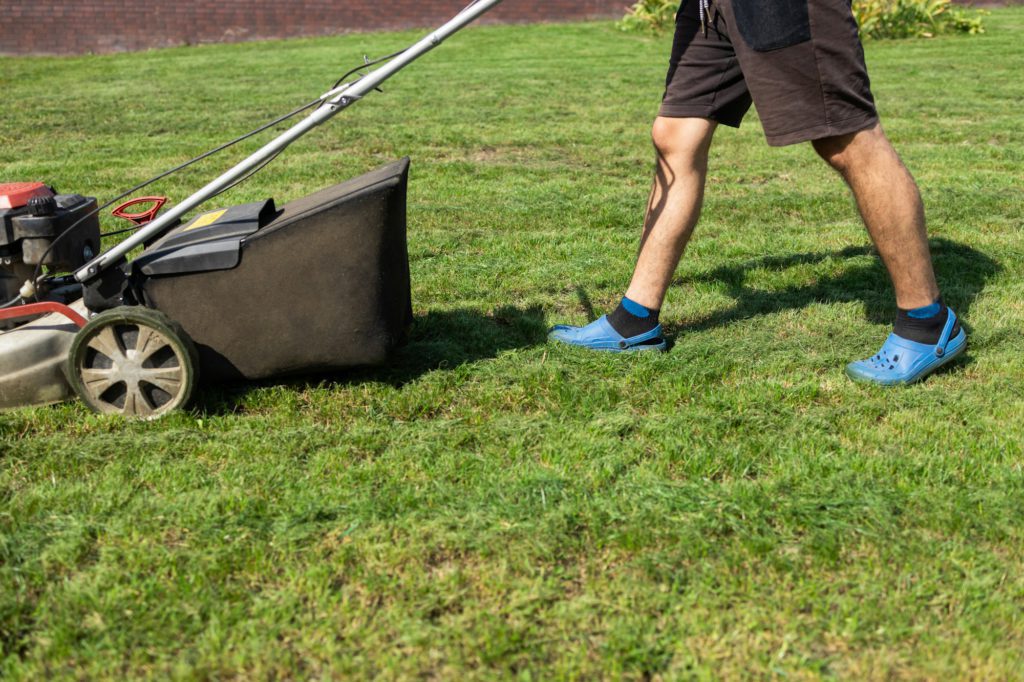
Ask any lawn crew in your area what order they follow and you’ll likely hear the same three words: mow, edge, blow.
How Contractors Avoid Edge-Mow-Edge Routines
Re-edging after mowing isn’t efficient. It doubles the time and wears your trimmer line down fast. Crews with tight schedules avoid that by mowing first, always.
Real Maintenance Routes: Mow → Edge → Blow
That sequence keeps gear staging tight, limits tracking debris into trimmed areas, and gives the best cleanup flow. Pros think in terms of footpaths and tool sequencing, not just task order.
Why Timing Saves Fuel, Wear, and Labor
Running a trimmer for 20 extra minutes a day adds up. Over a week, that’s a full tank of mix and extra engine strain. Homeowners won’t notice that difference day-to-day, but you’ll feel it over a summer.
Pro Tip: If you’re running battery tools, mowing first helps conserve runtime for edges where precision matters.
Should You Edge or Mow First for Safety and Efficiency?
Beyond appearance, the right order can actually reduce injury risk and job fatigue.
Visibility Matters — Clippings Obscure the Edge
Ever tried edging through a clump of damp clippings? You can’t see what you’re trimming. Mowing first clears the area, making it safer and cleaner to edge.
Power Tools on Slopes: Order Reduces Slips
On a slope, a tired trimmer hand can get sloppy fast. Mowing first gives you a firmer footing zone to walk along, no long grass to trip over or wet mulch to slide on.
Less Rework, Less Fatigue: Get It Done Smarter
Doing a job once, right, beats doubling back. Mow first, edge cleanly, blow it out. That rhythm builds efficiency into every pass. That’s how we do it, and it’s how you should too if you value your time.
Mow First for Most Lawns, but Adjust When Needed
If your tools are sharp, your edges defined, and your grass dry, mowing first is the way to go. It saves time, looks better, and keeps your workflow tight.
Adjust Based on Slope, Clutter, Tool Access, and Edge Needs
Got tree roots, tight curves, or shared equipment? Then sure, edge first sometimes. But treat that as the exception, not the rule.
If in Doubt, Test Both Orders and Compare
Next time you mow, split the yard down the middle. Edge first on one side, mow first on the other. Step back and look. Which one makes you nod in approval? That’s your answer.
FAQs About Edging and Mowing Order
Is it bad to edge before mowing?
Not bad, just usually unnecessary. It can lead to duplicate work or bury your edge under clippings. Mowing first is cleaner in most cases.
Can I edge the same day I mow?
Yes, and most do. In fact, edging right after mowing gives the best visibility and results. Just avoid edging on wet ground.
Do landscapers always mow first?
Yes. Most pros mow first to establish the line, then edge for crisp definition, then blow for cleanup. It’s a proven, efficient sequence.
Should I edge every time I mow?
Depends on growth and visibility. Weekly mowing might only need edging every 2–3 weeks. If your edges stay tight, you can skip a round.
What’s the difference between edging and trimming?
Edging creates a vertical line between grass and hard surfaces. Trimming cuts grass your mower missed, usually around trees or fences.
Want the Cleanest Cut Without Lifting a Finger?
LawnGuru makes it easy to book edging and mowing as a bundle, whether it’s a one-time job or a recurring service. Busy schedule? No problem. We offer same-day bookings, upfront pricing, and real-time updates without estimates or door knocking.
Let a Local Pro Handle the Details
If lawn work eats into your weekends or you’re tired of patchy results, hand it off. The cleanest lawns aren’t just about effort, they’re about timing, order, and experience. Let us take care of that, so you don’t have to second-guess what comes first.