A lawn that once looked thick and vibrant can gradually become thin or uneven. Heat, drought, heavy foot traffic, and natural aging all take a toll on grass over time. When turf begins to lose density, overseeding is one of the most effective ways to bring it back.
Overseeding means adding fresh grass seed directly into an existing lawn. The goal is to fill in thin areas and encourage new growth so the lawn becomes thicker and healthier.
However, simply spreading seed across the yard rarely produces great results on its own. Grass seed needs proper soil contact, adequate moisture, and the right growing conditions to germinate successfully. Preparing your lawn beforehand helps ensure that new seedlings establish strong roots and grow evenly.
This guide explains how homeowners can prepare their lawn for overseeding so new grass has the best chance to grow.
The Basics of Overseeding and Preparing Your Lawn
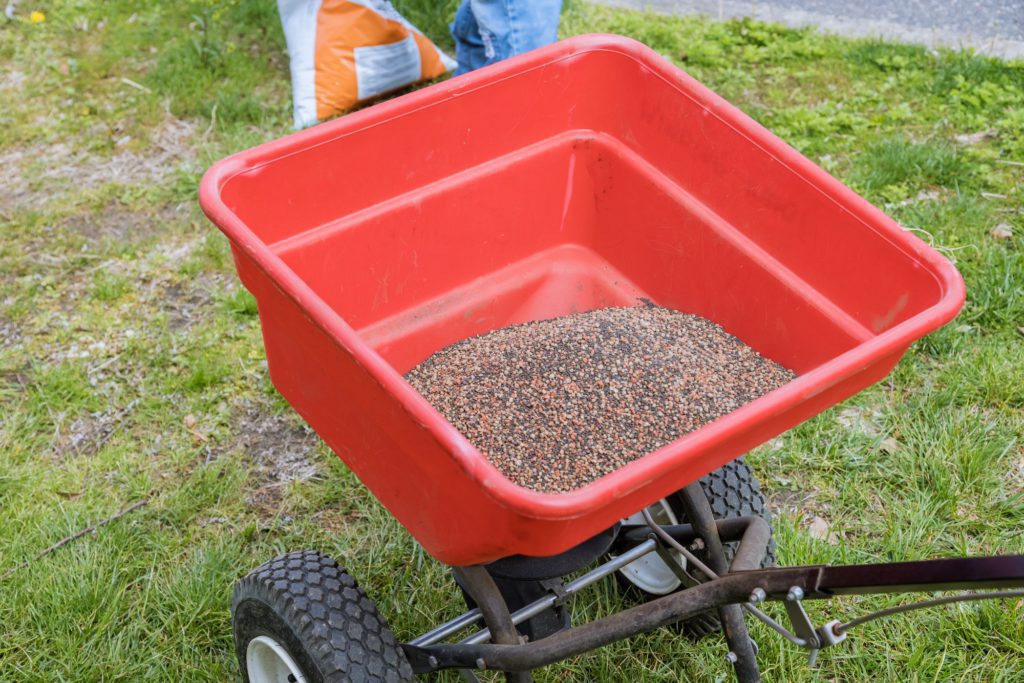
Overseeding is the practice of introducing new grass seed into an existing lawn without removing the current turf. Instead of starting over with bare soil, this process strengthens what is already there by filling in weak or thinning areas.
For many homeowners with cool-season lawns, overseeding is a routine part of lawn care. It improves overall density, enhances color, and can help lawns compete better with weeds.
Preparation is an important step because grass seed must reach the soil in order to germinate. If seed lands on top of thick grass or debris, it may dry out or fail to establish.
Simple steps like mowing lower, loosening the soil, and providing nutrients can significantly increase the success rate of overseeding.
Tip: Lawn aeration is often performed at the same time as overseeding. The small holes created by aeration allow seeds to settle into the soil where they can absorb water and begin growing.
Preparing Your Lawn Before Overseeding
Taking time to prepare your lawn properly can greatly improve the results of overseeding. The following steps help create the conditions new grass needs to establish.
Step 1: Evaluate the Condition of Your Lawn
Begin by examining the current state of your turf. Overseeding works best when a lawn still contains a reasonable amount of healthy grass.
If at least half of the lawn is still living turf, overseeding can usually fill in thinner areas successfully. However, if weeds dominate or soil is heavily compacted, additional lawn treatments may be necessary before seeding.
Timing also plays a role. Cool-season grasses such as Kentucky bluegrass, tall fescue, and perennial ryegrass respond best to overseeding in early fall when soil temperatures remain warm but air temperatures become cooler.
Warm-season grasses generally do not benefit from overseeding in the same way, although aeration can still improve soil health.
Step 2: Mow Shorter and Clear the Lawn Surface
Before applying seed, cut the lawn slightly shorter than your typical mowing height. For most cool-season lawns, mowing down to about 1.5 to 2 inches works well.
Shorter grass allows seeds to reach the soil and reduces competition for sunlight during early growth.
After mowing, remove clippings, leaves, and other debris. Raking the lawn also helps expose the soil surface so seeds can settle where they need to grow.
If the lawn contains a heavy layer of thatch, dethatching may also be helpful. Thick thatch can block seeds from reaching the soil and reduce germination rates.
Step 3: Loosen Compacted Soil
Grass seedlings establish more easily in soil that allows water, air, and nutrients to move freely. When soil becomes compacted, roots struggle to develop and new grass has difficulty growing.
Core aeration is one of the most common ways to address this problem. Aeration removes small plugs of soil and leaves openings where seeds can settle.
These openings improve seed-to-soil contact and help moisture reach developing roots.
Some lawn care professionals may also use slit seeding equipment, which places seeds directly into narrow grooves in the soil.
Step 4: Check Soil Health
Healthy soil provides the foundation for strong grass growth. Testing the soil before overseeding can reveal important information about nutrient levels and pH balance.
Most lawn grasses grow best in soil with a pH between 6.0 and 7.0.
If the soil is too acidic, adding lime may help balance it. If the soil is too alkaline, sulfur or other soil amendments may be recommended.
Soil testing can also show whether nutrients such as nitrogen, phosphorus, or potassium are lacking. Correcting these deficiencies before overseeding gives seedlings a better start.
Step 5: Select a Suitable Grass Seed
Choosing the right seed mixture can make a noticeable difference in how well new grass establishes.
Cool-season lawns often benefit from blends containing varieties such as:
- Kentucky bluegrass
- Turf-type tall fescue
- Perennial ryegrass
These grasses are well suited to cooler climates and commonly used for overseeding.
Warm-season lawns typically rely on different maintenance strategies since many warm-season species spread through runners rather than seed.
High-quality seed blends that are bred for improved drought tolerance and disease resistance can help create a more resilient lawn.
Step 6: Apply Starter Fertilizer
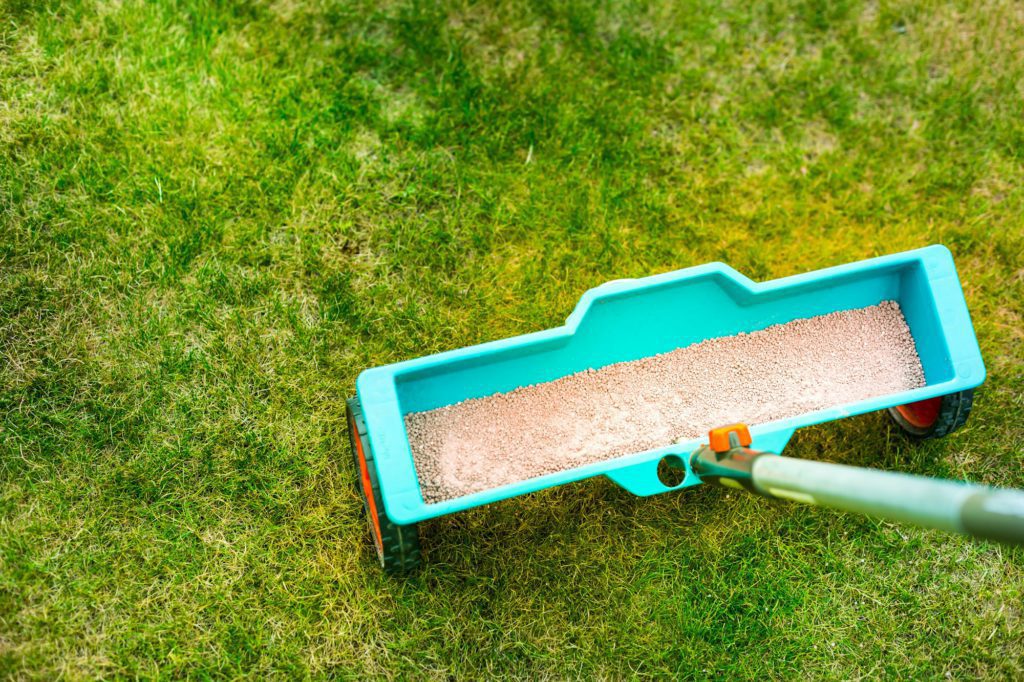
Young grass seedlings require nutrients to develop strong roots. Applying a starter fertilizer during overseeding can support early growth.
Starter fertilizers often contain higher phosphorus levels, which help promote root development.
Applying fertilizer shortly before or after spreading seed ensures that new plants receive the nutrients they need during the early stages of growth.
Step 7: Maintain Consistent Moisture
Water is one of the most important factors in successful overseeding. Grass seed must remain moist in order to germinate.
During the first week or two, light watering once or twice per day may be necessary to keep the top layer of soil damp.
Once seedlings begin to appear, watering frequency can gradually decrease while the amount of water increases. This encourages deeper root growth and stronger plants.
Allowing the soil to dry out during this stage can interrupt germination, while excessive watering may wash away seed or encourage disease.
Common Overseeding Problems
Overseeding sometimes produces disappointing results when important steps are skipped.
Some common issues include:
- Seeding at the wrong time of year
- Failing to aerate or loosen compacted soil
- Using grass seed that does not match the local climate
- Cutting the lawn too soon after seeding
- Inconsistent watering during germination
Avoiding these problems can dramatically improve the outcome of an overseeding project.
Caring for Your Lawn After Overseeding
Once new grass begins to grow, proper aftercare helps protect young seedlings.
Limit foot traffic for the first few weeks so that delicate plants are not damaged. Wait until new grass reaches about 3 to 4 inches tall before mowing.
When mowing for the first time, use sharp blades and avoid cutting too much of the grass at once.
Maintaining steady watering during this stage allows seedlings to develop stronger root systems and become more resilient.
Get Professional Help When You Need It
Preparing a lawn for overseeding involves several important steps, from mowing and aeration to soil preparation and watering. When each step is done correctly, overseeding can transform a thin lawn into thicker, healthier turf.
If you prefer not to tackle the process on your own, LawnGuru makes it easy to connect with experienced lawn care professionals. With simple scheduling and reliable service, maintaining a healthy lawn becomes much more convenient.
A well-prepared overseeding project can help restore lawn density, improve color, and create a yard that looks better throughout the growing season.