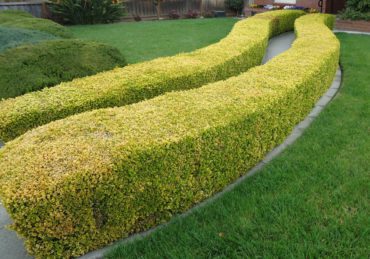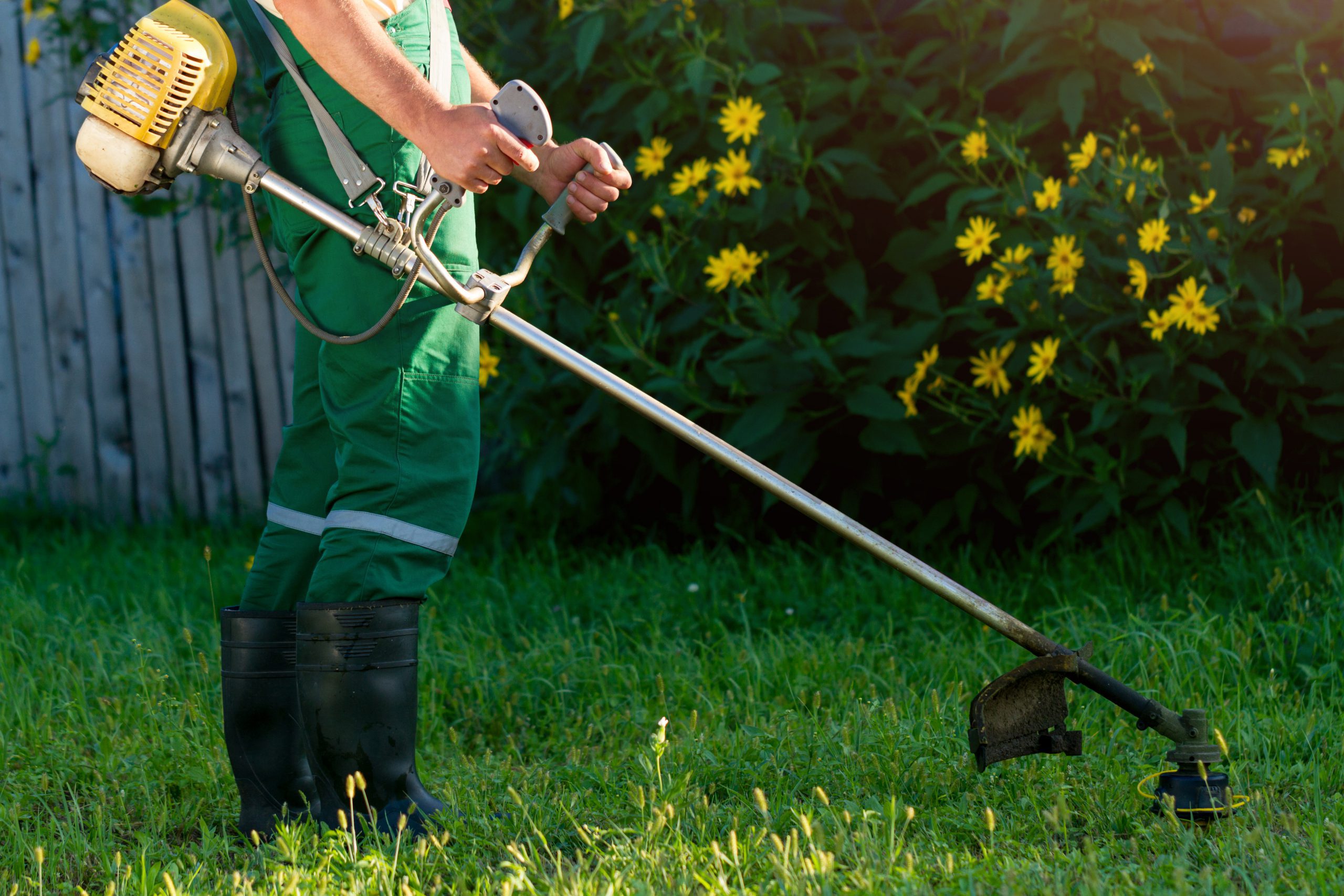

A well-tended hedge does more than add curb appeal, it marks clear boundaries, improves privacy, and keeps your landscape tidy. If you haven’t trimmed hedges before, it can seem like a hassle, but with some planning and the right approach, the work gets easier.
This straightforward guide walks you through the essentials, whether you’re managing your own backyard, several properties, or simply want to avoid missteps and extra cleanup. Use these tips to avoid common trimming mistakes and get reliable results.
Why Hedge Trimming Matters
Trimming might look simple, but cutting haphazardly can create ongoing issues:
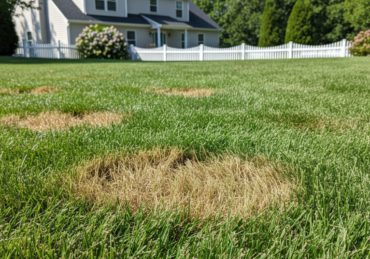
- Dead spots or patchiness: Over-cutting or trimming at the wrong time can stress plants and leave visible gaps.
- Weak or unhealthy growth: Dull tools or rough cuts open the hedge to disease.
- Uneven or awkward shapes: Without planning, it’s easy to end up with lopsided results.
- Hard-to-control overgrowth: Skipping regular maintenance makes hedges harder to manage over time.
With consistent, careful trimming, you get hedges that grow fuller and require less attention later.
When to Trim Your Hedges
Timing does most of the work for a healthy hedge:
- Spring-flowering shrubs: Trim after blooms are finished.
- Evergreens (boxwood, yew, arborvitae): Tidy up in late spring, then lightly again in summer if needed.
- Deciduous hedges: Prune in early or mid-summer; avoid cutting late in the season, which can leave new growth vulnerable.
- Extreme conditions: Don’t trim during droughts or freezes.
A good rule: don’t remove more than a third of the living growth in one season, especially for older shrubs.
What You’ll Need: Tools and Safety
The right tools and some basic gear make hedge trimming a lot simpler, and safer.
Core Tools:
- Manual hedge shears: For detailed work and small hedges.
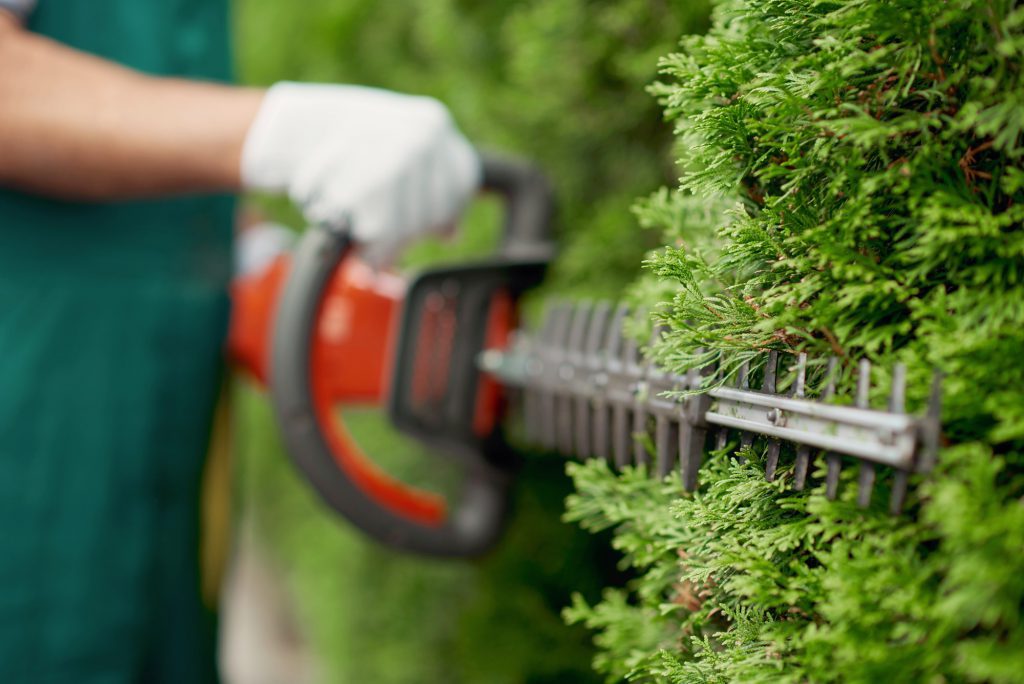
- Powered hedge trimmer (corded or battery): Helpful for longer runs or mature hedges.
- Hand pruners or loppers: For thicker branches where a trimmer won’t do.
Safety Gear:
- Eye protection
- Durable gloves
- Hearing protection (for powered trimmers)
- Steady ladder for taller hedges
- Sturdy shoes
Maintenance Tips:
- Keep blades sharp for clean cuts.
- Clean tools after each use, especially if you’ve clipped any diseased wood.
- Make sure batteries are charged and cords or fuel are ready before you start.
Step-by-Step Hedge Trimming
Here’s how to approach hedge trimming in clear stages:
1. Prep the Work Area
Clear away anything near the hedge, and lay down a tarp to catch clippings. This saves time when cleaning up.
2. Decide on the Shape
Aim for hedges that are slightly wider at the bottom than at the top. This shape lets more light hit all the branches and keeps the base full.
- Use string or a board for straight, formal hedges.
- Freehand for softer, more natural shapes.
3. Start with the Sides
Begin at the bottom and work up in slow, steady motions. Keep the trimmer parallel to the side of the hedge to avoid holes or gouges. Step back often to check your progress.
4. Trim the Top
Stand above the hedge and trim just the new growth, unless you’re deliberately reducing height. Use a guide for level cuts if needed.
5. Clip Thick or Missed Branches by Hand
Use pruners or loppers on any outliers or thicker stems. Make cuts at a bud or shoot rather than leaving stubs.
6. Double-Check Your Work
Walk around the hedge and touch up as needed to even out rough spots.
7. Clean Up
Rake clippings right away, as leftover debris can trap moisture or create rot issues. Disinfect your tools if you trimmed any sick branches.
Handling Overgrown or Neglected Hedges
If hedges have been left alone for a few seasons, take it slow:
- Don’t remove too much at once. Shape the hedge gradually over a couple of years.
- With older flowering hedges, remove a portion of the oldest branches each year.
- Research your specific plant before heavy pruning, some hedges tolerate “hard cuts” better than others.
- For tall or tangled hedges, or those near power lines, consider using a pro. Services like LawnGuru connect you with trusted local experts who can handle major cleanups and provide quotes up front.
Keeping Hedges Healthy After Trimming
A few habits keep trimmed hedges in good shape:
- Water well after heavy trimming to help recovery.
- Mulch beneath the hedge to reduce weeds and hold moisture.
- Watch for pests or signs of disease, especially after big cuts.
- Regular, lighter trims mean less drastic work each time.
- Remove deadwood promptly, even in the off-season.
When to Consider Professional Help
For most straightforward hedge jobs, the steps above are all you need. But if you’re facing overgrown hedges, mature shrubs above your reach, or simply don’t have time to do it yourself, LawnGuru can help. Our trusted local pros handle everything from basic trims to full restorations. With instant pricing, real-time job tracking, and photo proofs, you’re always in control of the process, no guessing and no surprises.
Ready to take hedge maintenance off your list? Get an instant price from LawnGuru today and see how easy it can be to keep your yard tidy, without the hassle.