Water is essential for healthy grass, but too much of it can quickly cause problems. When water collects in your yard and has nowhere to go, your lawn may struggle to stay healthy.
Most homeowners notice drainage issues after heavy rainfall when certain areas of the lawn remain wet long after everything else has dried. In some cases, poor drainage can even appear during regular watering.
If excess water isn’t draining properly, it can weaken grass roots, encourage lawn diseases, and make the yard difficult to maintain. Understanding the warning signs early can help prevent long-term lawn damage.
Below are some of the most common signs that your lawn may have drainage problems and what might be causing them.
Signs Your Lawn May Not Be Draining Properly
Drainage problems often appear gradually. Paying attention to how your lawn behaves after rain or irrigation can reveal whether water is moving through the soil correctly.
Standing Water After Rain
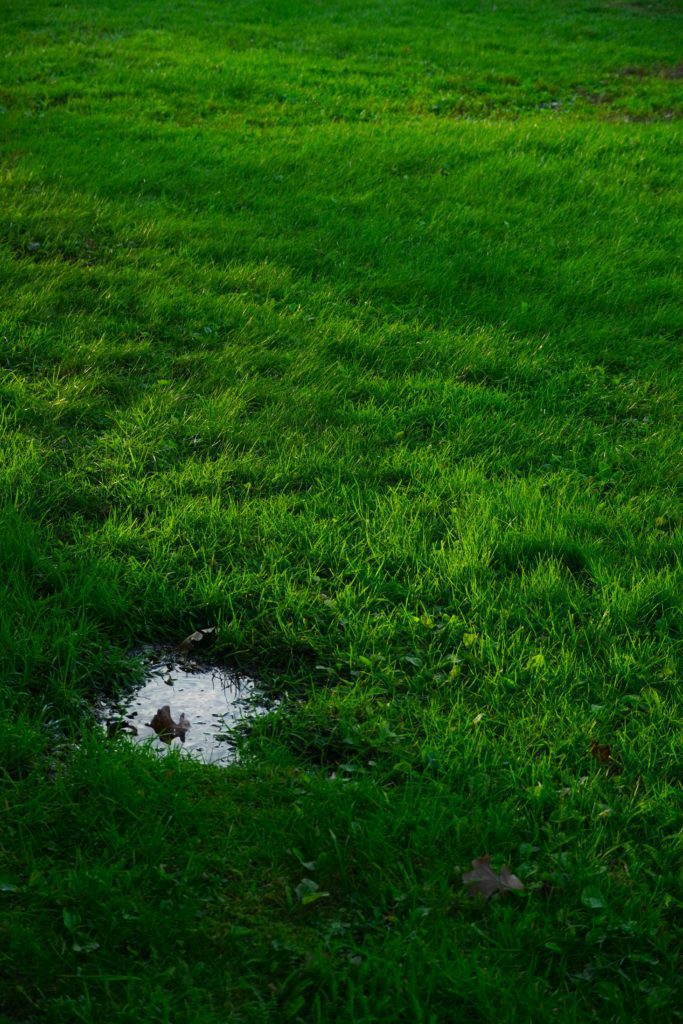
It’s normal to see small puddles immediately after a heavy rainstorm. However, these puddles should disappear within a day.
If water remains on the lawn for long periods or appears after light rainfall, the soil may not be draining effectively. Standing water can suffocate grass roots and create ideal breeding conditions for pests such as mosquitoes.
Constantly Muddy Areas
Another common sign of poor drainage is soil that stays muddy for days. Lawns with drainage problems may feel soft or spongy when walked on.
Persistent muddy patches make it difficult for grass to grow properly and can lead to thinning turf over time.
Frequent Lawn Diseases
Many lawn diseases thrive in damp environments. If your lawn regularly develops brown patches, mold-like growth, or discolored areas, excess moisture may be contributing to the problem.
When soil stays saturated, it creates conditions that allow fungal diseases to spread more easily.
Plants Showing Signs of Root Rot
Too much water in the soil can deprive plant roots of oxygen. Over time this may lead to root rot, which damages or kills plants.
Grass affected by root rot often appears yellow, wilted, or weak even though the soil is wet. This is because the roots are unable to function properly in waterlogged conditions.
What Causes Poor Lawn Drainage?
Drainage issues often develop when water cannot move away from your lawn efficiently. Several factors may contribute to the problem.
Low Areas in the Yard
Water naturally flows toward the lowest point in an area. If your lawn has uneven grading or dips in the landscape, water may collect in those spots after rainfall.
Leveling low sections of the yard can sometimes improve drainage.
Compacted Soil
When soil becomes compacted from foot traffic, mowing equipment, or heavy use, the spaces between soil particles shrink.
This reduces the soil’s ability to absorb and move water, causing it to remain near the surface instead of draining properly.
Heavy Clay Soil
Clay soils hold water longer than sandy or loamy soils. While clay contains nutrients that benefit plants, too much clay can slow drainage significantly.
Lawns with high clay content often remain soggy after rain.
Ways to Improve Lawn Drainage
Fixing drainage problems usually requires addressing the underlying cause. Depending on the situation, several approaches may help improve how water moves through your lawn.
Level Low Spots
If certain areas of the yard collect water, filling and leveling those sections can help redirect water away from problem areas.
Even small grading adjustments can make a noticeable difference.
Improve Soil Structure
Adding organic matter to the soil can improve its ability to absorb and move water. Materials such as compost help loosen soil and create better airflow underground.
Over time, this improves soil structure and allows excess water to drain more efficiently.
Aerate the Lawn
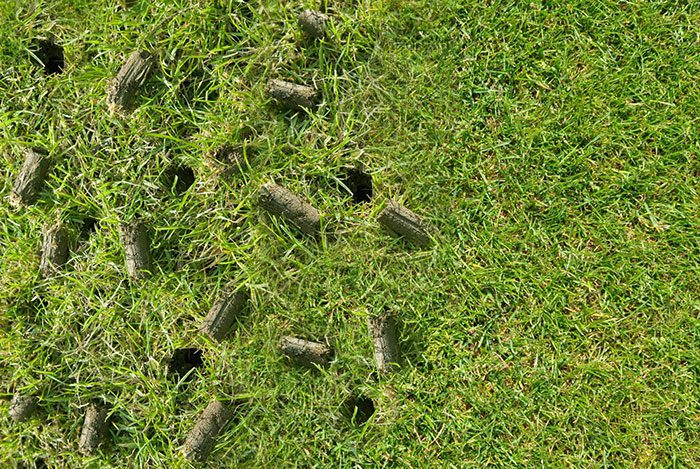
Lawn aeration is one of the most effective ways to relieve soil compaction. Aeration involves removing small plugs of soil from the lawn, allowing air, water, and nutrients to reach deeper into the ground.
These small openings also help water move through the soil instead of remaining on the surface.
Regular aeration can significantly improve lawn health while reducing drainage problems.
Install a Drainage System
In yards with persistent drainage problems, installing a drainage system may be necessary. Options such as French drains, dry wells, or underground drainage pipes can redirect excess water away from the lawn.
Landscape grading may also help guide water toward designated drainage areas.
Professional evaluation can help determine the best solution for your yard’s layout and soil conditions.
When to Consider Professional Help
Some drainage problems are simple to fix, while others require more advanced solutions. If your lawn consistently stays wet or drainage issues return after attempted fixes, professional help may be the best option.
Lawn care professionals can evaluate soil conditions, identify the cause of water buildup, and recommend effective improvements.
Get Help Improving Your Lawn’s Drainage
Drainage problems can lead to unhealthy grass, lawn diseases, and uneven growth if left untreated. Identifying the cause early makes it much easier to restore your lawn’s health.
If your yard struggles with standing water or soggy soil, LawnGuru can help connect you with experienced lawn care professionals who understand how to improve drainage and maintain a healthier lawn.
With the right solutions in place, your lawn can drain properly and stay green, strong, and easier to manage throughout the year.