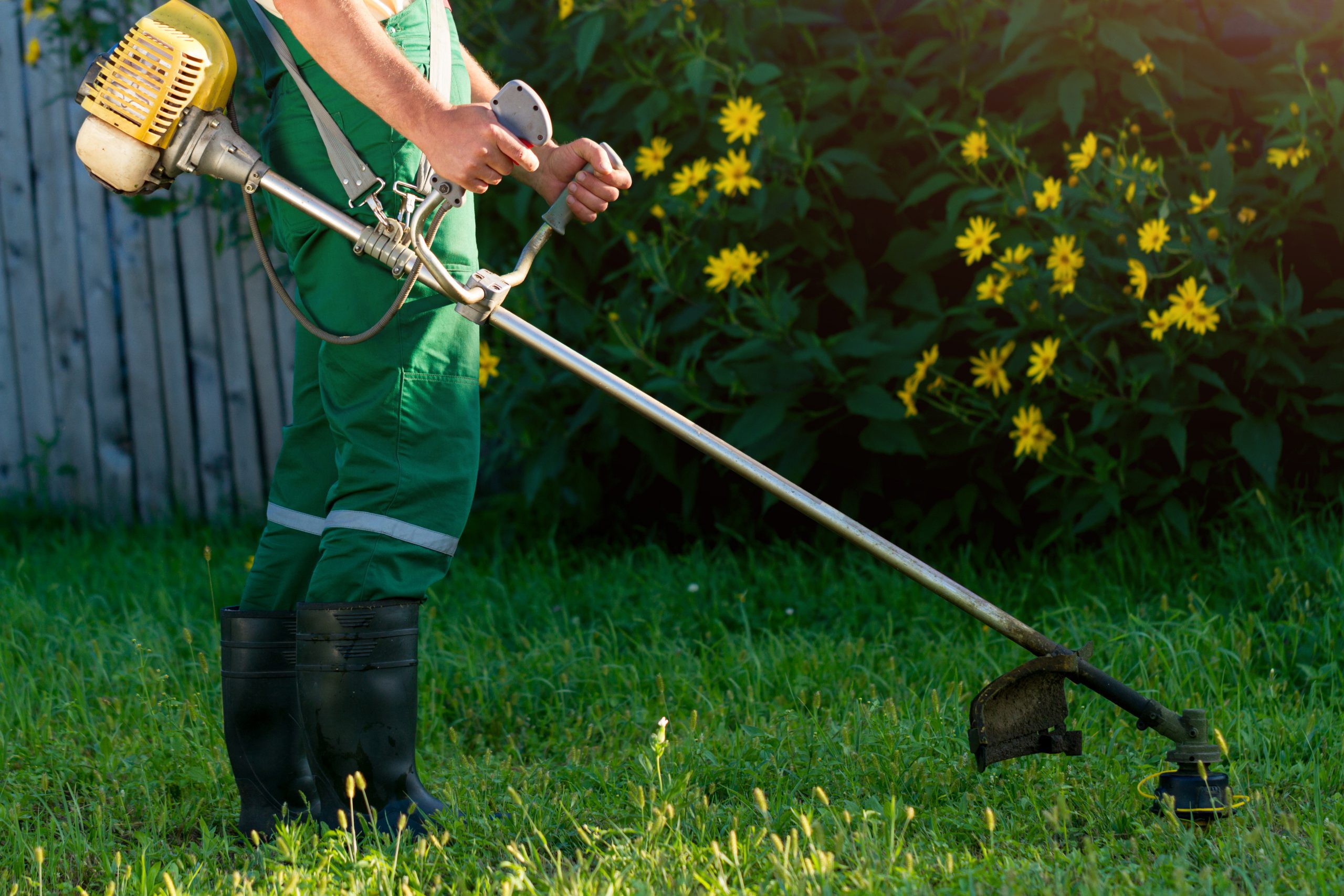
Quick Answer: Spring lawn care isn’t one weekend of work, it’s a sequence. Wait for the lawn to thaw and dry, then clean up debris, then start mowing once growth resumes. Hold off on fertilizer until mid-May and skip crabgrass preventer until soil temperatures hit the mid-50s to 60s, not the calendar date. Aerate in fall if you can only do it once. Three separate university extensions independently warn against doing all of this on the same day, and for good reason: early fertilizer stunts roots, and a too-early crabgrass application just wastes the product.
The first warm weekend in March does something to homeowners. Suddenly it’s fertilizer, crabgrass preventer, seed, and a first mow, all in one afternoon. University extension researchers in Illinois, Wisconsin, and Michigan have all pushed back on exactly this instinct, and independently landed on the same advice: spring lawn care is a sequence with real timing requirements, not a single to-do list you clear in a day. Get the order wrong and you can undo the good you’re trying to do, like fertilizer applied before roots are actively growing, which pushes leaf growth at the expense of the root system that gets your lawn through summer.
Wait for Your Lawn to Thaw and Dry Before You Start
The urge to get out there the moment snow disappears is strong, and it’s the first mistake. University of Wisconsin-Madison Extension’s Bruce Spangenberg puts it plainly: lawns need to thaw out and dry out, and it’s best to stay off them until that happens. Walking or working on saturated soil compacts it, undoing the loose, oxygen-rich structure your grass roots need.
This matters even more if you’re tempted to roll the lawn flat to deal with frost heaving or mole tunnels left over from winter. Michigan State University Extension’s Kevin Frank warns that rolling saturated soil can cause compaction and do more harm than the bumps you’re trying to fix. If the ground squishes underfoot, it’s not ready yet, for rolling or much else.
Wisconsin’s extension also flags a specific spring problem most checklists skip: vole damage. Voles tunnel under snow cover all winter, and when it melts you’ll see winding trails of matted, chewed grass across the lawn surface. It looks alarming but usually recovers on its own once you rake away the loose material and the lawn starts growing again.
Clean Up Debris Without Overworking the Lawn

Once things dry out, rake, but with a lighter touch than you might think. Frank’s guidance is specific: use a leaf rake, not a garden rake, and focus on the areas with the most visible damage rather than working over the entire lawn. Aggressive raking on grass that’s still recovering from winter can do more harm than the debris it’s removing.
Chicago Botanic Garden’s Tom Fritz, a specialist in the garden’s Plant Health Care Department, recommends a stiff metal rake worked in a few different directions to loosen matted clumps and any leftover salt or debris near walkways. Compost what you collect instead of bagging it for the curb. Either way, the goal here is airflow and light reaching the crown of the grass, not a pristine lawn on day one.
Mow Tall, and Mow as Soon as Growth Resumes
Once the grass is growing, mow it. Illinois Extension’s Chris Enroth is direct about this one: don’t wait for a “good” time, once it’s tall enough to cut, start mowing. Cool-season lawns hold up best at 2 to 3 inches, and turf-type tall fescue specifically does better mowed higher, around 3 to 4 inches. Enroth mows his own lawn as high as his mower deck allows, just under 4 inches.
The exact height and the one-third rule behind it get their own detailed breakdown in our guide on how short to cut your grass in spring, so we won’t repeat the full mechanics here. The short version for this stage: taller grass shades the soil, which helps your lawn outcompete the weeds you’re about to spend the rest of this guide trying to time around.
Don’t Fertilize the Day It Warms Up
This is where all three extensions agree most forcefully, and where most homeowners get it wrong. Enroth’s advice at Illinois Extension is blunt: skip early spring fertilizer entirely. Turf fertilizer applied too early promotes green, leafy growth at the expense of root development, which is the opposite of what a lawn needs heading into summer heat. He recommends waiting until mid-May, and reaching for a slow-release formula when you do.
Spangenberg’s guidance out of Wisconsin lands on the same point from a different angle: lawns don’t need fertilizer the moment they thaw, and it’s better to wait until grass has resumed active growth and you’ve started mowing again. Frank’s Michigan State piece adds the mechanical reason why: soil is still cold right after winter, and cold soil means roots aren’t actively taking up nutrients yet, so an early application is largely wasted on ground that can’t use it.
If you want the full timing breakdown by grass type and region, our guide to when to fertilize your lawn covers it in depth. The takeaway for spring specifically: skipping the early application saves you money on fertilizer the soil can’t use yet, and it protects the root growth your lawn will depend on once summer stress arrives.
Time Crabgrass Preventer to Soil Temperature, Not the Calendar
Crabgrass preventer is the other product homeowners tend to reach for too early or on a fixed date instead of watching actual conditions. The trigger is soil temperature, not the number on your calendar. Enroth cites 55 to 60°F for several consecutive days as the germination threshold, and notes that watching for forsythia bloom, the old-school indicator, has gotten less reliable as spring weather patterns shift year to year. Soil temperature is the thing that actually drives crabgrass germination; forsythia is just a rough proxy that sometimes lines up and sometimes doesn’t anymore.
Frank’s MSU piece gives the more precise number: 80% of crabgrass germination happens once the top 2 inches of soil consistently hits 60 to 70°F. Rather than guessing, MSU maintains a growing degree day model at GDDTracker.net where you enter your zip code and watch the crabgrass PRE indicator directly, an approach that’s a lot more precise than “apply around tax day.” If you’re already past the ideal window, Frank notes herbicides containing dithiopyr still work on crabgrass up to the two-leaf stage, so a slightly late application isn’t a lost cause.
For the full seasonal timing breakdown, including what changes if you missed the window entirely, see our guide to when to apply crabgrass preventer.
Aerate This Spring or Wait for Fall?
Aeration is worth doing, but spring isn’t necessarily the best time for it if you can only manage it once a year. Chicago Botanic Garden’s Tom Fritz calls core aeration one of the most important things you can do for lawn quality, since it relieves compaction, breaks up thatch, and opens the soil to air, water, and nutrients. Ideally it happens twice a year, spring and fall. But if you’re only doing it once, Fritz’s recommendation is early to mid-September, not spring.
That timing preference matters for sequencing: if you’re also mowing, delaying fertilizer, and watching soil temperature for crabgrass control, spring aeration is one more disruption to a lawn that’s already recovering from winter. For most lawns, penciling aeration into the fall calendar instead frees up spring for the tasks that genuinely can’t wait.
Overseeding in Spring Only Works on a Deadline

Bare or thin patches are tempting to reseed the moment the ground thaws, but spring overseeding only works if you can finish before the calendar runs out on you. Enroth’s rule of thumb: if you’re overseeding a cool-season lawn in spring, finish by mid-April so the new grass has time to establish real roots before summer heat arrives. Miss that window and you’re better off waiting for the better seeding window of mid-August through mid-September, when soil is warm and competition from weeds is lower.
Spangenberg’s Wisconsin guidance pushes the window even later for northern climates, late April or beyond, and flags the real risk directly: cool-season grass seedlings tolerate mild spring weather fine, but a hard freeze after germination can wipe out the work. Both extensions agree that a rushed spring seeding job, started too late to establish before heat sets in, usually costs you more than just waiting for late summer would have.
Our guide to overseeding in spring walks through the process in full if you’ve confirmed the timing works for your lawn.
A Spring Lawn Care Order of Operations (Checklist)
Putting the sequence above into a single list:
- Wait for the lawn to thaw and dry before walking on it or working the soil.
- Rake lightly with a leaf rake, focused on damaged spots, not the whole yard.
- Mow as soon as growth resumes, at 2 to 4 inches depending on your grass type.
- Hold off on fertilizer until mid-May, or until mowing has resumed and soil has warmed.
- Watch soil temperature, not the calendar, for crabgrass preventer timing, generally mid-50s to 60°F.
- Skip spring aeration if you can only do it once a year; save it for early fall instead.
- Overseed only if you can finish by mid-April; otherwise wait for late summer.
Warm-season lawns, Bermuda, zoysia, and similar grasses common in the South, run on a later clock than this one since they don’t green up until soil is consistently warmer. The sequence and logic above still apply, just shifted a few weeks later depending on your region. Our full spring lawn care guide breaks the soil-temperature triggers down by specific action if you want a more granular, week-by-week decision tool instead of this order-of-operations view.
Common Spring Lawn Care Mistakes
Doing everything in one weekend is the mistake underneath most of the others on this list. Fertilizer, crabgrass preventer, seed, and a hard first mow all at once might feel productive, but each one has its own timing requirement, and cramming them together usually means at least one is applied too early to do any good.
Rolling or heavily raking a lawn that’s still wet from snowmelt is a close second. It feels like you’re fixing lumps and bumps, but on saturated soil it just compacts the ground you’re trying to help. And mowing too short on that first cut, trying to make up for a shaggy winter lawn in one pass, removes more than a third of the blade and stresses a root system that’s barely woken up.
DIY or Hire a Pro for Spring Lawn Care?
A lawn with straightforward debris cleanup, a mower already tuned up, and no major bare patches is a realistic DIY spring. Where it gets harder is juggling the actual timing, tracking soil temperature for crabgrass control, holding off on fertilizer while everything around you is greening up, and deciding whether this is a seeding year or an aeration year, especially across a full season of shifting weather.
If you’d rather hand off the sequencing, LawnGuru connects you with local pros who handle spring yard cleanup and can build a season-long plan around your specific grass type and region instead of a one-size-fits-all calendar.
FAQ
When should I start spring lawn care?
Once your lawn has thawed and dried out enough that it doesn’t compact underfoot, typically as snow melts and soil starts to firm up. Start with light cleanup and hold off on fertilizer, seed, and crabgrass preventer until each one’s specific timing window arrives.
What’s the first thing you should do to your lawn in spring?
Rake lightly to remove matted grass, salt residue, and winter debris, focusing on the most damaged spots rather than the whole lawn. Skip the mower and any products until the grass is actually growing again.
Should I apply fertilizer and crabgrass preventer at the same time?
Not necessarily. Crabgrass preventer needs to go down based on soil temperature, often before your lawn is ready for its first fertilizer application. Combined weed-and-feed products sacrifice the ideal timing of one task to hit the other, which is why Illinois Extension recommends treating them separately.
Is it bad to walk on your lawn in early spring?
Yes, if the soil is still saturated from snowmelt. Walking or working on wet, thawing soil compacts it, which can undo the loose structure your grass roots need for the rest of the season. Wait until it firms up and dries before doing yard work on it.