Quick Answer: For a small, flat residential lawn, peat moss is usually the better pick: it holds more moisture, carries no weed seeds, and gives a cleaner finished look. For anything on a slope, a large area, or a budget-conscious job, straw wins: it’s cheaper, and it’s what university extension programs recommend and publish application rates for, particularly where erosion is a concern. Neither is strictly required over new seed, but skipping a cover extends your watering workload and puts seed at more risk from birds and wash-out.
Search this question and most answers land on a flat “peat moss is better” verdict, usually because peat moss doesn’t carry weed seeds and straw sometimes does. That’s true as far as it goes, but it skips the part that determines which one is right for your yard: how flat your lawn is, how big the area is, and what a real side-by-side test of the two showed.
What Each Material Does
Both straw and peat moss exist to solve the same problem: keeping the top layer of soil moist and undisturbed while grass seed germinates. Neither adds meaningful nutrients. Straw is dried cereal-crop stalks, usually wheat, oat, or rye, spread loosely over the seed bed to shade it and slow evaporation. Peat moss is partially decomposed sphagnum moss, sold compressed in bales, that holds many times its weight in water and releases it slowly back into the seed bed underneath.
Where Straw Wins
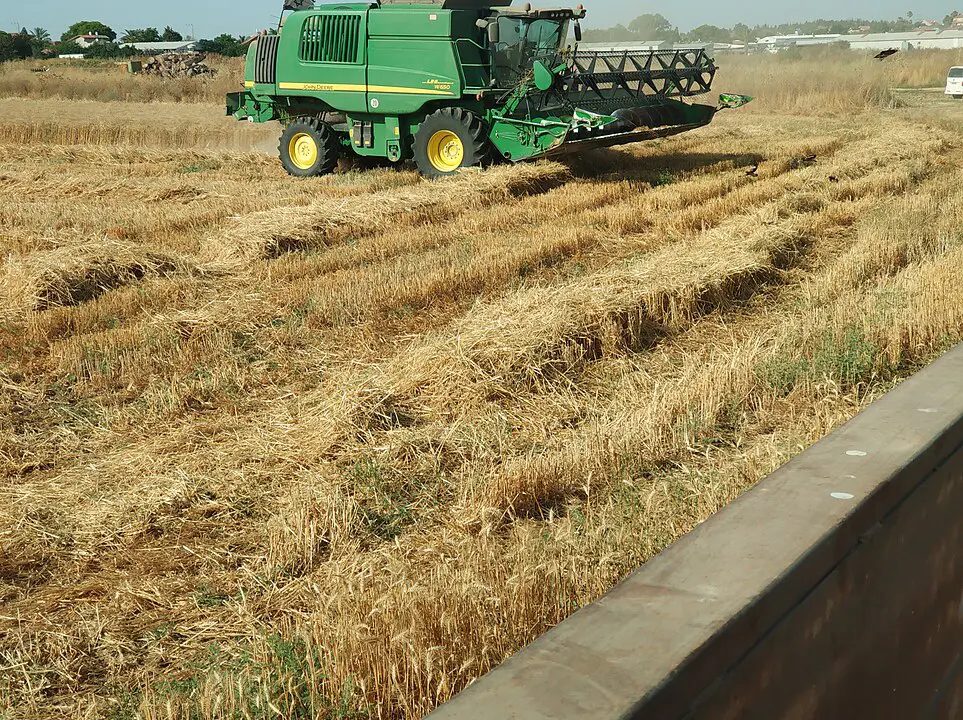
Cost is the most obvious advantage. A bale of straw covering 1,000 square feet runs a few dollars less than the peat moss needed for the same area, and the gap widens fast on anything bigger than a typical yard.
Straw also holds ground better on a slope. According to Rutgers Cooperative Extension’s lawn seeding guide, sloped and erosion-prone areas need heavier straw mulching than flat ground, and the fact sheet specifically recommends straw, not peat moss, for that job. Peat moss is lighter and more prone to floating or washing into low spots during a hard rain, while straw’s coarser fiber structure tends to stay put and slow water runoff across the surface.
It’s also the material extension programs publish specific rates for. Rutgers recommends 50 to 90 pounds, or 1 to 2 bales, of unrotted, weed-seed-free straw per 1,000 square feet, applied lightly enough that about a quarter of the soil is still visible underneath. Illinois Extension’s planting guide gives a simpler rule of about one bale per 1,000 square feet. Neither publishes an equivalent standard rate for peat moss as a seed cover, since most extension literature treats peat moss primarily as a soil amendment mixed into the bed before seeding, not as the topdressing material of choice.
Where Peat Moss Wins
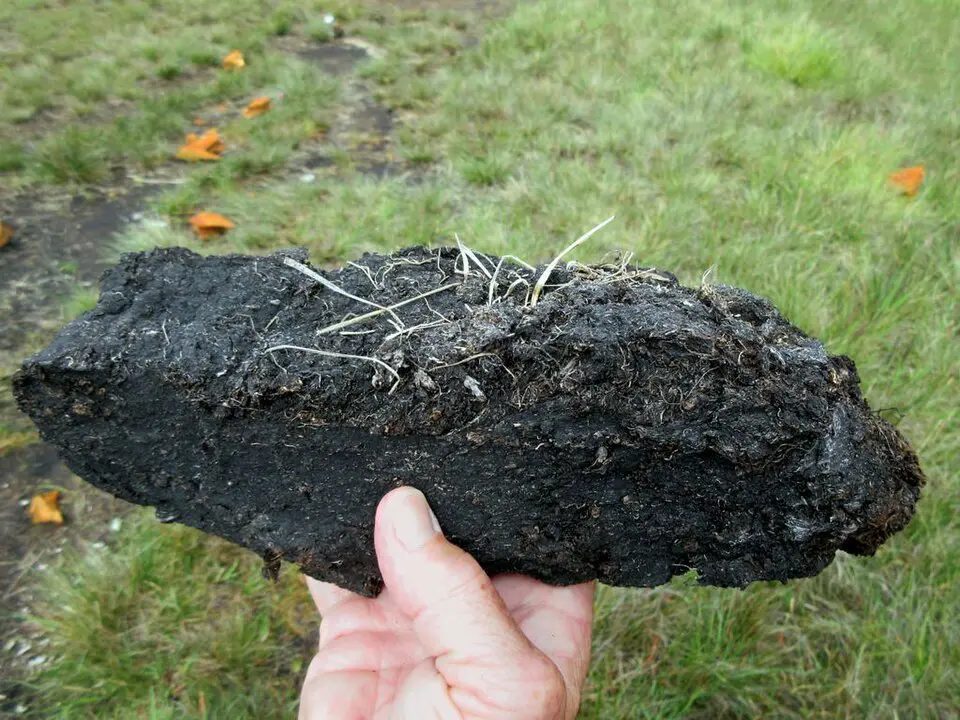
Weed contamination is straw’s real weakness. Cheap field straw is baled from whatever grew in that field, which sometimes includes the seed heads of the same crop or weeds that went to seed before harvest. A new lawn is the worst possible place to introduce a fresh batch of weed competition, and peat moss, being sterile and processed, carries none.
Peat moss also holds noticeably more water. It absorbs up to 20 times its own weight, well beyond what straw manages, which matters most in hot weather or for anyone who can’t water more than once a day. And it looks more finished once it’s down: a thin, even peat moss layer blends into the soil, where straw sits visibly on top until it’s raked off or breaks down.
The Real-World Test Most Guides Skip
Most pages comparing the two rely on manufacturer claims or a single opinion. A more useful data point comes from an actual side-by-side trial documented on The Lawn Forum, where one grower seeded comparable patches under peat moss, plain straw, and a processed straw product with a tackifier (marketed as an upgrade over loose straw). Peat moss came out ahead, plain straw was a close second, and the tackified processed straw performed worst of the three: its finer, denser texture matted down in spots and smothered the grass underneath rather than protecting it.
The lesson isn’t that processed straw products are always bad, they’re widely used successfully on slopes and larger commercial jobs specifically because the tackifier keeps them from blowing or washing away. The lesson is that “more engineered” doesn’t automatically mean “better protected,” and a thick, matted layer of any material, straw included, can smother seedlings just as effectively as it protects them from birds and wind.
How Much Straw or Peat Moss to Use
For straw, follow the Rutgers rate: 50 to 90 pounds per 1,000 square feet, light enough that roughly a quarter of the soil underneath stays visible. For peat moss, the working range is thinner, 1/8 to 1/4 inch deep, since it compacts less and holds water more efficiently pound for pound. In both cases, the failure mode is the same: too thick blocks light and air from reaching germinating seedlings, and too thin dries out before it does any good. Our full application walkthrough for peat moss covers the exact steps, tools, and watering schedule if that’s the material you land on.
Once grass reaches 2 to 3 inches of root development, Rutgers recommends partially removing straw mulch so it doesn’t smother the emerging turf. Peat moss doesn’t need removal, it breaks down slowly into the soil over time.
Do You Need to Use Both?
No, and using both is usually redundant rather than extra protection. A homeowner asking whether to put peat moss down before laying straw over it, a version of this question shows up regularly in lawn care forums, is generally overengineering the job. Pick one material based on your slope, budget, and how much you care about weed contamination, apply it at the right depth, and water it consistently. Layering both adds cost and a thicker combined barrier without a clear benefit over doing either one correctly on its own.
Straw or Peat Moss: Quick Decision Guide
| Your Situation | Better Choice |
|---|---|
| Small, flat lawn, want the cleanest result | Peat moss |
| Slope or erosion-prone area | Straw |
| Large area, tight budget | Straw |
| Soil already tests acidic (below 6.0) | Straw or compost |
| Concerned about introducing weed seeds | Peat moss |
| Want the extension-tested, standard approach | Straw |
FAQ
Is it better to use straw or peat moss for grass seed?
It depends on the site more than either material being universally better. Peat moss usually wins on a small, flat lawn where moisture retention and weed-free cleanliness matter most. Straw usually wins on slopes, larger areas, or tighter budgets, and it’s the material university extension guides publish specific application rates for.
Can you put too much straw on top of grass seed?
Yes. A layer thick enough to hide most of the soil underneath blocks light and can mat down into a barrier that smothers seedlings instead of protecting them, the same failure mode that made tackified processed straw perform worst in a real side-by-side seeding trial. Rutgers Extension recommends keeping straw light enough that about a quarter of the soil stays visible.
What can I use instead of straw to cover grass seed?
Peat moss is the most common alternative, along with compost and coconut coir. All three avoid the weed-seed risk that comes with lower-quality straw, though each has a different cost and moisture-retention profile.
What is the best straw to put over grass seed?
Certified weed-seed-free wheat, oat, or rye straw, sometimes labeled salt hay in coastal regions. Avoid straw with visible seed heads still attached, since that’s the source of the weed contamination straw is most often criticized for.
Do I need to remove straw or peat moss once the grass grows in?
Straw should be partially removed once seedlings develop 2 to 3 inches of root, so the layer doesn’t smother new growth. Peat moss can stay in place; it breaks down slowly and doesn’t need to be raked up.
If you’d rather not weigh bales against bags of peat moss yourself, LawnGuru’s seeding service connects you with a local pro who applies the right material at the right rate for your specific yard. For the decision on whether peat moss fits your seeding project at all, see our guide on whether to use peat moss for grass seed, and for germination timing once your seed is covered, our grass seed germination guide covers what happens next.