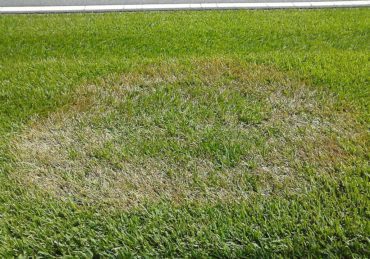
Watering might seem simple, but it plays a major role in how your lawn looks and performs. Too little water can leave grass dry and weak, while too much can lead to disease, shallow roots, and poor growth.
Finding the right balance depends on several factors, including your grass type, soil conditions, and local climate. Even your watering habits can make a difference in how well your lawn holds up over time.
A well-planned watering routine helps your lawn stay green, supports deeper roots, and allows other treatments like fertilization and aeration to work more effectively.
In this guide, we’ll break down how much water your lawn needs, when to water, and how to avoid common mistakes.
How Much Water Does Your Lawn Need?
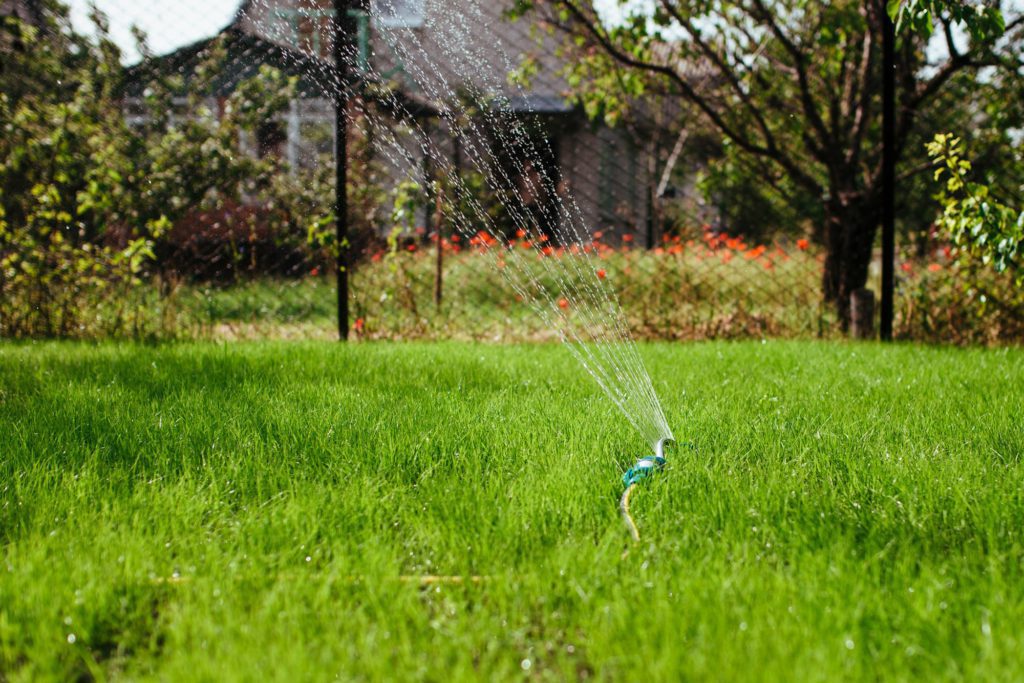
Most lawns require about 1 to 2 inches of water per week during the growing season. This includes both rainfall and irrigation.
However, the exact amount can vary depending on your lawn.
Warm-season grasses, such as Bermuda or Zoysia, are more tolerant of heat and dry conditions. These grasses typically perform well with consistent weekly watering in that 1 to 2 inch range.
Cool-season grasses, like Kentucky bluegrass or fescue, often need a bit more attention. Their root systems are usually shallower, so they can show signs of stress faster when water is limited.
Soil type also plays an important role:
- Sandy soil drains quickly, so it may require more frequent watering
- Clay soil holds moisture longer but can become waterlogged if overwatered
Your lawn will often show signs when something isn’t right:
- Grass may look dull or bluish if it needs water
- Footprints that stay visible can signal dehydration
- Soggy soil or fungal patches may point to overwatering
Watching these signs can help you adjust your watering routine.
The Best Time of Day to Water Grass
When you water your lawn matters just as much as how much you water.
The best time to water is early in the morning, typically between 5 a.m. and 10 a.m. During this time, temperatures are cooler and water has a chance to soak into the soil before the sun causes evaporation.
Watering at the wrong time can reduce effectiveness:
- Midday watering often leads to water loss from evaporation
- Evening watering can leave grass wet overnight, increasing the risk of disease
How often you water is also important. Frequent light watering encourages shallow roots, while deeper, less frequent watering promotes stronger root systems that can handle stress more effectively.
Watering Your Lawn Throughout the Year
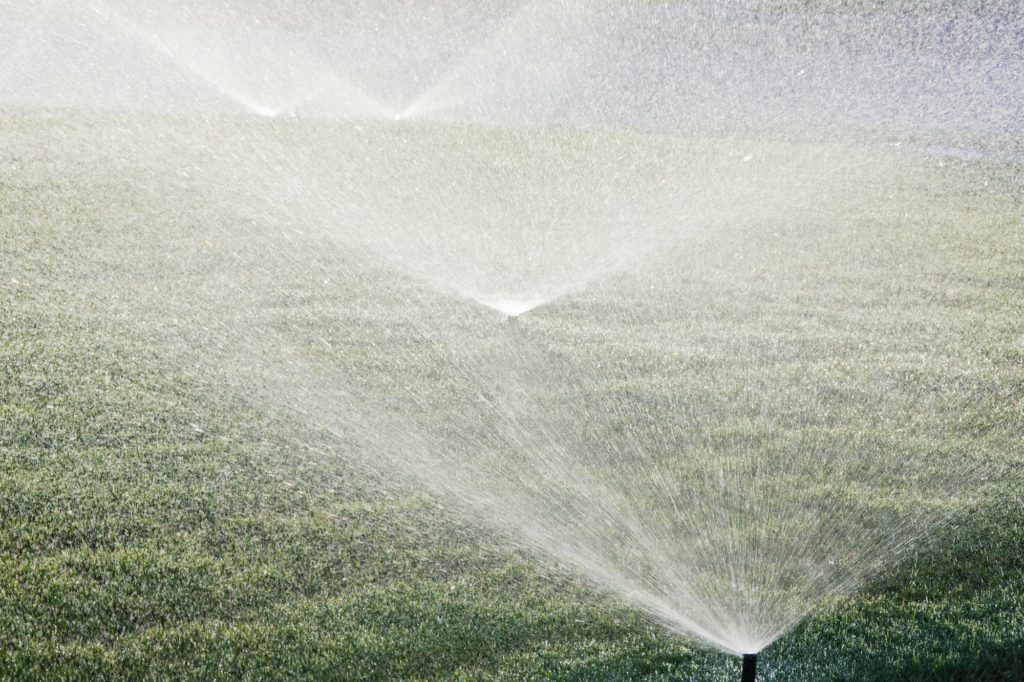
Your lawn’s watering needs will change with the seasons. Adjusting your routine throughout the year helps maintain consistent growth.
Spring
Spring often brings regular rainfall, so additional watering may not always be necessary. Monitor your lawn and only water if conditions become dry for several days.
Summer
Summer heat increases water demand. Lawns may need more consistent watering during this time, especially during long dry periods.
Watch for signs of stress such as curling blades or fading color, and water early in the morning to help your lawn recover.
Fall
Watering needs in fall are usually similar to spring. Cooler temperatures reduce stress on grass, but lawns still benefit from consistent moisture, especially if you are aerating or overseeding.
Winter
In colder regions, watering typically stops once the ground begins to freeze or temperatures drop significantly. In warmer climates, occasional watering may still be needed during dry periods.
Common Lawn Watering Mistakes
There is a lot of advice about lawn watering, and not all of it is accurate. Here are a few common misunderstandings.
Waiting until grass turns brown
By the time grass turns brown, it may already be stressed or dormant. It’s better to water when early signs of dryness appear.
Watering during the hottest part of the day
High temperatures cause water to evaporate quickly, making this an inefficient time to water.
Watering every day
Daily watering can lead to shallow roots and increased disease risk. Lawns generally do better with deeper watering spaced out over time.
Assuming footprints are normal
Healthy grass should bounce back quickly. If footprints linger, it may be a sign your lawn needs water.
Simple Tips for Better Lawn Watering
A few small adjustments can make watering more effective and easier to manage.
- Check soil moisture by pushing a screwdriver into the ground. If it’s difficult to push down, the soil may be too dry
- Use a container, like a small can, to measure how much water your lawn is receiving
- Water deeply enough to reach the root zone instead of just wetting the surface
Watering works best when combined with other lawn care practices such as mowing, fertilizing, and aeration.
Make Lawn Care Easier to Manage
Every lawn is different. Climate, soil type, grass variety, and usage all affect how much water your lawn needs.
Creating the right watering routine can take some trial and error, especially when conditions change throughout the year.
If you’d rather simplify the process, LawnGuru makes it easy to schedule lawn care services with trusted local providers. And with the Guru Guarantee, you can book with confidence, if something isn’t right, we’ll make it right.
A consistent watering plan, combined with proper lawn care, can help your grass stay strong, resilient, and ready for every season.