
A lot of tree pruning happens on a random Saturday when branches start looking shaggy or they’re rubbing the roofline. That “quick trim” timing is where people accidentally set trees back for an entire season.
When is the worst time to prune trees? In most yards, late summer through early fall is the worst time to prune trees because cuts push fresh growth when the tree should be slowing down for dormancy. That late push creates tender shoots that don’t harden off well, and it also leaves pruning wounds exposed during a season when healing slows down. For most shade and ornamental trees, late winter to very early spring is the safer window for structural pruning.
For detailed pruning calendars by region, see the University of Illinois Extension tree care guide.
Worst vs best pruning windows
| Time of Year | Risk Level | Why it’s risky or safe |
|---|---|---|
| Late summer to early fall | High | Triggers new growth at the wrong time and slows wound sealing |
| Mid-spring to early summer | Medium | Active growth means extra stress and heavier sap flow on some trees |
| Late winter to very early spring | Low | Dormant wood handles pruning with fewer stress signals |
| Late fall (after leaf drop) | Medium | Healing slows, and some species handle this poorly |
We’re assuming you’re pruning common landscape trees in a typical home yard using hand pruners, loppers, or a pruning saw. This advice focuses on healthy long-term structure, storm resistance, and clean healing, not aggressive reshaping. Emergency cuts for safety apply any time of year.
Why late summer and early fall is the worst time to prune trees
A lot of homeowners prune in late summer because it feels like the yard is “done growing.” In reality, many trees are still active and still managing energy for the upcoming dormant season.
Pruning in late summer and early fall sends the tree a signal to replace lost canopy. That response often shows up as new shoots near cut points, and those shoots are soft and easy to damage once temperatures drop. The other issue is healing speed: as days shorten, trees generally slow the processes that close wounds, so the cut stays exposed longer.
If you care about cleaner cuts, that means a cut that stays smooth, doesn’t tear bark, and forms a visible callus ring around the wound within the next growing season. If you care about faster recovery, that means fewer dead twigs near the cut line and normal leaf-out the following spring.
Safety check: If a limb is cracked, hanging, or threatening a walkway, remove it right away. Safety pruning beats seasonal timing every time.
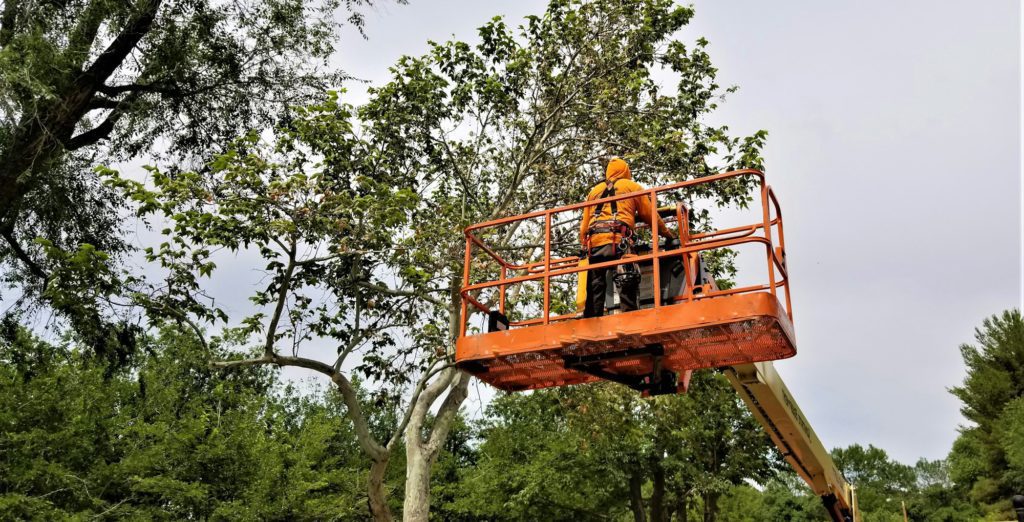
When is the worst time to prune trees based on tree type (the ones that punish bad timing)
People usually assume all trees follow the same calendar. They don’t. Some trees react sharply to the wrong timing because of sap flow, pest pressure, or disease exposure.
Maples and birches: messy sap flow and slower recovery
Homeowners notice sap “bleeding” after a cut and worry something is wrong. On species like maples and birches, pruning during heavy sap flow leads to lots of dripping and extra stress.
This doesn’t always kill the tree, but it wastes energy and makes the work feel sloppy. If your goal is less mess, a cleaner cut here means less sap run-out and fewer sticky drops on patios, cars, or walkways.
Oaks and elms: high-stakes disease timing
Oaks and elms are the trees we treat with more caution. For oaks, pruning during the wrong season increases risk in areas where oak wilt is present. For elms, wrong timing can line up with insect activity that spreads disease.
Learn more about oak wilt transmission timing from the USDA Forest Service.
If you have an oak or elm and you’re not sure what’s safe, wait for late winter pruning unless a branch needs removal for safety. That delay is usually the most practical choice.
Flowering ornamentals: pruning at the wrong time ruins blooms
A lot of flowering trees set buds long before you see flowers. If you prune them at the wrong time, the tree still stays alive, but you lose a full season of blooms.
For many spring bloomers, pruning right after flowering protects next year’s buds. If flowers matter more than perfect shape, follow the bloom cycle instead of the general pruning calendar.
What goes wrong when you prune trees at the wrong time (the damage is not always immediate)
It’s frustrating when you prune and everything looks fine for weeks. Then problems show up later and it’s hard to connect them to the timing.
Late summer and early fall pruning often leads to:
- Dieback near the cut line after the first cold stretch
- Thin, weak shoots that snap in wind or ice
- Slower sealing of pruning wounds
- Patchy leaf-out the next spring on stressed branches
When pruning goes well, the “better” outcome is measurable. You’ll see fewer dead twig tips near cut points, fewer bark cracks around the wound, and a smoother branch collar response during the next growing season.
When to prune and when to wait
Most people don’t want a complicated pruning calendar. They want to know if today is a good day to cut or a day to back off.
Use these rules as your decision spine.
If-when rules (with one clear stop rule)
- If it’s late summer (August) or early fall (September), then wait for dormant-season pruning unless a branch is unsafe.
- If nighttime temps start dropping consistently and leaves look tired, then skip pruning that removes live wood.
- If the tree is already stressed from drought, then delay pruning that removes large live branches until conditions improve.
- If you’re pruning a spring-blooming ornamental, then prune right after flowering instead of late summer cleanup.
- If the branch is dead, broken, or rubbing hard enough to strip bark, then remove it now using correct cuts.
- If you’re unsure what species it is, then treat it like a sensitive tree and wait until late winter.
- If you see active pests, oozing wounds, or fresh cankers, then stop and reassess before making more cuts.
Stop rule: If you planned a “light prune” and you realize you’re removing live branches to reshape the canopy, stop for the season once you hit late summer. Wait for dormancy so you don’t trigger late growth and stress.
Cuts that heal cleaner (branch collar basics that prevent bark tears)
Most homeowners don’t struggle with trimming small twigs. The trouble starts when a branch is thicker than a thumb and the cut placement matters.
A cleaner prune cut means:
- The bark stays intact with no tearing
- The cut is just outside the branch collar (the swollen ring where the branch meets the trunk)
- The surface is smooth, not crushed or jagged
Avoid flush cuts where the branch is shaved tight to the trunk. That removes protective tissue and slows sealing. Also avoid leaving a long stub because stubs die back and invite decay into the branch base.
If your goal is faster cleanup, faster means fewer redo cuts and fewer torn strips of bark that need extra trimming. You’ll spend less time on the ladder and less time raking snapped twigs later.
The pruning tools that reduce damage (and what “faster” means in real yard time)
Most pruning problems come from dull tools. A dull blade forces pressure, crushes wood fibers, and increases the chance of tearing bark.
For most yards, these tools cover nearly everything:
- Hand pruners for small twigs
- Loppers for medium branches
- A pruning saw for thicker limbs
A faster pruning session means you finish with fewer than two re-cuts per branch. It also means you don’t have to fight the wood to get through it. When tools are sharp, cuts take seconds instead of struggling through each limb.
If you don’t want to deal with tool shopping, timing decisions, and ladder work, we can help through LawnGuru as a practical option for busy homeowners who want clean results without guessing.
Exceptions and failure conditions that change the “best time to prune” rule
Homeowners hear “prune in late winter” and treat it like a law. It’s a strong default, but real yards have exceptions.
Exception 1: storm damage and unsafe limbs
If a limb is split, hanging, or threatening a driveway, prune it immediately. Safety work stays valid year-round. Make the cut clean and stable, then handle shaping later.
Exception 2: deadwood removal any time of year
Dead branches don’t rebound and don’t need timing windows. Removing deadwood reduces fall hazards and keeps rot from spreading deeper into the branch junction.
Exception 3: disease or pest activity at the cut site
If you see oozing sap, active boring holes, or fast-spreading cankers, pause aggressive pruning. Removal may still be needed, but it should be selective, and tools should be cleaned between cuts to avoid spreading problems.
Exception 4: drought stress or heat stress
If your tree looks wilted, sparse, or prematurely dropping leaves, skip major pruning. Live wood removal stacks stress on top of stress, and recovery slows down.
Exception 5: spring-blooming ornamentals
If flowers matter, prune right after blooming so you don’t remove next season’s buds. You’ll keep the bloom cycle intact and avoid wasting a year of color.
Exception 6: recently planted or newly transplanted trees
New trees need time to establish roots. Structural pruning should stay minimal at first, focusing on broken branches and obvious problems only.
Exception 7: heavy pruning or canopy thinning
If the plan removes a large amount of live canopy, timing matters more. Heavy cuts in late summer or early fall often lead to weak regrowth and dieback in sensitive spots.
A simple verification method to confirm your pruning timing is working (with a switch rule)
You don’t need lab tests to know if your pruning schedule is helping. You can verify outcomes on your own property.
What to measure (two easy checks)
Check 1: Photo check
- Take a before photo of the cut area right after pruning.
- Take an after photo in spring when leaves return.
- A good outcome looks like normal leaf-out near the cut and no widening crack around the wound.
Check 2: Callus ring progress
- Look for a forming callus ring around the cut edge during the next growing season.
- A healthier outcome shows visible sealing progress instead of a dry, dead-looking cut edge.
Switch rule if results look wrong
If you see dieback extending past the cut line, or the cut edge stays dry and brittle with no sealing progress by mid-season, switch to dormant-season pruning for live wood cuts. For the next round, reduce branch size per cut and avoid removing large live limbs unless necessary.
FAQ
Is late summer always the answer to “when is the worst time to prune trees”?
Late summer through early fall is the worst pruning window for many common landscape trees. It pushes fresh growth at the wrong time and keeps wounds open longer as healing slows. Safety cuts stay valid year-round.
Can you prune trees in the fall after leaves drop?
Some trees tolerate late fall pruning, but risk stays higher than late winter pruning. Healing is slower, and some species handle late-season cuts poorly. If you want the safest general rule, wait for late winter.
When is the best time to prune trees for healthy growth?
Late winter to very early spring is the best time for most trees. The tree is dormant, the structure is easier to see, and cuts usually seal more consistently once spring growth starts.
Should you seal or paint tree pruning cuts?
Most pruning cuts should stay unsealed. A clean cut in the right place is the main priority. If you’re managing a specific disease situation, follow local professional guidance for that tree type.
Get clean pruning results without stressing your trees
If you remember one thing, remember this: late summer to early fall is the worst time to prune trees for most homeowners doing routine trimming. Waiting for dormancy keeps the tree’s growth cycle stable and helps wounds seal with fewer setbacks. If pruning is getting risky, time-consuming, or hard to judge, booking a pro is a straightforward way to protect the tree and your weekend.