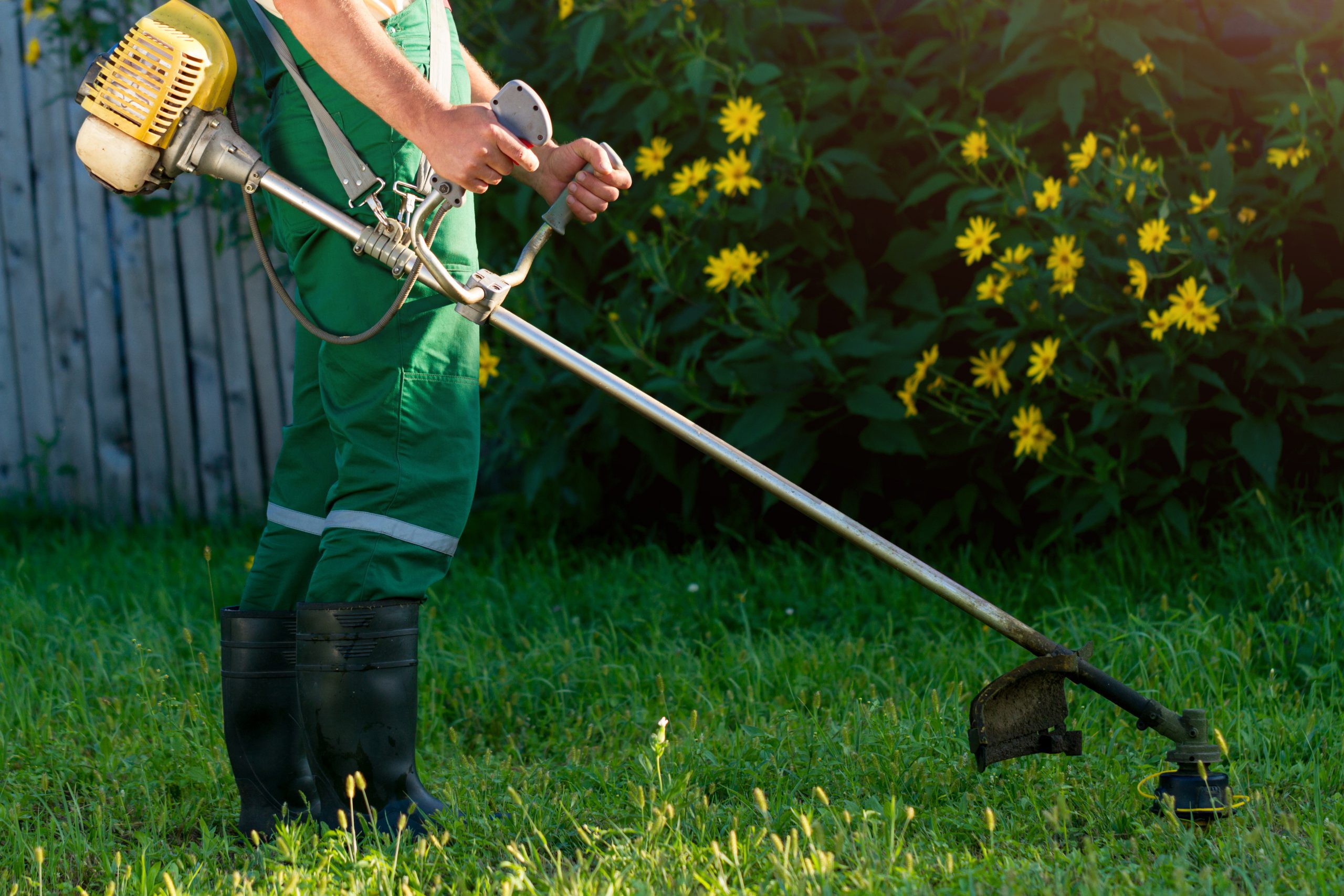
Quick Answer: Mow when the new grass reaches 3 to 4 inches tall, not on a fixed calendar date. That height typically shows up in about 2 weeks for fast-germinating seed like perennial ryegrass, 2 to 3 weeks for fescue, 3 to 4 weeks for Kentucky bluegrass, and 4 to 6 weeks for warm-season grasses like Bermuda. Never mow before day 10 regardless of how tall it looks, and use the one-third rule on that first cut just like any other mow.
The honest answer to “how long after overseeding can I mow” depends more on which seed you put down than on how many days have passed. A lawn overseeded with perennial ryegrass and one overseeded with Kentucky bluegrass on the same day won’t be ready on the same day, sometimes not even the same month. Height is the real signal. The week count is just a rough guide for when to start checking.
Why Height Matters More Than the Calendar

New grass seedlings anchor themselves gradually. At first, a light tug pulls the whole seedling, roots and all, right out of the soil. Once the root system has developed enough to resist that tug, the seedling can handle the mower’s weight and the disturbance of cutting.
That anchoring point roughly lines up with a 3 to 4 inch blade height for most cool-season lawn grasses, which is why height, not days on a calendar, is the number that actually matters. Two lawns seeded the same week can hit that height a week or more apart depending on soil temperature, moisture, sunlight, and which species was used.
How Long That Takes, By Grass Type
Germination speed varies enough between species that a single universal timeline doesn’t hold up. As a rough planning guide:
Perennial ryegrass germinates fastest and is often ready for its first mow in about 2 weeks. Tall fescue and fine fescue usually follow at 2 to 3 weeks. Kentucky bluegrass is the slow one among cool-season grasses, frequently taking 3 to 4 weeks before it’s ready. Warm-season grasses like Bermuda can run 4 to 6 weeks, especially if soil temperatures aren’t consistently warm yet.
These are planning estimates, not promises. Weather is the other major variable: warm soil and steady moisture speed everything up, while a cold snap or dry stretch can stall germination for a week or more past what the timeline suggests.
The Tug Test: Checking Without Guessing
Height alone can be misleading if you’re eyeballing it against the surrounding established lawn instead of the new seedlings specifically. A quick physical check settles it. Pick a few new seedlings and gently pull upward. If they resist and stay rooted, the lawn is ready for its first mow. If they pull free easily, the roots need more time regardless of how tall the blades look.
Do this check in a few different spots, since germination and root development aren’t always perfectly even across a whole overseeded lawn. If you’re overseeding in fall rather than spring, our guide to fall overseeding timing covers how cooler soil temperatures shift these germination windows later than the spring estimates above.
The 10-Day Floor
Even on seed that’s germinating unusually fast, don’t mow before 10 days have passed. Early root systems need that minimum window to develop enough anchoring strength, and a mower pass before then risks uprooting seedlings that would otherwise have made it, no matter how the tug test or height check comes out.
How to Handle the First Mow

Once the height and tug test both check out, the first mow itself needs a bit more care than a routine cut.
Mow when the grass is dry. Wet seedlings clump under the mower and tear rather than cut cleanly, which stresses roots that are still establishing. Sharpen the blade beforehand too, since a dull blade rips at soft new growth instead of slicing through it.
Set the deck high and follow the one-third rule, the same guidance that applies to established turf: never remove more than a third of the blade height in a single pass. University of Minnesota Extension’s mowing guidance backs this as standard practice for any lawn, not just newly seeded ones, since cutting more than that in one pass stresses the plant regardless of its age. If the new growth has gotten ahead of you, our guide to how often you should mow covers how to catch up gradually instead of scalping it back in one pass.
A lighter mower helps too, if you have the option. Riding mowers compact soil more than push mowers, and compacted soil around fragile new roots slows the establishment you just spent weeks waiting on.
Hold Off on Herbicide Longer Than You’d Think
This is the part most guides skip. Even after the lawn is safely past its first mow, Michigan State University Extension advises waiting for three actual mowings, cutting real grass growth, not just knocking down weed tops, before applying any herbicide to a newly overseeded area. Young seedlings tolerate herbicide poorly, and MSU Extension notes the guideline sometimes extends to a full 60 days depending on the product. If weeds show up in that window, pulling them by hand is the safer call than reaching for a spray.
What Happens If You Mow Too Early
Mowing before the roots have anchored does real, visible damage. The mower can pull seedlings straight out of the soil, leaving the same bare patches overseeding was supposed to fix. Grass that survives the pass but gets cut too short develops a shallower root system, which shows up later as a lawn that’s more vulnerable to drought and foot traffic than it would have been with a properly timed first mow.
None of this is permanent if it happens, but it usually means reseeding the damaged patches and starting the waiting period over in those spots, which costs more time overall than waiting the extra few days would have.
After the First Mow
Keep up the watering schedule that got the seed established in the first place, don’t cut it off just because mowing has started. Hold off on fertilizer for a few more weeks unless a starter fertilizer was already applied at seeding, and keep heavy foot traffic off the area while the lawn finishes filling in. Our full overseeding guide covers the seeding-to-established timeline from start to finish if this is your first time doing the whole process.
FAQ
Can I mow 10 days after overseeding?
Only if the new grass has also reached 3 to 4 inches and passes the tug test. Ten days is the earliest floor, not a target, and fast-growing seed like ryegrass can sometimes hit that mark by day 10, but slower species like Kentucky bluegrass usually won’t be close yet.
Should I bag or mulch the clippings on the first mow?
Bagging is the safer default for the first cut, since a heavy layer of clippings can smother thin new growth that hasn’t filled in yet. Our guide to bagging versus mulching covers when mulching becomes fine again once the lawn is more established.
What if only part of my lawn is ready to mow?
Mow the established sections on their normal schedule and skip the newly seeded patches until they pass the height and tug test. Uneven germination across an overseeded lawn is normal, especially if the shade, sun, or soil moisture varies across the yard.
Does mowing new grass help it thicken up?
Yes, once it’s actually ready. Regular mowing after that first cut encourages grass to spread laterally instead of just growing upward, which is part of what makes an overseeded lawn fill in thicker than it would if left uncut.
If timing the first mow around your specific seed blend and weather feels like more to track than you want to manage, LawnGuru connects you with a local seeding pro who can handle the overseeding itself and flag exactly when your lawn is ready for that first cut.