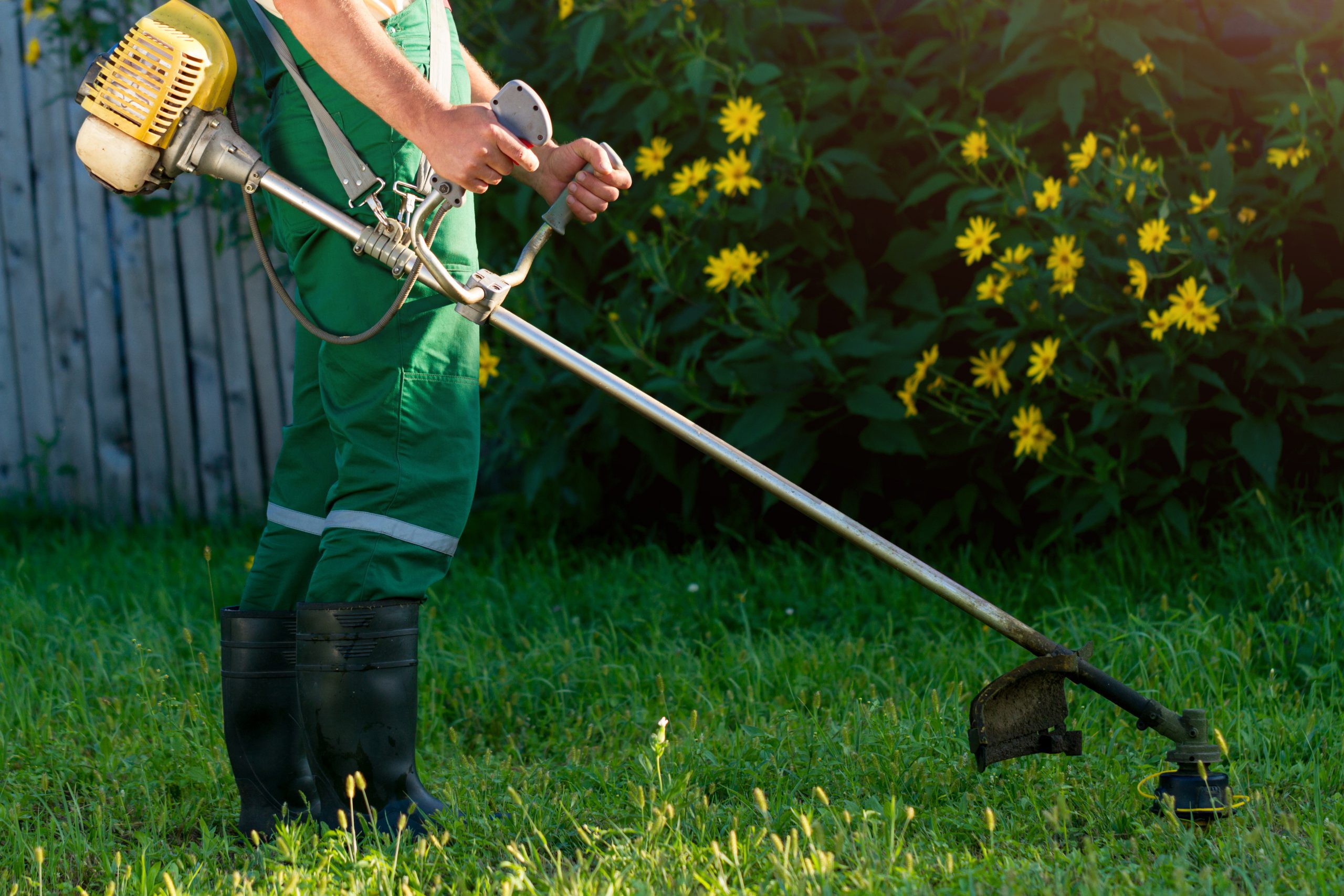
Quick Answer: More than one in four adults 65 and older falls each year, and CDC data ties much of that risk to hazards around the home, which makes a consistently maintained yard a safety matter, not just a curb-appeal one. LawnGuru books one-time or recurring mowing with no contract, real-time tracking of when the provider is arriving, and an easy skip-or-pause feature for weeks when service isn’t needed. The same account can manage a parent’s property from a different address, which makes it a practical option for adult children coordinating yard care for a relative who lives elsewhere. Free volunteer and government assistance programs exist for those who qualify, though availability depends on location and isn’t guaranteed.
Most guides to lawn care for seniors lean on the same unsupported line: a tidy yard “prevents falls” and “boosts independence.” CDC’s own data backs that argument up with real numbers, which makes it worth using instead of a vague claim. It also points to the actual gap in most seniors’ yard care: not knowing what to do, but getting it done consistently without relying on someone else’s schedule.
Why Consistent Lawn Care Is a Safety Question, Not Just a Curb-Appeal One
CDC data on older adult falls puts a real number behind the safety argument: more than one in four adults 65 and older falls every year, and falling once roughly doubles the odds of falling again. About 4.5 million emergency department visits a year are tied to older-adult falls, and falls are the leading cause of traumatic brain injury in this age group. CDC’s list of modifiable risk factors includes home hazards like broken or uneven steps and clutter that can be tripped over. Those specific examples are indoor ones, but the same logic extends to a yard: overgrown grass hides uneven ground and debris the same way clutter hides a hazard indoors.
The practical issue isn’t knowing this. It’s that mowing and yard upkeep are physically demanding tasks that often get skipped exactly when someone’s mobility makes them the biggest fall risk, and a yard that only gets attention sporadically is the one where hazards build up.
How LawnGuru Works for Seniors and the Family Helping Out
A consistent schedule solves the safety problem better than an occasional favor from a neighbor or a volunteer visit that may or may not happen this month. LawnGuru books local pros for one-time cuts or recurring mowing, whichever fits the situation better. There’s no contract and no invoice to manage, and a recurring plan can be skipped or paused with a few taps whenever it isn’t needed, without a cancellation call.
For someone who wants to know exactly when to expect a provider rather than waiting around, the app tracks the provider’s location and estimated arrival, and messages or special instructions can go straight through the app instead of a phone call. Each visit comes with a picture receipt, which gives a straightforward way to confirm the work got done without having to go outside and check.
The feature that matters most for a lot of families: a LawnGuru account can manage service at more than one property, so an adult child living across town or across the country can set up and pay for a parent’s mowing without the parent needing to book or pay for anything themselves. Checking a photo receipt after each visit is a simple way to stay on top of it remotely.
What a Visit Covers
A standard mowing visit includes cutting the lawn, string trimming, and clearing grass clippings off driveways and walkways, the same walkway edges CDC flags as a fall-hazard zone when they’re left uneven or covered in clippings and debris. Recurring service adds edge maintenance along driveways and sidewalks and keeps the same provider on the account visit to visit, so there’s continuity in how the property gets handled rather than a different person each time. Beyond mowing, LawnGuru also connects homeowners with pros for yard cleanup, hedge trimming, and gutter cleaning, the kind of seasonal tasks that pile up fast once regular upkeep stops.
Free and Assistance-Based Options for Those Who Qualify
Paying for a reliable schedule isn’t the only path, and it’s worth knowing what else exists for households where cost is the main barrier.
I Want To Mow Your Lawn, a 501(c)(3) nonprofit, connects people who need yard help with local volunteers who bring their own equipment. By its own current numbers, it has more than 2,000 active volunteers and has logged over 3,000 visits across all 50 states, though it’s direct about what it can’t promise: no guaranteed response time, no guaranteed recurring visits, and no coverage in every area, since it all depends on who’s volunteering nearby. Raising Men & Women Lawn Care Service runs a similar program where kids ages 8 to 17 mow free lawns for elderly and disabled homeowners.
On the government side, USDA’s Section 504 program offers grants up to $10,000 to homeowners 62 and older to remove health and safety hazards from a home, but only for homes in an eligible rural area and only for households under the “very low” income limit for their county. Some cities and townships also run their own senior lawn programs. Jefferson Township, Ohio, for example, charges $50 per service for residents 65 and older who receive a homestead exemption. None of these are searchable in one place, so a local Area Agency on Aging is usually the fastest way to find out what’s active nearby.
Low-Maintenance Landscaping to Cut Down on Future Yard Work
Oklahoma State University Extension points out that the usual mix of bending, kneeling, and reaching in yard work is what pushes a lot of older adults to scale back on gardening they’d otherwise enjoy. Raised beds cut down on that bending since the growing surface sits higher off the ground, and perennials or native plants need less repeat upkeep than annuals since they come back on their own each year. For anyone using a walker, cane, or wheelchair, OSU Extension also recommends wide, level pathways through the yard, since narrow or uneven ones create the same kind of fall risk as an overgrown lawn.
The same principle scales up to the lawn itself. Replacing a section of high-maintenance turf with mulch, drought-tolerant grass, or a groundcover like clover shrinks the area that needs regular mowing and edging in the first place, which cuts down on both physical demand and ongoing cost.
FAQ
Does LawnGuru require a contract for senior lawn care?
No. Service is one-time or recurring, and a recurring plan can be skipped or paused at any point without a cancellation call.
Can I set up LawnGuru service for a parent who lives in a different city?
Yes. An account can manage more than one property, so an adult child can book and pay for a parent’s mowing remotely and check the picture receipt after each visit to confirm the work is done.
What if I only need occasional yard cleanup instead of weekly mowing?
One-time service covers that. Recurring weekly, biweekly, or monthly plans exist for households that want ongoing coverage, but neither is required to use the other.
Are there free lawn care options for seniors who don’t want to pay for service?
Nonprofits like I Want To Mow Your Lawn provide free mowing through local volunteers, though coverage depends on volunteer availability in the area rather than being guaranteed. A local Area Agency on Aging can point to what’s currently active nearby, including smaller municipal programs.