By the time your rake leans against the garage wall and the morning air bites a little sharper, your lawn is already reacting to the season shift. Whether your mower’s parked for good or you’re squeezing in one last leaf cleanup, this is the window to prep your grass for winter, not just to survive, but to come back stronger in spring.
This guide walks you through how to winterize your lawn, how to winterize your lawn grass, and how to winterize your riding lawn mower, based on what really works before cold sets in.
Know What You’re Working With: Grass Type Drives Everything
Most homeowners don’t think twice about what’s underfoot. But knowing your grass type changes the entire winterization plan.
Cool-Season vs. Warm-Season Grasses
Cool-season grasses like fescue, ryegrass, and Kentucky bluegrass stay active well into fall. They’re still pulling in nutrients and storing energy long after warm-season lawns have slowed. On the other hand, Bermuda, zoysia, and St. Augustine check out early. As soon as soil temps dip, they stop growing and start shutting down.
If you’re north of the Mason-Dixon line, your lawn probably thrives with cool-season varieties. These need fertilizing and aerating into late October or early November. Down South, where warm-season grasses dominate, fall prep should wrap up earlier, usually by mid-October at the latest.
Note: Winterizing too early can do more harm than good. Always wait until top growth slows but before dormancy kicks in.
Final Cut: Get the Mower Height Right Before the Ground Freezes
It’s tempting to park the mower after the first frost, but your last mow plays a bigger role than most folks realize.
When to Mow the Last Time
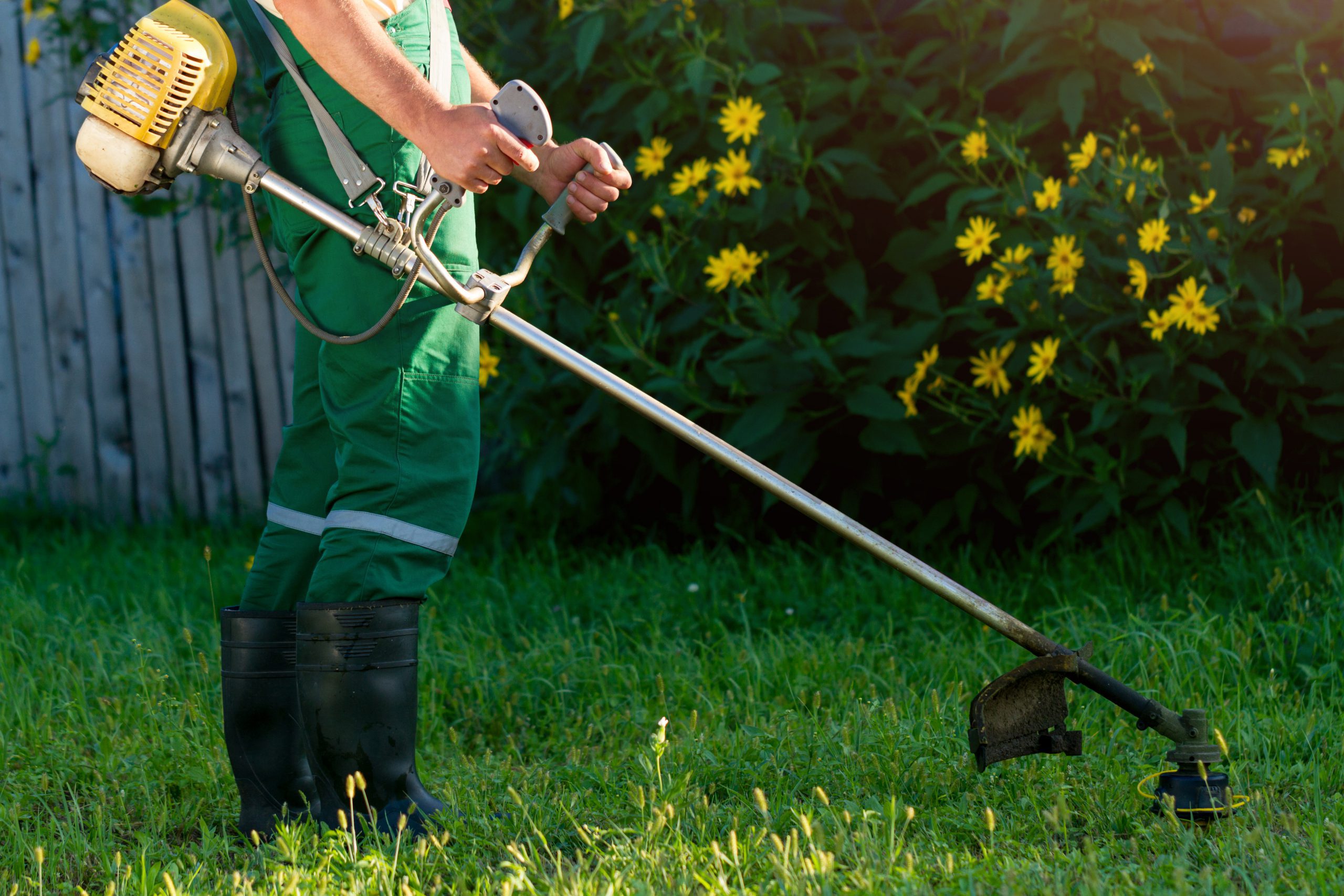
Your final mow should happen when daytime temps settle into the low 50s and grass blades stop gaining height. You’re not cutting for looks here, you’re setting the lawn up to handle snow and ice. In cooler climates, this usually means late October. Southern lawns may stop growing a few weeks earlier.
If you wait too long, tall grass bends, mats down, and traps moisture, perfect conditions for mold and decay under snow cover.
What Height Is Best for Winter?
Cool-season lawns should be trimmed down to 2 to 2.5 inches. That’s short enough to reduce matting but long enough to protect the crown. Warm-season grasses can stay slightly taller, around 2.5 to 3 inches. That extra blade length helps insulate the roots.
Warning: Don’t scalp the lawn. Cutting too short stresses the plant and makes it vulnerable to frostbite and disease.
Fertilize With Purpose: Fall Feeding Sets the Tone for Spring
Homeowners often grab whatever’s on sale at the store, but fall fertilizer isn’t about growth, it’s about storage and stamina.
Choose the Right Blend
Skip high-nitrogen mixes that push blade growth. You want a formula like 20-0-10 or 24-0-5, low nitrogen, plenty of potassium. This combo fuels root development and helps the lawn resist cold, drought, and disease. Organic granular fertilizers or compost-based options also work well, especially in areas with sandy or nutrient-depleted soil.
Apply at the Right Time
Spread fertilizer after your final mow, while the grass is still green and active but no longer growing tall. Ideally, this is when soil temperatures hover around 50°F. Use a rotary spreader for even coverage, and give the lawn a light watering to activate the nutrients.
Pro Tip: Don’t fertilize before you mow, always fertilize right after the final cut so nutrients reach the root zone quickly.
Leaves and Thatch Don’t Belong in Winter
That satisfying crunch of leaves underfoot loses its charm when it turns into a wet, moldy mat on your lawn.
Why Cleanup Can’t Wait
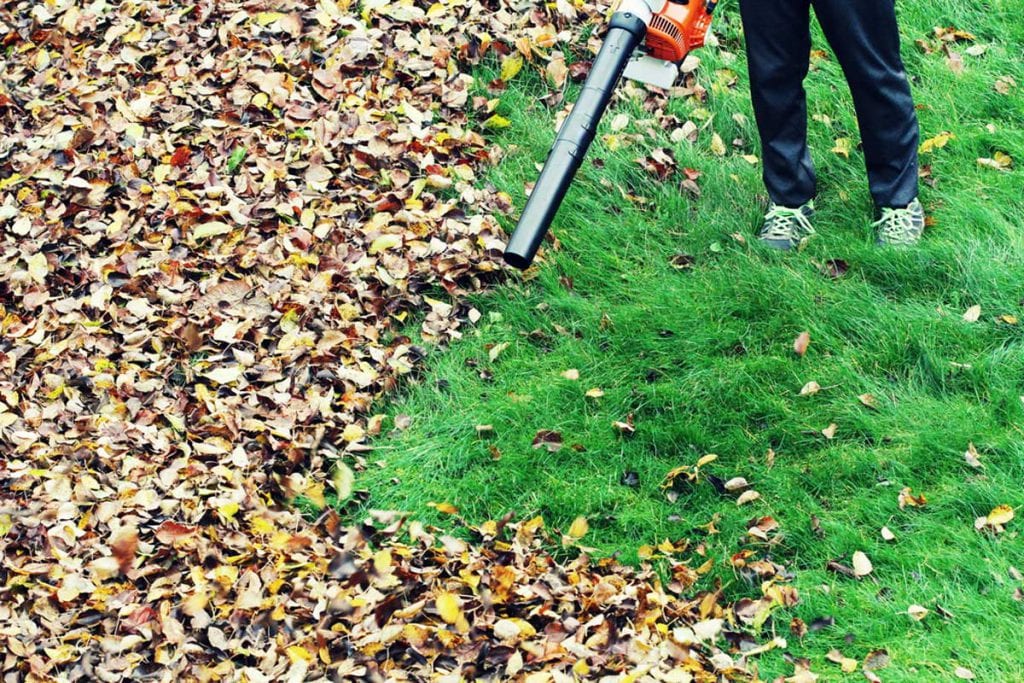
Leaves left to rot suffocate grass by blocking light and airflow. Even a thin layer locks in moisture, inviting snow mold, especially dangerous in cool-season lawns. Thatch, the layer of dead stems and roots just above the soil, adds to the problem by trapping moisture too close to the crown.
Timing Is Everything
Start cleanup as soon as leaves begin piling up. Waiting for all of them to fall is a trap, by then, many are already decomposing. In the North, this means weekly raking or mulching by late October. Down South, aim for early to mid-November.
Reality Check: If you’re waiting for the “last leaf,” you’re already behind. Regular cleanup beats a single heavy session every time.
Aerate and Overseed Selectively Not Every Lawn Needs It
Fall aeration isn’t a universal fix. It’s a targeted solution for lawns that show clear signs of stress or compaction.
When to Aerate Before Winter
If your soil feels hard underfoot, water runs off instead of soaking in, or the mower leaves ruts, compaction is holding your lawn back. Aerating now breaks up that surface tension and lets nutrients and water reach roots before the ground freezes.
Avoid aerating if your lawn is new, already healthy, or mostly weed-free, unnecessary disruption can do more harm than good.
Overseed While the Soil’s Still Warm
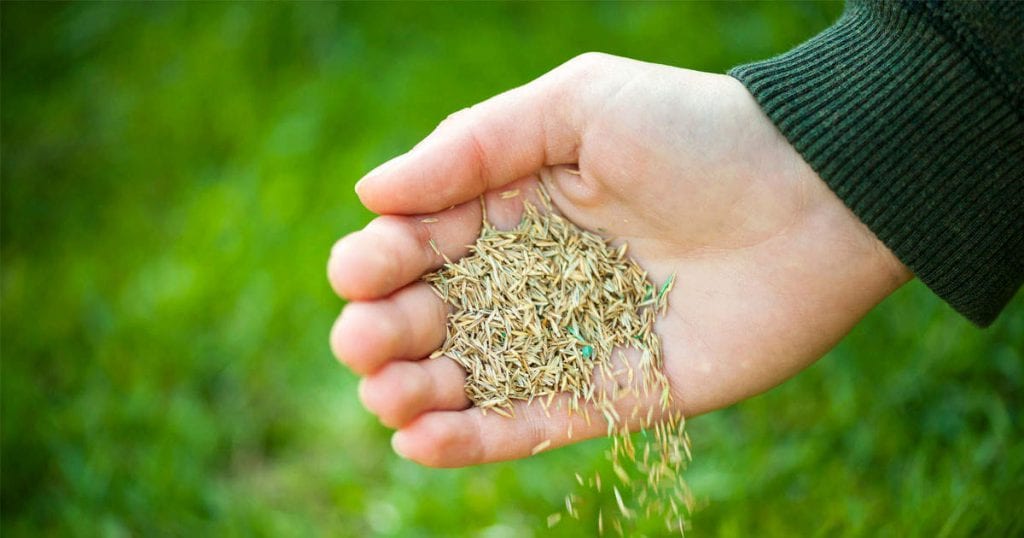
Overseeding only helps if the seed has time to germinate before winter. For cool-season lawns, late September through early November is the sweet spot. Use a seed blend suited to your region, rake the area lightly, then spread with a broadcast spreader. Keep the area moist with daily waterings until sprouts appear.
Note: Overseeding in cold soil means wasted seed. Watch the forecast before you commit.
Water Still Matters Until the Ground Freezes
Shutting down irrigation too early is one of the quiet mistakes that costs homeowners come spring.
Keep Roots Hydrated Before Dormancy
Grass roots don’t stop working just because blades slow down. They’re storing carbs, growing deeper, and prepping for winter. That means they still need water. Aim for one inch per week through late fall, delivered in one or two deep sessions.
Once the ground nears freezing and rainfall becomes steady, you can stop.
Don’t Skip Sprinkler System Winterization
A frozen irrigation system can turn into a springtime plumbing project. Shut off the main water supply, run each zone dry, and blow out the lines with compressed air if your system allows. Insulate or remove backflow preventers, drain the lowest valves, and cut power to the controller.
Warning: Skipping the blowout step can crack underground pipes, and those repairs don’t come cheap.
What Not to Do: Common Winter Prep Mistakes That Backfire
Even experienced homeowners cut corners this time of year, but small mistakes add up fast when the ground is frozen.
Applying fertilizer too late keeps the blades growing when they should be shutting down, setting the stage for winter burn. Raking leaves too late lets mold take hold, especially if snow falls before cleanup. And skipping the final mow? That’s a guaranteed way to trap moisture and weaken your grass over winter.
Reality Check: You don’t need to do everything, just the right things, at the right time.
Bonus Task: How to Winterize Your Riding Lawn Mower
If your mower’s sitting idle through winter, it needs care too, especially if you plan on a smooth start come spring.
Step-by-Step Mower Shutdown
- Drain the Fuel or Add Stabilizer
Gas left in the tank breaks down and clogs the carburetor. Add fuel stabilizer or run the mower dry. - Change the Oil and Air Filter
Old oil holds contaminants that corrode engine parts. Swapping it out now protects the motor. - Clean the Deck and Blades
Scrape off old grass and rinse off debris. Moisture left behind causes rust. - Remove or Disconnect the Battery
Cold drains battery life. Disconnect or remove it and store it in a dry, indoor location. - Store It Smart
Park in a dry, covered spot. Throw a tarp over it only if there’s good ventilation underneath.
This extra hour of effort saves time, money, and frustration when spring rolls around.
FAQ
1. Is it too late to winterize my lawn in November?
Not necessarily. In cooler regions with cool-season grasses, early to mid-November is still viable if the ground hasn’t frozen and the grass is still green.
2. Can I fertilize during winter?
No. Fertilizer won’t be absorbed once the grass is dormant. Save it for early fall or hold off until spring.
3. How short should I mow before winter?
Cool-season grasses: 2 to 2.5 inches. Warm-season grasses: 2.5 to 3 inches. Cutting shorter risks damage.
4. Does every lawn need aeration in fall?
Only lawns with compacted soil, drainage issues, or visible thatch benefit from aeration before winter.
5. What’s the best winter prep for southern lawns?
Finish your mow, remove leaves, apply a winterizer suited for warm-season grass, and water before dormancy. Don’t forget to winterize your sprinkler system.
Let Pros Handle the Hard Part This Fall
Raking in the cold, draining sprinklers, hauling bags of fertilizer, fall prep adds up. If you’d rather spend that time doing literally anything else, LawnGuru’s yard cleanup services cover the essentials so your lawn enters winter protected and ready for spring.
You handle the rake. We’ll handle the rest.