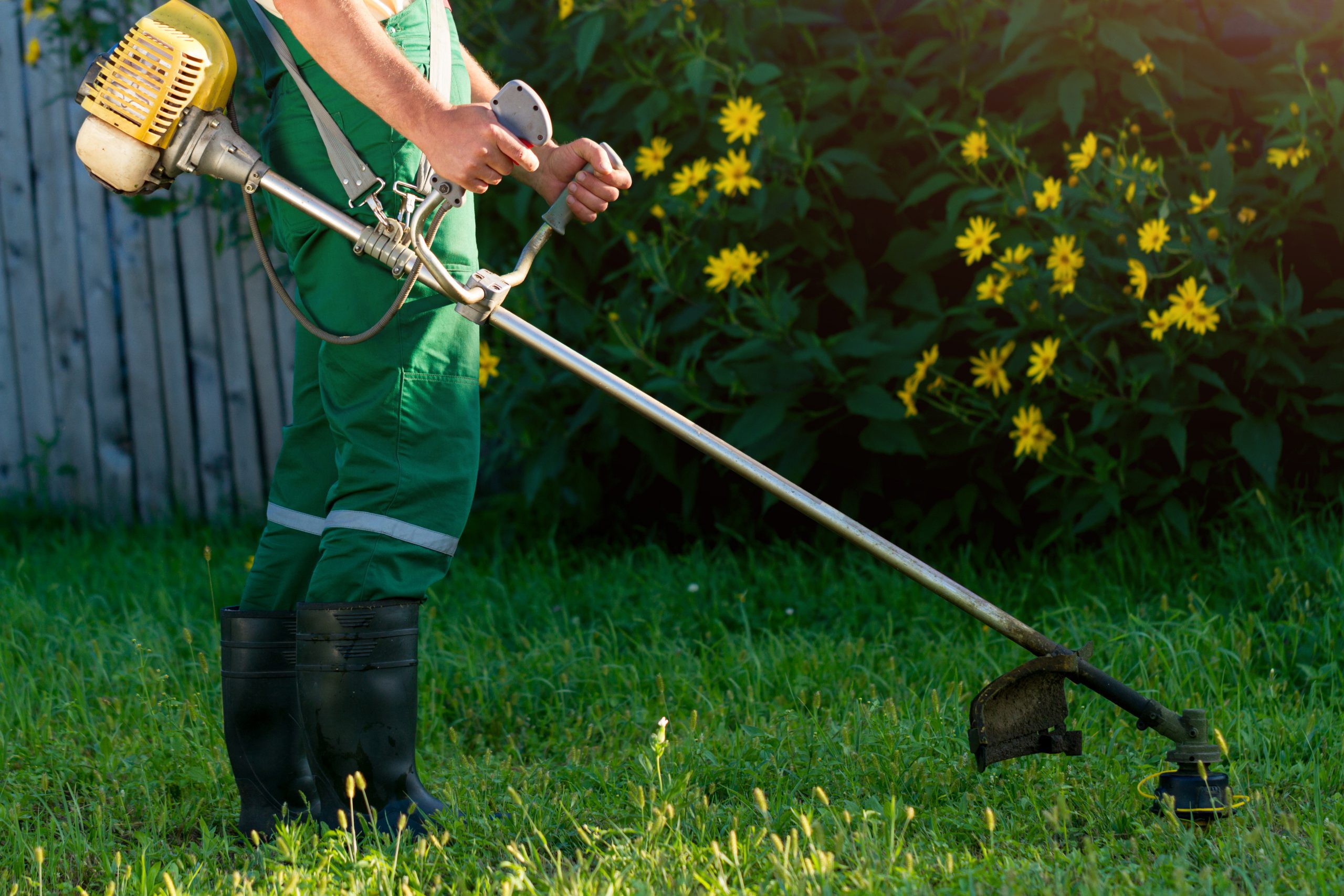

Leaf buildup smothers grass, turns walkways slippery, and, if you’re dealing with more than a couple of trees, can take an entire weekend if you go in without a plan. The right approach isn’t one tool, it’s matching the method to your yard size and how dry the leaves are, then combining tools instead of relying on just one.
Quick Answer: The best way to pick up leaves depends on yard size. For small to medium yards, rake or blow leaves into piles, then bag or mulch them. For large yards, the fastest combination is a leaf blower to gather leaves into big central piles, followed by a lawn sweeper or a mower with a bagging attachment to collect them. Mulching light leaf cover directly into your lawn with a mower is the least work of all, since it skips collection entirely.
What Is the Best Way to Pick Up Leaves?

There’s no single best method, the right one depends on three things: how big your yard is, how dry the leaves are, and whether you want to collect them or just make them disappear into the lawn. Dry leaves are lighter and easier to move with a blower or vacuum. Wet, matted leaves are three to five times heavier and usually need raking or a sweeper instead, since blowers struggle to move a soggy mat.
For most yards, the fastest real-world approach combines two or three methods rather than relying on one tool for the whole job. If you’ve been searching best way to pick up leaves in yard sections that are mostly open lawn versus tight beds and corners, the short answer is: different tools for each, not one tool for the whole property.
The Best Tools for Leaf Removal
Rake Leaves: The Traditional Method
Raking works best for small to medium yards, tight spaces around flower beds, and leaves that are wet or clumped, conditions where a blower or vacuum struggles. A lightweight rake with flexible tines is easiest on your back and gives you precise control other tools can’t match near landscaping.
Blow Leaves Into Piles With a Leaf Blower
A leaf blower is the fastest way to clear large, open areas of dry, loosely scattered leaves. Work with the wind rather than against it, and blow from the edges of your yard, away from beds and fences, inward toward one or two large collection points. That single habit saves more time than any other blower technique.
Suck Up Leaves With a Leaf Vacuum
Leaf vacuums combine a blower and a collection bag in one pass, best suited to dry leaves on patios, driveways, and tight spots where a pile would just make more mess. They’re less effective on wet or heavy leaf cover, where the suction can’t keep up with the added weight.
Chop Up Leaves With a Mulching Lawn Mower
Running a mulching mower, or a standard mower with a mulching blade, over a light-to-moderate leaf layer shreds the leaves into fine pieces that break down and feed the lawn instead of needing to be collected at all. This is the least labor-intensive option by far, but it only works when the layer is thin enough that a pass or two fully breaks it up. A heavy, matted layer needs partial removal first, or the shredded leaves will still smother the grass underneath.
Use a Lawn Sweeper for Large, Open Areas
A push or tow-behind lawn sweeper works like a rolling broom, pulling leaves, acorns, and small twigs into a hopper as you walk or drive it across the lawn. It’s the tool most repeatedly recommended for large properties in current lawn care guidance, since it covers far more ground per pass than a vacuum and handles more volume than a mower bagger without repeated mower passes. Tow-behind models that attach to a riding mower are worth the investment if you’re clearing more than half an acre of tree cover every fall.
The Best Way to Pick Up Leaves in a Large Yard

Large yards need a different combination than a small one. Rake-and-bag alone doesn’t scale past a certain point, the physical hauling becomes the bottleneck, not the collecting.
The fastest approach for a large yard combines three steps: use a leaf blower, backpack models cover the most ground fastest, to corral leaves from the edges of the property into a few large central piles; run a tow-behind lawn sweeper or a mower with a bagging attachment over the piles to collect them in bulk; then use a tarp to drag any remaining piles to a curb or compost area instead of carrying loaded bags by hand. For very large properties, working in sections rather than trying to clear the whole yard in one pass keeps the job from feeling endless, and clearing leaves before a heavy rain avoids dealing with a matted, waterlogged layer that takes far longer to move.
The Best Way to Pick Up Leaves in Your Yard, Fast
Combining tools beats relying on one for most yards, regardless of size. Start with a leaf blower to gather the bulk of the leaves into large piles in open areas. Switch to a rake for tight corners, garden beds, and anywhere a blower would just scatter debris instead of collecting it. For final cleanup, a leaf vacuum or lawn sweeper picks up what’s left without manual scooping.
A few habits make this noticeably faster: choose a calm, dry day so wind and wet leaves don’t work against you, use a tarp to drag large piles instead of carrying loaded bags, and slide a wide-mouth trash can, bottomless works even better, inside your yard waste bag to hold it open while you stuff it, instead of trying to hold the bag open with one hand while shoveling leaves in with the other.
Do You Need to Remove All Your Leaves?
Not necessarily, and clearing every last leaf may not even be the better choice. According to University of Minnesota Turfgrass Science, a light leaf layer covering 10 to 20% of your lawn generally doesn’t harm the grass and can be left in place or mulched directly into the turf. The exception is a thick, matted layer that blocks light and air from reaching the grass underneath, that layer needs to come off or get shredded before it smothers a section of your lawn. Leaves left in garden beds also serve as free winter mulch and shelter for beneficial insects, so full removal from every square foot of the property is often more work than the yard actually needs.
How to Get Rid of Leaves Properly
Once collected, composting turns leaves into nutrient-rich material for garden beds. Mulching them directly into the lawn with a mower skips collection and returns nutrients to the soil in one pass, see our full breakdown of mulching versus raking for when each makes more sense. Many municipalities also offer curbside yard waste pickup on a set schedule, check local guidelines, since a growing number of cities require paper bags rather than plastic. Avoid burning leaves, which is illegal in many areas and a genuine fire and air quality hazard.
Frequently Asked Questions
Is it easier to pick up wet or dry leaves?
Dry leaves, by a significant margin. Wet leaves weigh three to five times more than dry ones and clump together, which slows down raking, clogs vacuums, and makes blowers far less effective. Clearing leaves during a dry stretch, before rain rather than after, saves real time and effort.
Is it okay to mow over leaves instead of raking them?
Yes, for a light-to-moderate layer. A mulching mower shreds leaves into small pieces that decompose and feed the lawn, and it’s genuinely less work than raking and bagging. A thick, matted layer should be thinned out first, since even a mulched pass won’t fully break down leaves piled several inches deep.
Do lawn sweepers really work for leaf pickup?
Yes, especially on large, open areas of lawn. A lawn sweeper covers ground faster than a vacuum and collects more volume per pass than a mower bagger, which is why it’s the tool most often recommended for bigger properties. It’s less useful in tight spots like garden beds or against fences, where a rake or blower still does a better job.
How do landscapers pick up leaves so fast?
Professional crews almost always combine tools rather than using one: blowers to consolidate leaves into large piles, then a sweeper, bagging mower, or tarp to collect and haul them, working in sections across the property instead of covering it all at once. The speed comes from the combination and the workflow, not from any single specialized tool.
The Bottom Line
There’s no single best way to pick up leaves, the right combination depends on your yard size and how dry the leaves are. Small yards do fine with a rake and a mulching mower. Large yards move faster with a blower, a lawn sweeper or bagging mower, and a tarp for hauling. If leaf season keeps outpacing your weekends, LawnGuru connects you with local pros who handle full-yard leaf cleanup so you don’t have to fit it in yourself, see our leaf removal cost guide for what that typically runs.