
One of the most common mistakes we see on lawns isn’t overwatering, or even forgetting to fertilize, it’s mowing at the wrong height for the season. That “one setting fits all” approach might seem convenient, but your grass doesn’t see it that way. The right mowing height changes as the weather shifts, and if you’re not adjusting with it, you’re setting your lawn up for burnout, bare patches, and disease.
In spring and fall, cool-season grasses like Kentucky bluegrass and fescue thrive at 2.5 to 3.5 inches. In summer, raise that to 3 to 4 inches for better moisture retention. For warm-season lawns like Bermuda and zoysia, mow shorter, typically 1 to 2.5 inches during peak summer growth. Never cut more than one-third of the blade length at once.
Mowing Height by Season
| Season | Cool-Season Grass Height | Warm-Season Grass Height |
|---|---|---|
| Spring | 2.5–3.5 inches | 1–1.5 inches |
| Summer | 3–4 inches | 1.5–2.5 inches |
| Fall | 2.5–3.5 inches | 1.5–2 inches |
| Winter* | No mowing (dormant) | No mowing (dormant) |
*Mowing in winter is rare and usually unnecessary unless you’re in a warmer climate with active growth.
Spring: When Grass Wakes Up, Keep It Trim, But Not Too Short

Come March or April, homeowners get that itch to fire up the mower. The sun’s back, the grass starts pushing green again, and there’s this urge to cut it clean and sharp. But spring’s not the time to go short.
The soil is still warming, and root systems are just becoming active. Mowing too low early on strips away energy the plant needs to recover from winter. Cool-season grasses do best around 2.5 to 3.5 inches this time of year. For warm-season varieties just starting to green up, 1 to 1.5 inches is usually safe.
Keeping it a bit longer helps with photosynthesis, fuels growth, and thickens your lawn naturally, no extra seed required.
Reality Check: If you scalped your lawn on the first mow out of habit, expect to see slow green-up, patchy regrowth, or early weed invasion. A tall, thick lawn in spring sets the stage for summer durability.
Summer: Raise the Blade to Beat the Heat

Every year we see it, July rolls in, and lawns that looked perfect in May suddenly brown out or go bare. Nine times out of ten, the culprit is short mowing in full sun.
During summer, cool-season lawns need height for protection. Mow at 3 to 4 inches, which shades the soil and keeps root zones cooler. It also helps trap moisture during dry spells. For warm-season grasses, which love heat, mowing lower, around 1.5 to 2.5 inches, is fine, but don’t go shorter than necessary.
If your lawn gets heavy foot traffic or the occasional kiddie pool, that extra blade length is a buffer against damage.
Fall: Reset Height Before First Frost
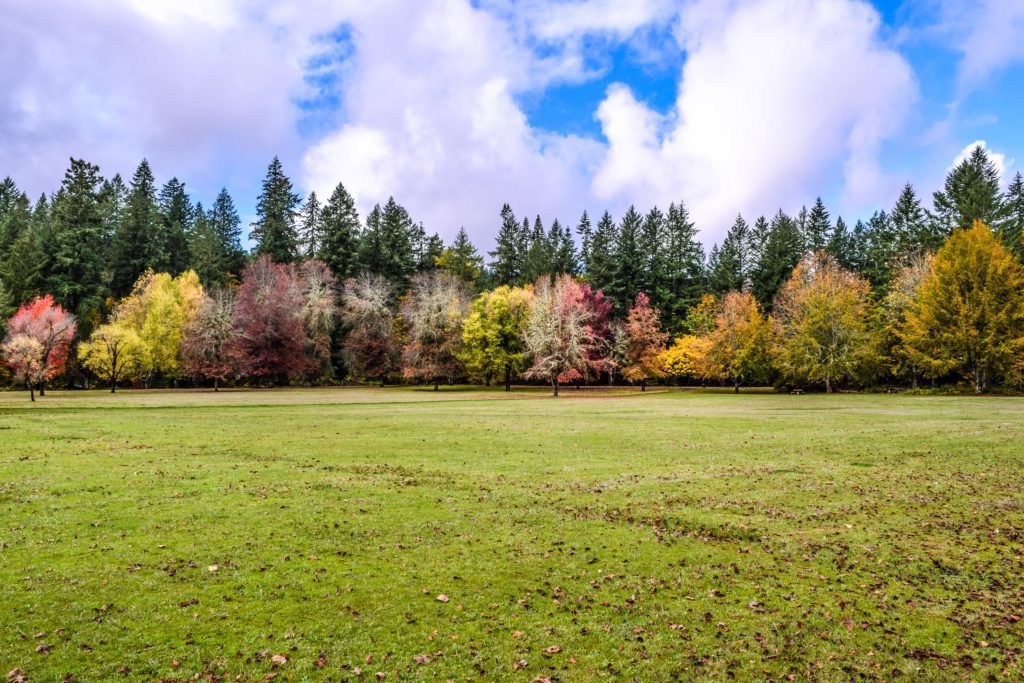
As temperatures cool off, growth slows down, but fall isn’t time to forget your mowing routine. In fact, it’s one of the most critical times to cut at the right length.
Cool-season lawns surge with growth in early fall. Stick with 2.5 to 3.5 inches to encourage thick coverage before winter. On your final mow, you can edge closer to the lower end, around 2.5 inches, to help prevent matting or snow mold under snowpack.
Warm-season grasses taper off growth in fall and go dormant. Trim them down gradually to around 1.5 to 2 inches before winter arrives. No need to rush it, just don’t let it sit tall and get matted down.
Pro Tip: If you’re mulching leaves into the lawn (which is a smart move), slightly lowering your mowing height near the end of fall helps break up leaf debris more effectively.
What Length Should I Cut My Grass for Healthier Roots?
Let’s skip the guesswork, what height to cut grass depends entirely on how you want it to perform. Taller grass means deeper roots, better drought tolerance, and fewer weeds. Shorter grass may look manicured but often invites heat stress and bare spots.
The rule of thumb: mow often enough so you’re never removing more than one-third of the grass blade at once. For most lawns, that means mowing every 5 to 10 days depending on weather, species, and growth rate.
Shortening your mowing intervals in peak season keeps your lawn healthier without needing drastic cuts.
Does Grass Type Change the Best Height to Cut Grass?
Absolutely. A homeowner in Michigan mowing fescue doesn’t need the same height as someone in Texas with Bermuda. Here’s a breakdown of typical grass types and their best mowing ranges:
Cool-Season Grasses
- Kentucky Bluegrass: 2.5 to 3.5 inches
- Tall Fescue: 3 to 4 inches
- Perennial Ryegrass: 2.5 to 3 inches
Warm-Season Grasses
- Bermudagrass: 1 to 2 inches
- Zoysiagrass: 1.5 to 2.5 inches
- St. Augustine: 2.5 to 3.5 inches
- Centipedegrass: 1.5 to 2 inches
If your lawn’s mixed or you’re not sure what you have, aim on the higher side until you identify the species.
One Mowing Height All Year? Why That’s a Common Mistake
It seems logical to “set it and forget it” on your mower, but your grass doesn’t grow the same way in spring as it does in August. Sticking with one fixed setting leads to unnecessary stress during heat, or missed chances to promote thickening when conditions are ideal.
Adjusting your height just three times a year, spring, summer, and fall, makes a noticeable difference. It’s not about being fussy. It’s about giving your lawn what it needs when it needs it.
For Homeowners Short on Time, There’s Help
Keeping up with height changes and mowing schedules takes attention, and some weeks, it just doesn’t fit in. That’s where services like LawnGuru come in. We follow best practices for your grass type, regional weather, and season, so you’re never stuck wondering if you cut too much (or too little). No contracts, no stress.
FAQ: Mowing Height and Lawn Care
What’s the best height to cut grass in summer?
For cool-season grasses, raise the blade to 3 to 4 inches. For warm-season types like Bermuda or zoysia, stick with 1.5 to 2.5 inches depending on how fast it’s growing.
What length should I cut my grass before winter?
Cool-season lawns should be trimmed to around 2.5 inches before snowfall to prevent matting and fungus. Warm-season lawns can be trimmed to about 1.5 to 2 inches before they go dormant.
Can I mow my lawn too tall?
Yes, if your grass gets too long, it may flop over, invite pests, or get unevenly cut. However, too short is usually worse. Stick within the species range and avoid extremes.
Don’t Let the Blade Set Your Lawn Back
The right mowing height isn’t about appearance, it’s about timing, grass type, and resilience. A lawn cut too short in summer can bake in the sun. One left tall in fall can mat and mold. Matching your mower setting to the season makes the difference between a lawn that survives and one that thrives.
If dialing that in sounds like a lot to manage, don’t sweat it. Let LawnGuru handle the cuts while you enjoy the results.