If you have a dog, your lawn isn’t just landscaping. It’s a play area, a bathroom, and sometimes a wrestling mat.
At the same time, you still want thick grass, fewer weeds, and a yard that doesn’t turn into mud after a week of rain. That’s where many homeowners get stuck. They want pet friendly lawn care, but they’re not sure which lawn care services are pet safe.
The good news is that most lawn services can be safe when handled properly. It usually comes down to what’s applied, how it’s applied, and when pets are allowed back on the lawn.
Routine services like mowing, aeration, and seeding are generally safe right away. Fertilizers and weed control treatments are often safe too, but only after proper watering or drying time.
1. Start With Strong, Durable Grass
The safest lawn is one that doesn’t need constant correction.
Thin turf leads to mud, weeds, and overuse of treatments. A dense lawn naturally crowds out weeds and holds up better to running and digging. That means fewer inputs and fewer risks.
Overseeding worn areas, mowing at the right height, and keeping grass healthy reduces the need for heavier treatments later. In many cases, good turf health is the foundation of pet friendly lawn care.
2. Mowing, Aeration, and Seeding
Some lawn services are naturally low risk for pets.
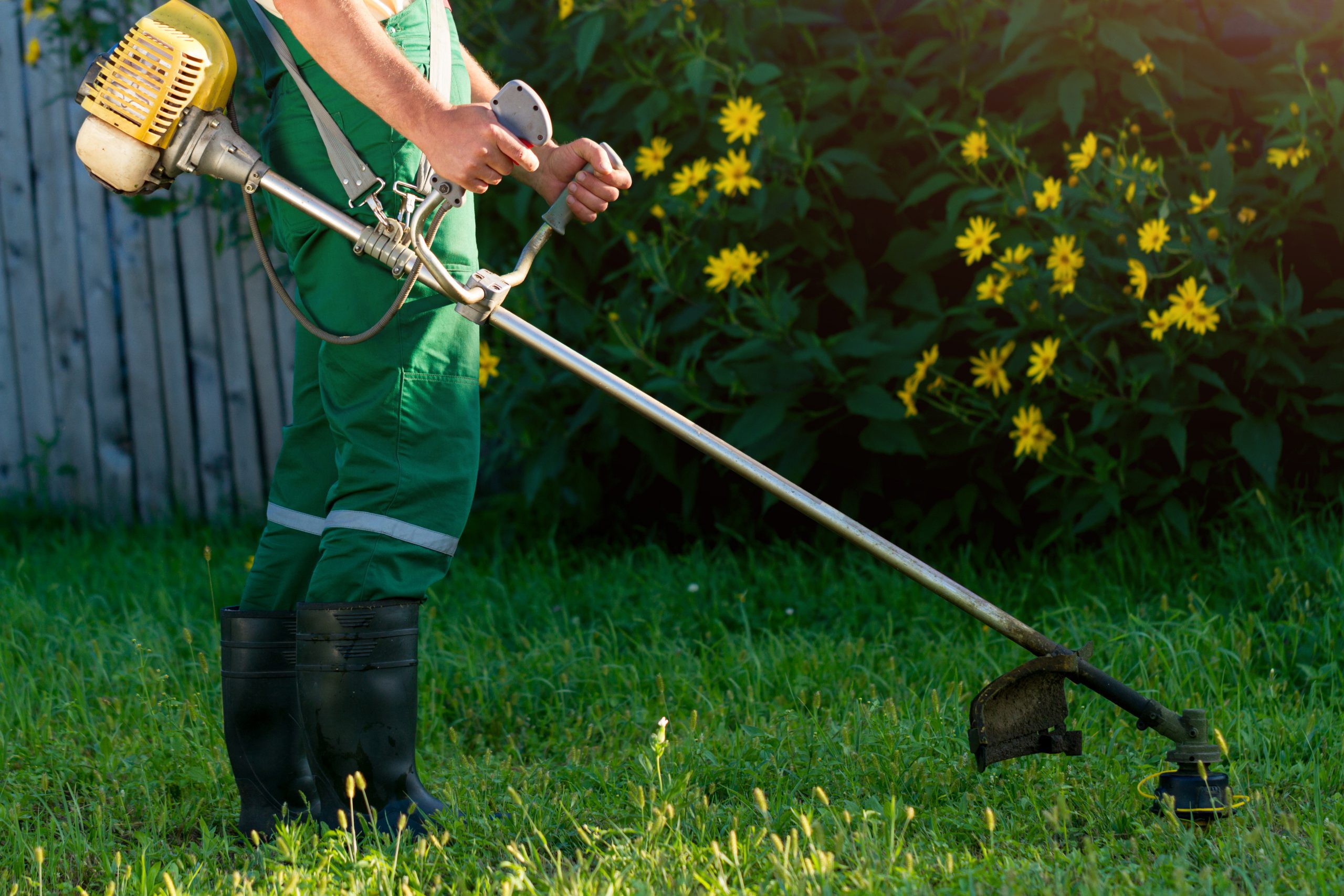
Routine mowing doesn’t introduce any products. As long as debris is cleared and equipment is used safely, pets can return immediately.
Core aeration is also pet safe. The soil plugs left behind are harmless and typically break down quickly. Overseeding and topdressing are similar, just be aware that some dogs love to dig in freshly seeded areas.
If you’re looking for a pet safe lawn care service with minimal restrictions, these mechanical services are usually the safest starting point.
3. Fertilizer and Weed Control
This is where most questions come from.
Granular fertilizers are typically safe once they’ve been watered in and settled into the soil. Until then, you don’t want pets walking through loose particles or licking their paws afterward.
Liquid weed control and liquid fertilizers are generally considered safe once fully dry. The key word is fully. Letting the lawn dry completely before pets return is critical.
The real issue isn’t whether these services exist, it’s how they’re applied and whether proper re-entry timing is followed.
4. Pest and Insect Control Around Pets
Surface insect control and grub treatments can be part of a healthy lawn plan, but they require more attention to detail.
Some treatments are designed to bind to soil after watering. Others may require longer drying periods. Bait-based products, especially for rodents, need careful placement to prevent access.
If you’re unsure which lawn care services are pet safe in this category, ask specifically:
- What product is being used?
- Does it require watering in?
- How long should pets stay off the lawn?
Clear answers matter more than a generic “it’s pet safe” label.
5. Design the Yard With Pets in Mind
Pet safe lawn care isn’t just about treatments. It’s also about layout.
Designated potty areas with gravel or mulch can reduce concentrated urine damage. Defined paths can limit traffic wear. Adding shaded spots helps prevent heat stress during summer.
When the yard is designed around how pets actually use it, the lawn requires fewer reactive fixes. That reduces chemical inputs and keeps the space more stable year-round.

6. Choose a Lawn Care Service That Understands Pets
If you’re hiring help, communication is everything.
A reliable pet safe lawn care service should be able to explain:
- What products are used
- How they’re applied
- Whether they’re granular or liquid
- When pets can safely return
Be cautious of vague claims like “all natural” without details. The safest programs are transparent and timed properly, not just marketed as safe.
Are These Lawn Care Services Pet Safe?
| Lawn Care Service | Generally Pet Safe? | When Pets Can Return | What to Confirm |
|---|---|---|---|
| Lawn Mowing | Yes | Immediately | Remove debris |
| Core Aeration | Yes | Immediately | Soil plugs are harmless |
| Overseeding | Yes | Immediately | Prevent digging in new seed |
| Granular Fertilizer | Yes, with precautions | After watering in and settled | Confirm proper application |
| Liquid Weed Control | Yes, with precautions | After fully dry | Ask about re-entry timing |
| Insect Control | Depends on product | Varies by treatment | Request product details |
The service itself isn’t usually the problem. The timing and application method are what matter.
Common Mistakes That Put Pets at Risk
Most lawn-related pet issues come from simple oversights.
Letting dogs out before a product has dried is one of the biggest mistakes. Another is over-applying DIY fertilizer because “more must be better.” It isn’t.
Ignoring label instructions or storing lawn products where pets can reach them also creates unnecessary risk. Following directions and allowing proper settling time prevents most problems.
Want Help Finding a Pet Safe Lawn Care Plan?
If you’re unsure which services make sense for your yard and your pets, it helps to talk through the details.
Some homeowners prefer handling everything themselves. Others want guidance on building a pet safe lawn care service plan that fits their schedule. LawnGuru can help you explore options and choose a practical approach that keeps both your grass and your pets in mind.