
Knowing when to trim hedges is the difference between a hedge that fills in properly and one that either misses its bloom cycle or heads into winter with frost-vulnerable new growth. The timing varies by plant type, and the most common mistake, pruning everything in early spring, is exactly wrong for anything that flowers in spring.
Here’s how to time it right, broken down by hedge type.
Quick Answer: The best time to trim most hedges is late winter to early spring, before new growth begins. Evergreen and deciduous non-flowering types: late winter or early spring. Spring-flowering hedges (forsythia, azalea, lilac): prune immediately after blooming, not before. Summer-flowering types (Rose of Sharon, butterfly bush): late winter or early spring. Boxwood: late spring after the new growth flush, with a light follow-up in early summer if needed. Hard rule for all types: stop trimming by mid-August. New growth pushed after that will not harden before frost.
When Is the Best Time to Trim Hedges?
For most non-flowering hedges, late winter to early spring is the right window. The plant is dormant, the branch structure is fully visible, and a full growing season ahead gives it time to fill back in. Pruning during dormancy also limits pest and disease exposure, since most pathogens and insects are inactive at the same time.
The main exceptions are spring-flowering hedges and late-season trimming. Flowering types split into two groups based on whether they bloom on old wood or new wood, and that distinction determines the entire timing decision. The other common mistake is trimming too late in the season. Any hedge trimmed after mid-August may push new growth that has no time to harden before frost, leaving dead tips or bare sections to manage the following spring.
The University of Maryland Extension pruning guide recommends defaulting to early spring when timing is uncertain, since late-season pruning causes more consistent plant damage than pruning a few weeks too early in the year.
When to Trim Evergreen Hedges
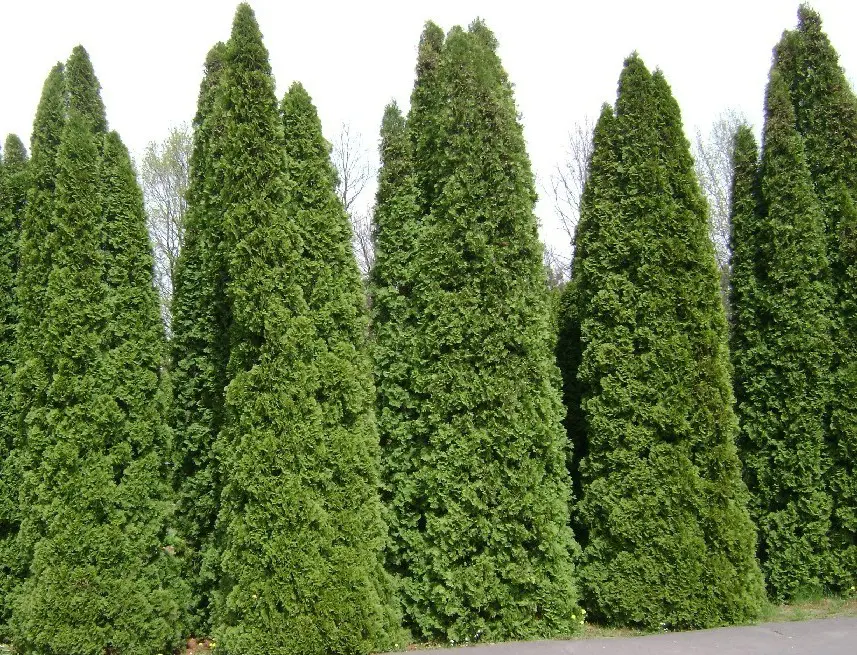
Evergreen hedges, yew, holly, arborvitae, privet, and similar species, hold their foliage year-round, so you don’t get the clear visual cues that bare deciduous plants provide. The standard approach is one primary trim in mid-to-late spring after the first flush of new growth has emerged and hardened slightly, then a light maintenance trim in early summer for fast-growing varieties.
Slow-growing evergreens like yew may only need one trim per year, or even every two to three years for a loose, informal shape. Fast growers like Green Giant Arborvitae or privet may need two trims to stay tidy and compact.
For conifers specifically, arborvitae, cypress, thuja, do not wait until they become overgrown before cutting back. Conifers have few latent buds in their older wood. Cut hard into bare wood and the plant typically will not backbud, leaving permanent bare patches. Frequent light trims prevent this problem entirely. Letting a conifer hedge go for three or four years and then trying to correct it in one heavy session rarely ends well. Constant shearing without thinning also creates dense outer growth that blocks air circulation, the how to trim hedges like a pro guide covers when to thin rather than shear for healthier long-term results.
When Is the Best Time to Trim Boxwood Hedges?
Boxwood is the hedge most people time incorrectly. The instinct is to trim early in spring with everything else, but boxwood benefits from a different schedule.
Wait until late spring, after the new growth flush has fully extended. Boxwood pushes out a significant flush of soft new growth in early-to-mid spring. Trim before that flush finishes and you trigger two rounds of growth back to back, creating more work with less clean results. Trim after it, and you are cutting back a defined round of new growth that shapes cleanly and stays compact.
If a second trim is needed on a faster-growing variety, do it in early summer and no later. The NC State Extension Gardener Handbook on woody ornamentals notes that boxwood benefits from frequent light maintenance rather than heavy seasonal cutting, which aligns with a late-spring primary plus early-summer follow-up schedule.
Avoid trimming boxwood in fall. Fall trimming pushes new growth with no time to harden, and boxwood is particularly susceptible to winter dieback from late-season cuts.
When to Trim Flowering Hedges
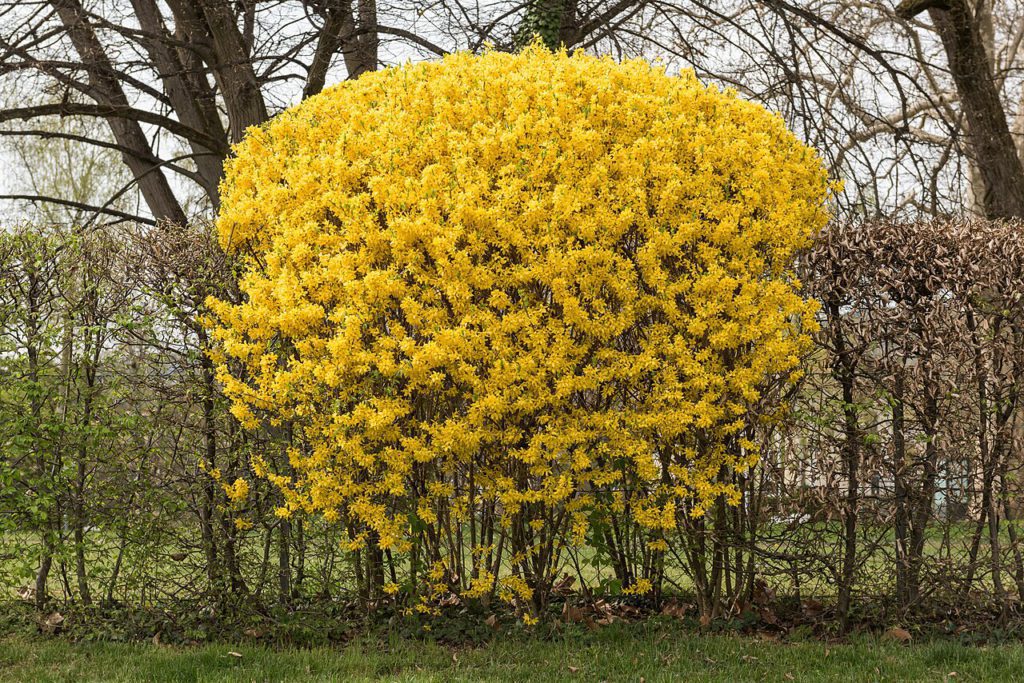
This is where the old wood vs. new wood rule matters most.
Spring-blooming hedges, forsythia, azalea, lilac, spirea, weigela, flower on buds they set the previous summer. Prune them in late winter or early spring and you cut off this year’s flowers. The right timing is immediately after the blooms drop. That window is short: two to four weeks after peak bloom before you risk cutting into next year’s bud development. Prune during that window and the plant has the full growing season to set new buds for next spring.
Summer or fall-blooming hedges, Rose of Sharon, butterfly bush, summersweet, flower on new growth from the current season. Prune these in late winter or early spring to encourage the strongest new growth and best bloom for summer.
Hydrangeas are a special case worth noting. Mophead varieties bloom on old wood, like spring-blooming types, so prune right after the flowers fade. Panicle and smooth hydrangeas (Annabelle, Limelight) bloom on new wood and respond well to late-winter or early-spring pruning. The simple test for any flowering hedge you’re unsure about: if it blooms before June, prune after bloom; if it blooms after June, prune in late winter.
When to Trim Hedges and Bushes: Deciduous Non-Flowering Types
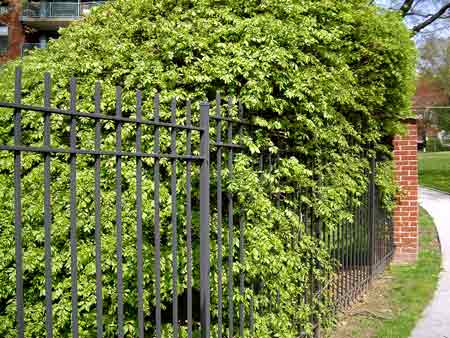
Deciduous hedges that don’t flower, hornbeam, beech, hawthorn, burning bush, follow the simplest schedule. Two trims per year works well: one in early summer after the main growth flush, and a second in late summer by early August at the latest. This keeps formal shapes tidy without pushing excessive growth or leaving the plant vulnerable heading into fall.
For a badly overgrown deciduous hedge, cut back one-third of the oldest stems per year over three years rather than taking the whole thing at once. This approach, called rejuvenation pruning, keeps the plant alive and productive while it regrows. Late winter is the best timing for any heavy cutback since the plant is dormant and the full structure is visible. A gradual multi-year approach produces a larger, healthier hedge than any single hard reset.
When to Stop Trimming Hedges for the Season
Regardless of hedge type, mid-August is the practical cutoff for significant pruning across most of the US. Shaping and size-control trims stimulate new growth. In zone 5 or 6, growth pushed after mid-August won’t harden before the first frost, which typically arrives by late October. That new growth suffers dieback and leaves dead tips or bare sections to clean up the following spring.
Light removal of deadwood or broken branches can happen any time of year without triggering new shoots. The risk comes from cuts that stimulate active new growth, which is exactly what routine shaping does. The same late-season timing risk applies to trees; the when is the worst time to prune trees guide covers the equivalent rules for larger woody plants.
One practical note for spring trimming: hedges are prime nesting habitat for birds from late March through July across most of the US, with protections under the Migratory Bird Treaty Act. Take a quick look inside the hedge before running the trimmer in spring or early summer, especially on properties with dense mature hedging.
Hedge Trimming Timing: Quick-Reference Table
| Hedge Type | Primary Trim | Second Trim | Avoid |
|---|---|---|---|
| Evergreen (yew, holly, privet) | Mid-to-late spring | Early summer (fast growers only) | After mid-August |
| Boxwood | Late spring (after flush) | Early summer | Fall, late August onward |
| Arborvitae / conifers | Early spring | Light trim, early fall | Hard cuts into bare old wood |
| Spring-blooming (forsythia, azalea, lilac) | Right after blooming | Not needed | Late winter or early spring |
| Summer-blooming (Rose of Sharon, butterfly bush) | Late winter/early spring | Not needed | Late summer or fall |
| Deciduous non-flowering (hornbeam, beech, hawthorn) | Early summer | Early August at latest | After mid-August |
For species not listed here, the fallback rule is to determine whether the plant flowers and whether it blooms on old or new wood. The University of Minnesota Extension guide on pruning trees and shrubs covers species-specific timing for less common varieties.
Get the Timing Right, or Hand It Off
Hedge trimming looks like routine yard work until you cut a forsythia in February and wonder why it didn’t bloom, or you trim in September and deal with frost-damaged tips all spring. The schedule above eliminates those mistakes.
If you’re managing a property with several hedge types or want professional trimming on the right schedule without tracking it yourself, LawnGuru connects you with local crews who know their plants. For a sense of what professional hedge care runs in your market, the hedge trimming cost guide has current pricing by hedge type and size.
Get a free quote today and get your hedges on the right schedule before the next trim window opens.