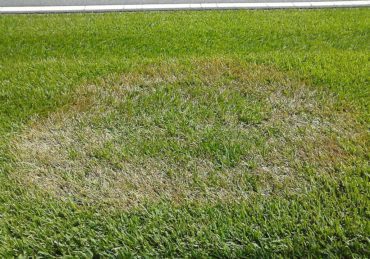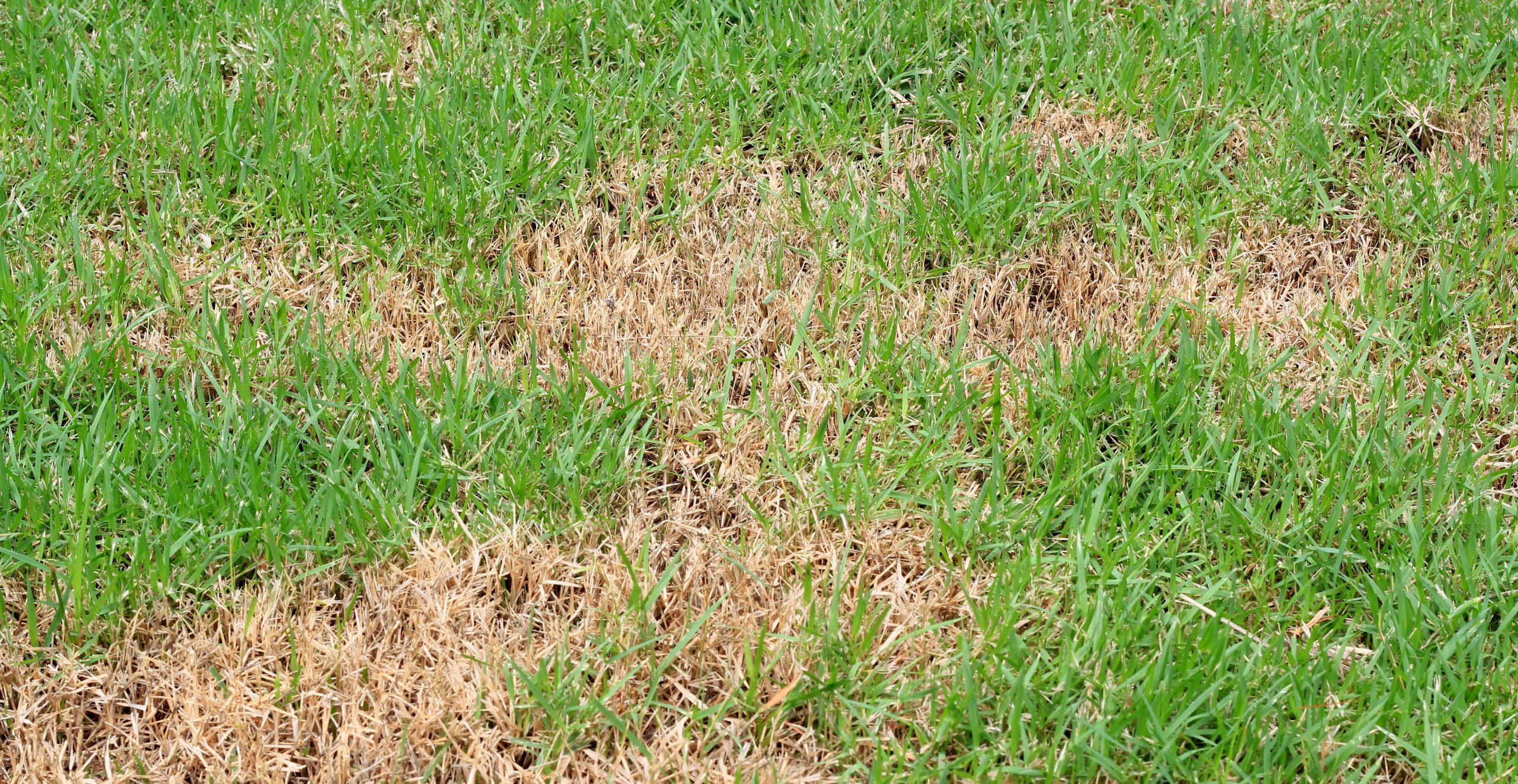
Chinch bugs are a common cause of patchy, dying grass, especially in the heat of summer. Their damage is often mistaken for drought or disease, giving these tiny insects a head start. If you notice brittle, brown patches that just don’t come back after watering, chinch bugs may be the problem.
Early identification and targeted response are the most effective ways to limit damage and restore your lawn. This straightforward guide explains what chinch bugs are, how to spot the difference between their damage and other lawn issues, and the approaches proven to work for both DIYers and those who prefer professional support. Whether you want to handle chinch bugs yourself or connect with a trusted local LawnGuru provider, you’ll find clear, practical steps below.
Chinch Bugs: What They Are and Why They Matter
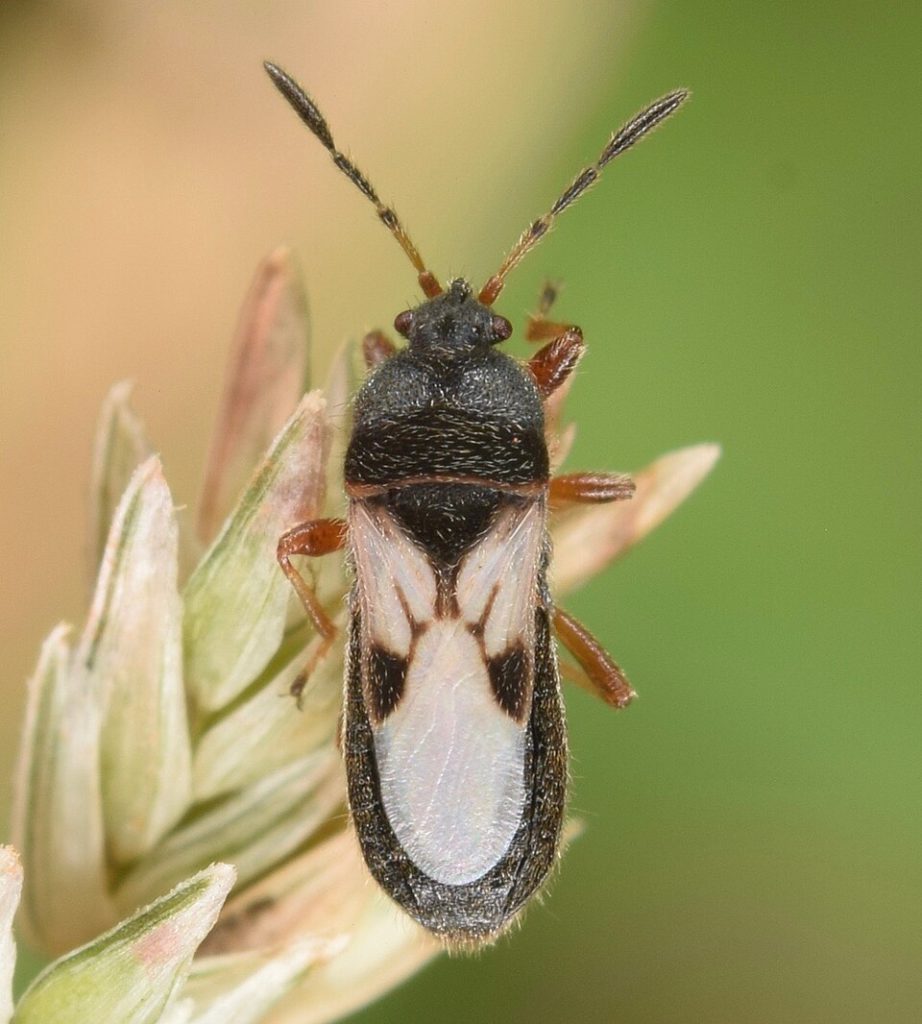
Chinch bugs are small insects that feed on grass by puncturing blades and drawing out sap. As they feed, they inject saliva into the plant, interfering with the grass’s ability to move water. This causes patches of your lawn to dry out and turn brown, a process that can move quickly if left unchecked.
Basic Identification:
The two most common lawn pests in this group are the hairy chinch bug (Blissus leucopterus hirtus) and the southern chinch bug (Blissus insularis). Both are tiny (no bigger than a grain of rice). Nymphs start off reddish-orange and turn darker with age, while adults have black bodies and white wings.
Typical Lifecycle:
- Spring: Adults emerge, mate, and lay eggs in the thatch layer near the soil.
- Summer: Nymphs feed aggressively and damage peaks, especially in the hottest weeks.
- Late summer to fall: Activity slows as temperatures drop and bugs seek shelter in layers near or below the soil.
Acting before peak summer activity can prevent extensive damage.
How to Recognize Chinch Bug Damage
Chinch bug damage can look a lot like drought or disease. A close look at symptoms can help you decide if treatment is needed.
Key signs of chinch bug activity:
- Uneven brown or yellow patches, often starting in sunny or dry spots, especially near pavement where heat collects.
- Expanding edges, brown patches seem to grow at the margins, overtaking healthy areas.
- Water doesn’t help, damaged grass doesn’t bounce back even after regular, deep watering.
- Dry, straw-like texture, affected turf feels brittle, not soft or lush.
- Fewer natural insects, areas hit hard by chinch bugs may also have less visible beneficial insect activity.
By contrast, diseases often show up as circular spots or rings; drought usually creates uniform dryness, not irregular borders.
Confirming Chinch Bugs: The Float Test
Chinch bugs are hard to spot without getting hands-on. The float test is a reliable, simple way to check:
How to do it:
- Pick an area where green meets browning grass.
- Use a large can (like a coffee can) with both ends removed.
- Press it 2–3 inches into the soil.
- Fill it with water and keep the level up for about five minutes.
- Watch for chinch bugs floating to the surface. Nymphs are reddish, adults are dark with white wings.
Seeing several bugs in a single spot suggests treatment is necessary.
Where Chinch Bugs Thrive
Chinch bugs favor certain conditions and locations.
- Grass types: Cool-season grasses (Kentucky bluegrass, fescue, perennial rye) up north; St. Augustine and zoysia in warmer climates.
- Full sun: High activity where lawns get hot, driveway edges, walkways, southern exposures.
- Thatch build-up: Layers thicker than half an inch give chinch bugs shelter for breeding.
- Drought or stressed grass: Weak turf provides easy entry for feeding and egg-laying.
Knowing where chinch bugs are likely to be active helps you focus your prevention and control efforts.
Practical Steps to Prevent Chinch Bugs
Routine lawn care can greatly reduce chinch bug problems. Focus on the following:
- Water deeply and less often. This encourages deeper roots and healthier grass. Avoid frequent, shallow watering.
- Keep grass a bit taller. Mow to 3–4 inches to reduce surface stress; never cut off more than one-third of each blade.
- Dethatch if needed. If your lawn has more than half an inch of thatch, consider dethatching in spring or fall. LawnGuru providers offer this service if you prefer not to DIY.
- Limit insecticides. Beneficial insects (like ground beetles and ants) keep chinch bugs in check; heavy pesticide use can backfire.
- Fertilize thoughtfully. Don’t over-fertilize in spring, a slow-release, balanced approach is best.
- Check at-risk spots. Hot, sunny, or previously damaged areas should be inspected regularly. LawnGuru makes it easy to schedule seasonal lawn health checks.
What to Do if You Have a Chinch Bug Infestation
If your float test or visual inspection confirms chinch bugs, take action to stop further spread.
DIY Treatments:
- Remove excess thatch, chin bugs hide and lay eggs here.
- Water properly to reduce drought stress and boost grass resilience.
- If using insecticides, choose products labeled for chinch bugs, read directions closely, and spot-treat only where needed. Avoid over-application to protect beneficial insects.
Professional Support:
If the issue is widespread, or you’d rather not manage it alone, you can quickly compare quotes from top-rated local providers through the LawnGuru app or website. Select the service you need and monitor progress with real-time job tracking and photo receipts, plus, you have the Guru Guarantee if service doesn’t meet expectations.
Recovering Your Lawn After Chinch Bugs
After chinch bugs are managed, recovery takes a balanced approach.
- Reseed thin or bare patches.
- Aerate to help roots breathe and strengthen.
- Keep to a consistent mowing and watering schedule to encourage healthy regrowth.
- Avoid over-fertilizing while grass is establishing.
LawnGuru connects you with local professionals who handle seeding, aeration, and scheduled maintenance, so you can keep recovery on track, all managed from your dashboard.
Simplifying Lawn Care with LawnGuru
Chinch bugs are a common challenge, but you don’t have to handle them alone. Reliable lawn care, regular mowing, dethatching, seasonal checks, and targeted treatments, reduces the risk of damage and helps keep your property looking its best.
If you’re dealing with chinch bugs right now, or want to prevent problems before they start, LawnGuru makes getting help straightforward: get an instant price using your street address, compare quotes from trusted local pros, and book with confidence knowing every job is covered under our Guru Guarantee. Manage services, track jobs, and receive photo receipts, right from your phone or desktop.
Start protecting your lawn today. Enter your address for an instant quote, or download the LawnGuru app to schedule service with top-rated local providers.