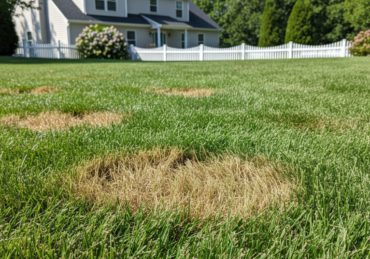
A healthy lawn doesn’t just depend on watering and mowing. Sometimes, even well-maintained grass can develop issues that lead to discoloration, thinning, or dead patches. In many cases, these problems are caused by lawn diseases.
Lawn disease occurs when harmful organisms take advantage of the right conditions and begin affecting your turf. While these pathogens are often already present in the soil, they only become active when several factors align.
Understanding what triggers lawn disease and how to recognize early symptoms can help you protect your lawn and keep it looking its best.
What Causes Lawn Disease?
Lawn disease develops when three key factors come together: a vulnerable lawn, an active pathogen, and favorable environmental conditions.
A Susceptible Lawn
Not all grass types respond to disease the same way. Some varieties are naturally more resistant, while others are more prone to specific issues.
For example, certain cool-season grasses may struggle during hot, humid periods, while others recover more quickly after stress. Choosing the right grass type for your region and maintaining proper care can reduce the risk of disease over time.
A Pathogen
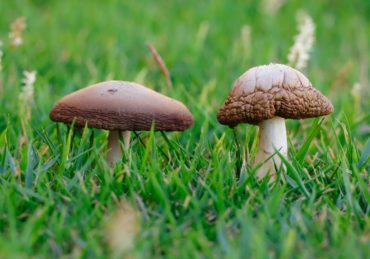
Most lawn diseases are caused by fungi, although other organisms can sometimes be involved.
These pathogens spread through spores that move by wind, water, or even foot traffic. When conditions are right, they can quickly take hold and spread across the lawn.
Fungal activity tends to increase in environments where moisture lingers and airflow is limited.
Favorable Conditions
Environmental factors play a major role in disease development.
Warm temperatures, high humidity, excess moisture, and compacted soil all create conditions where disease can thrive. Lawns with poor drainage or heavy thatch buildup are especially vulnerable.
When these conditions persist, even a healthy lawn can begin to show signs of stress or infection.
Common Lawn Diseases and How to Identify Them
Lawn diseases can appear in several ways, from small spots on grass blades to large discolored patches. Identifying symptoms early can help limit damage and speed up recovery.
Here are some of the most common lawn diseases:
Snow Mold (Early Spring)
Common in: Cool-season grasses
Signs: Flattened, pale or matted grass after snow melts
Snow mold develops under snow cover or in cold, damp conditions. Affected areas can range from small patches to larger sections of the lawn.
What helps: Light raking in spring, proper fall mowing height, and improving airflow through aeration.
Red Thread (Spring)
Common in: Ryegrass, bluegrass, fescues
Signs: Pink or red thread-like growth on grass blades
This disease often appears during cool, wet weather and is easy to spot due to its color.
What helps: Balanced fertilization, reducing excess moisture, and improving soil conditions.
Dollar Spot (Late Spring to Early Summer)
Common in: Many grass types
Signs: Small, light-colored patches that may merge together
Dollar spot is most active when temperatures begin to rise and moisture levels remain consistent.
What helps: Proper watering habits, adequate nitrogen levels, and improved airflow through mowing and aeration.
Brown Patch (Summer)
Common in: Tall fescue, ryegrass, bluegrass
Signs: Circular brown areas, often with darker edges
This disease thrives in hot, humid weather and can spread quickly if conditions remain favorable.
What helps: Avoid watering at night, improve drainage, and maintain good airflow.
Rust (Fall)
Common in: Ryegrass and bluegrass
Signs: Orange or yellow powder on grass blades
Rust typically appears when grass growth slows and moisture levels stay high.
What helps: Regular mowing, proper fertilization, and reducing excess moisture.
Leaf Spot (Spring and Summer)
Common in: Bluegrass, ryegrass, bermudagrass
Signs: Dark spots on grass blades that can lead to thinning areas
Leaf spot often develops when cool, wet conditions transition into warmer weather.
What helps: Adjust watering practices, avoid excessive nitrogen, and improve drainage.
Powdery Mildew (Spring through Fall)
Common in: Shaded lawns
Signs: White or gray powder-like coating on grass
This disease is most common in areas with poor air circulation and limited sunlight.
What helps: Increase sunlight exposure, improve airflow, and reduce moisture buildup.
How to Prevent Lawn Disease
While not every issue can be avoided, good lawn care habits go a long way in reducing the risk of disease.
Water Properly
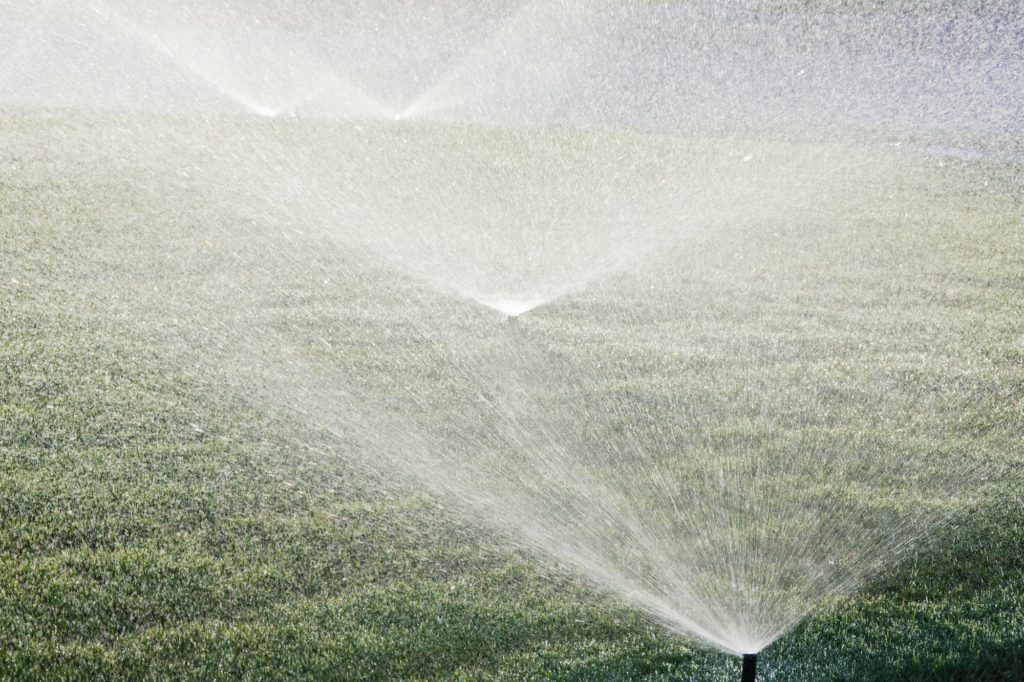
Water early in the day so grass can dry before evening. Deep, less frequent watering helps develop stronger roots and reduces surface moisture.
Mow at the Right Height
Avoid cutting grass too short, as this can weaken it. Keep mower blades sharp and vary mowing patterns to reduce stress and soil compaction.
Aerate the Soil
Aeration improves airflow, reduces compaction, and helps water move through the soil more effectively. This creates a healthier environment for roots.
Fertilize Correctly
Balanced nutrients support strong growth. Too much or too little fertilizer can increase the risk of disease, so it’s important to apply the right amount.
Manage Thatch
Excess thatch traps moisture and limits airflow. Keeping it under control helps reduce the conditions where fungi thrive.
How to Treat Lawn Disease
There isn’t a single solution that works for every lawn disease. Treatment depends on the cause, the grass type, and the environment.
In many cases, improving basic lawn care practices can slow or stop disease development.
- Adjust watering to avoid excess moisture
- Maintain proper mowing habits
- Improve soil conditions through aeration
- Overseed with more resilient grass varieties when needed
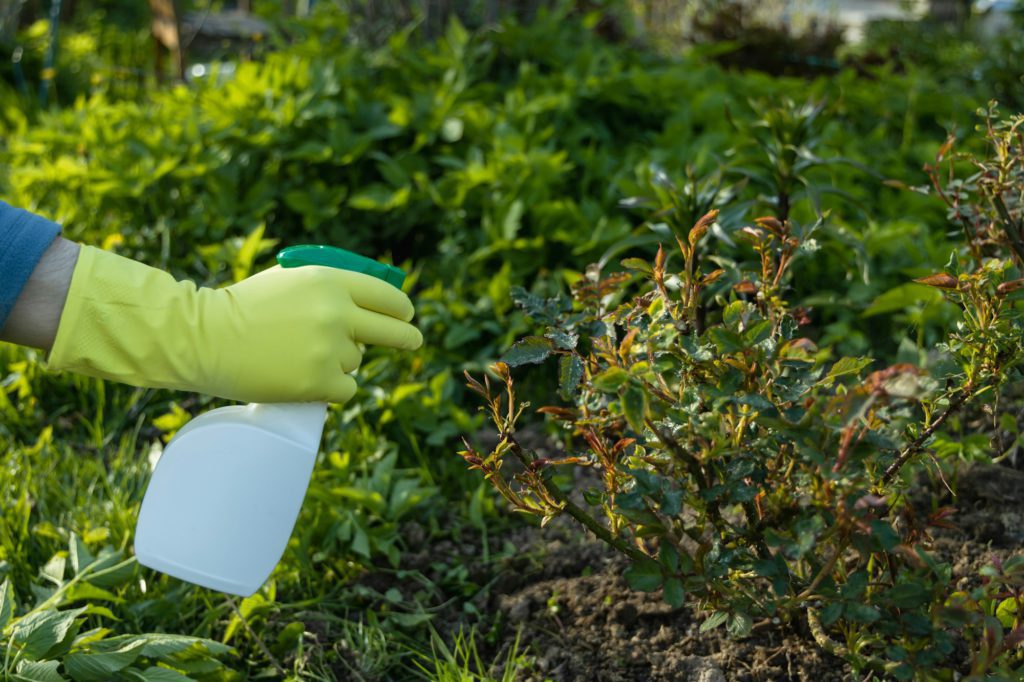
Fungicides may be used in more severe cases, but they’re often most effective when applied before a disease spreads.
Why Acting Early Matters
Catching lawn disease early can make a big difference in how well your lawn recovers.
When problems are addressed quickly, you can:
- Limit the spread of damage
- Help grass recover faster
- Avoid larger repair projects later
- Maintain a thicker, healthier lawn
Waiting too long can lead to larger bare patches and additional issues like weeds or pests moving in.
Keep Your Lawn Healthy and Resilient
Lawn diseases can be frustrating, but they’re often manageable with the right approach.
By paying attention to early signs and maintaining consistent lawn care habits, you can reduce the risk of disease and keep your grass looking strong throughout the season.
If you’re unsure what’s affecting your lawn, LawnGuru makes it easy to connect with local lawn care professionals who can diagnose the issue and recommend the right solution. And with the Guru Guarantee, you can book with confidence knowing we’ll make it right if something doesn’t meet expectations.
Taking action early and maintaining proper care can help your lawn stay green, full, and resilient year-round.