
Quick Answer: Dethatching is removing the layer of dead grass stems, roots, and organic debris (thatch) that builds up between your soil and your green grass blades. A little thatch is fine, even helpful, but once it gets past about half an inch on most lawns, it starts blocking water, air, and fertilizer from reaching the roots. You dethatch by raking or machine-cutting through that layer and pulling it out, and you do it while the grass is actively growing (spring or fall for most lawns) so it can recover. Not every lawn needs it. Some grass types barely produce thatch at all.
You dig your fingers into the grass expecting soil and hit something spongy instead, a thick, felty mat that isn’t quite dirt and isn’t quite grass. That’s thatch, and it’s the reason your lawn might be soaking up water like a sponge, staying damp for days, or just not greening up the way it used to no matter how much you fertilize.
Dethatching is how you deal with it. Here’s what it involves, whether your lawn even needs it, and what to do once the thatch is gone.
What Is Dethatching?

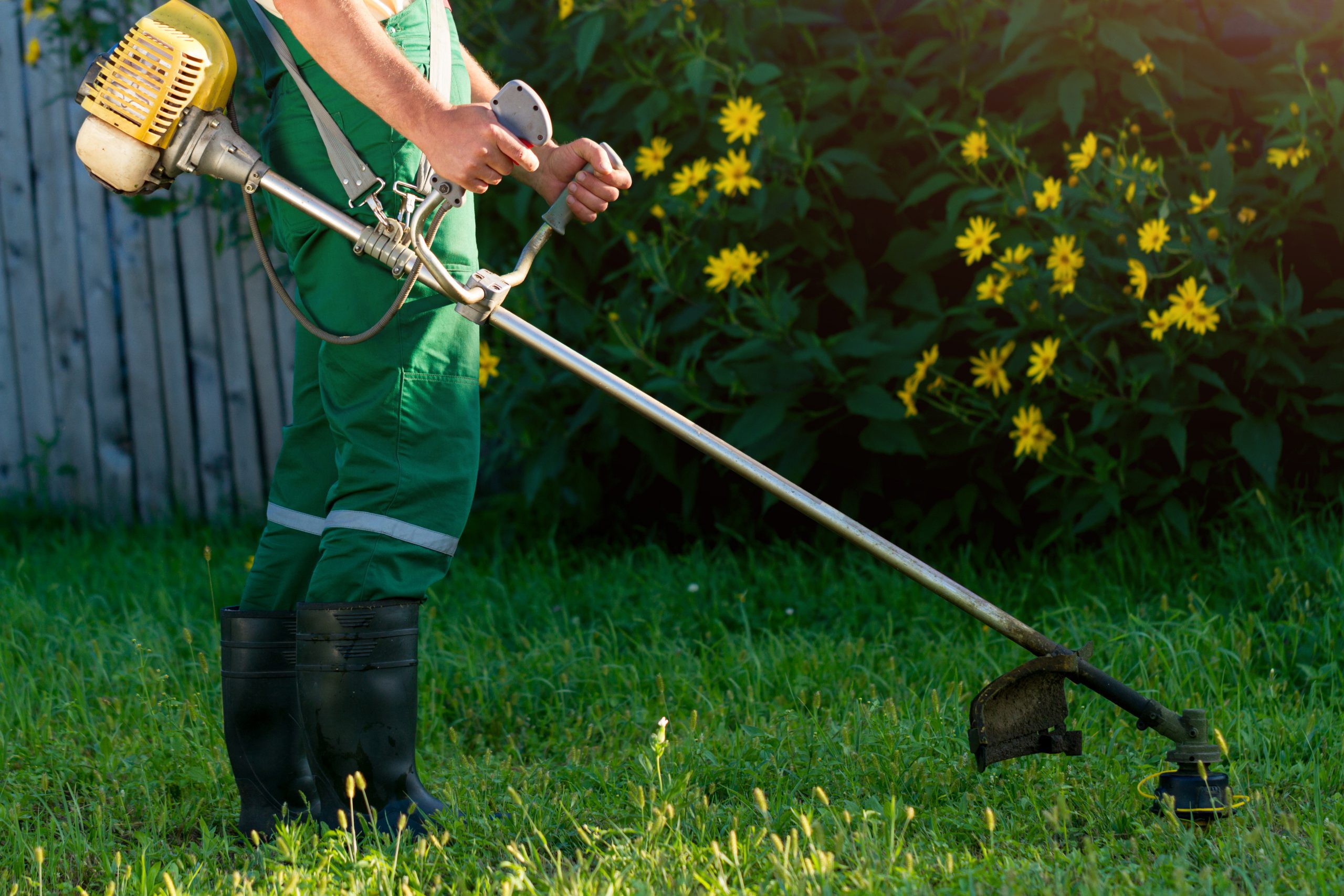
Dethatching means physically removing thatch, the tightly packed layer of dead stems, roots, and organic matter that builds up between your soil and the green part of your lawn, according to Purdue University’s turf program. You do it with a rake, a power rake, or a vertical mower that cuts down through the thatch and drags it to the surface, where you rake it up and haul it away.
It’s not the same thing as raking leaves off your lawn in the fall. Regular raking clears surface debris. Dethatching goes into the thatch layer itself, which sits below the visible grass, so you generally need a tool built for it rather than a leaf rake.
It’s also not aeration, even though people mix the two up constantly. Aeration pulls small plugs of soil out of the ground to relieve compaction. Dethatching removes organic matter sitting on top of the soil. They solve related but different problems, more on that later.
Signs Your Lawn Needs Dethatching
Most lawns don’t need dethatching every year, so before you rent equipment, check for the real signs. According to Penn State Extension, thatch becomes a problem once it passes about half an inch, and turfgrass specialist Peter Landschoot notes that at an inch or more, preventative fixes stop working and you have to physically remove it.
Here’s what to look for:
Your lawn feels spongy or springy underfoot, almost like walking on a mattress. Water pools on the surface or runs off instead of soaking in, even right after you water. Grass looks thin or patchy despite a normal watering and fertilizing schedule. Roots look shallow when you dig a small plug, sometimes growing sideways into the thatch itself instead of down into soil.
The most reliable check is the plug test. Cut a wedge two to three inches deep, and look at the cross-section. If there’s a distinct brown, fibrous layer between the soil and the green grass thicker than about half an inch, that’s your answer.
Which Grasses Get Thatch Problems (and Which Don’t)
Not every grass produces thatch at the same rate, and knowing your grass type tells you whether any of this even applies to your yard.
Kentucky bluegrass, creeping red fescue, and creeping bentgrass spread through underground rhizomes and stolons, and that aggressive growth habit is exactly what builds thick thatch over time. Perennial ryegrass and tall fescue, on the other hand, grow in bunches rather than spreading, so per Purdue’s turf program, they “rarely develop a thatch problem” at all. If your lawn is mostly tall fescue, dethatching may just not be something you ever need to schedule.
Warm-season grasses split a similar way. Bermudagrass and zoysiagrass are vigorous spreaders and build up thatch fast. Buffalograss and centipedegrass are the opposite, and Oklahoma State University Extension specifically notes both “rarely develop thick thatch.” St. Augustine and centipede grass spread mainly through surface stolons, which a power rake or vertical mower can tear apart rather than just clean up, so mechanical dethatching on those lawns needs a much lighter touch than the standard advice assumes, if you do it at all.
Why Thatch Builds Up in the First Place
Thatch forms because your grass produces dead organic material faster than the soil underneath can break it down. About a quarter of that material is lignin, a compound in stems, crowns, and roots that naturally resists decay, which is a big part of why thatch accumulates even on lawns that seem otherwise healthy.
A few things speed that process up. Overwatering and heavy nitrogen fertilizer push grass to grow faster than it decomposes. Compacted soil chokes off the air and microbial activity that would normally break the debris down. Acidic soil, generally below a pH of 5.5, slows those same decomposer microbes even further. Grass clippings, despite the reputation, are usually not the culprit. They’re mostly water and break down quickly on their own, as long as you’re mowing often enough that you’re not leaving thick clumps behind.
When to Dethatch
Timing matters because dethatching stresses the grass, and you want it to happen while your lawn can bounce back fast, not while it’s already struggling.
For Kentucky bluegrass, Purdue recommends spring (April) or fall (September), and specifically never in summer. Zoysiagrass is the opposite: dethatch it in summer, while it’s actively growing. For most other cool-season lawns, Penn State Extension leans toward late summer into early fall over spring, since cooler temperatures reduce injury risk and, unlike spring dethatching, you’re not opening up bare soil right when crabgrass and other weeds are germinating.
Whatever your grass type, skip dethatching if the lawn is dormant, drought-stressed, or dealing with extreme heat. You want at least four to six weeks of good growing weather ahead so the grass has time to fill back in. If your timing window has already passed for this year, our guide on when to dethatch your lawn breaks down the exact windows by region.
How to Dethatch Your Lawn
Start by mowing about half your normal height, which exposes the thatch layer and makes it easier for the tool to reach it. Water a day ahead of time too. Slightly moist soil is easier to work through than bone-dry or soaked ground.
From there, your options scale with lawn size and thatch severity:
A manual dethatching rake, with its curved, sharp tines, works fine for small lawns with light thatch, under an inch or so. It’s cheap and slow, and it’s real physical work.
An electric dethatcher or power rake handles medium to large lawns with moderate thatch, roughly half an inch to an inch and a half. These rent for somewhere around $75 to $80 for electric models and about $80 for gas power rakes, based on typical rental listings.
A vertical mower, also called a verticutter, is the heavy-duty option for severe thatch on larger lawns. Worth knowing here: Purdue specifically recommends dethatchers with knives or blades over the flexible, spring-tine style rakes some stores sell, precisely because the blade type cuts more effectively. If you’re overseeding afterward, our guide to verticutting and vertical mowing covers the setup in more detail.
Once the thatch is loose, rake it up and compost or bag it. Don’t leave it sitting on the lawn. It’ll block light and undo most of what you just did.
One thing almost nobody mentions: if your thatch layer is over an inch thick, Purdue’s own guidance says a dethatcher isn’t really the right tool anymore. At that point you’re better off with a sod cutter and full reestablishment, because repeated dethatching passes on that much buildup tear out more living grass than they save.
What to Do After Dethatching
Your lawn is going to look rough right after dethatching, thinner, a little torn up, sometimes almost bare in spots. That’s normal, not a sign something went wrong.
Water deeply to help the remaining grass recover, and this is also the ideal moment to overseed any thin spots, since the exposed soil gives new seed much better contact than it would get pushing through an intact lawn. Our guide to overseeding a lawn walks through timing and seed selection if you’re doing that at the same time.
Hold off on regular fertilizer for a bit. A starter fertilizer is fine, since it supports root development, but heavy nitrogen right after dethatching pushes leafy growth when the plant should be focused on repairing roots.
Most lawns need two to six weeks to recover, depending on grass type, how much thatch came out, and the weather. You should see new growth within the first one to two weeks if conditions are decent.
How to Keep Thatch From Coming Back
Once you’ve dethatched, a few habits go a long way toward not doing it again next year. Water deeply but less often, aiming for the soil to dry out a bit between waterings, rather than a light daily sprinkle that keeps the surface constantly wet. Stick to moderate nitrogen fertilizer rather than heavy, fast-release applications, since excess nitrogen is one of the main things that pushes grass to outgrow what your soil can decompose. Mow regularly enough that you’re never removing more than a third of the blade in a single cut, and keep your mower blade sharp. Test your soil every few years, since correcting an acidic pH with lime helps the microbes that break down thatch do their job. And if compaction is part of the problem, annual core aeration handles that directly and, over a few seasons, can noticeably slow thatch buildup on its own.
Is It Better to Aerate or Dethatch?

Depends on which problem you actually have. Aeration pulls small plugs of soil to relieve compaction and works on the ground itself. Dethatching removes organic debris sitting above the soil. If your issue is genuinely compacted soil rather than thatch, aeration alone can help, and done annually it can even reduce existing thatch over a few seasons without ever needing a dethatcher.
If you’ve confirmed a real thatch layer through the plug test, dethatching first, then aerating afterward, is the combination most turf programs recommend since aeration afterward helps the lawn recover faster. Our full breakdown of aeration versus dethatching goes deeper on which one your specific lawn needs.
How Often Should You Dethatch?
Not as often as people assume. Most healthy lawns only need dethatching every two to three years, and depending on your grass type and soil, some lawns genuinely never need it. If you’re dethatching every single spring out of habit rather than because you checked for a real thatch layer, you’re probably doing more harm than good, tearing up healthy grass that didn’t need the treatment in the first place.
DIY or Hire a Pro?
A manual rake and a weekend covers small lawns with light thatch just fine. Once you’re renting power equipment for a larger yard, or your thatch layer is pushing past an inch, the math starts to shift. Between the rental cost, the physical effort, and the risk of over-dethatching a lawn that needed a lighter touch, a lot of homeowners land on hiring it out instead. Our dethatching cost guide breaks down typical pricing so you can compare.
If you’d rather skip the rental counter entirely, LawnGuru connects you with local lawn care pros who handle dethatching with the right equipment for your grass type, and you can book it online in a few minutes.
FAQ
Is dethatching the same as raking?
No. Regular raking clears surface debris like leaves. Dethatching reaches into the thatch layer itself, below the visible grass, using a rake or machine built specifically to cut through it.
Will my grass grow back after dethatching?
Yes, in most cases, within two to six weeks if you dethatched during an active growing period and followed up with water and light fertilizer. Grass that was already stressed or dormant when dethatched recovers slower and sometimes not fully.
When should you not dethatch a lawn?
Skip it during dormancy, drought, or extreme heat, and skip it in summer for cool-season grasses specifically. Dethatching stresses the plant, and stressed or dormant grass can’t recover from that stress the way actively growing grass can.
Can dethatching hurt my lawn?
It can, mainly if you do it at the wrong time, too aggressively, or on a lawn that didn’t actually have a thatch problem to begin with. That’s why the plug test matters more than a habit of dethatching every spring regardless.