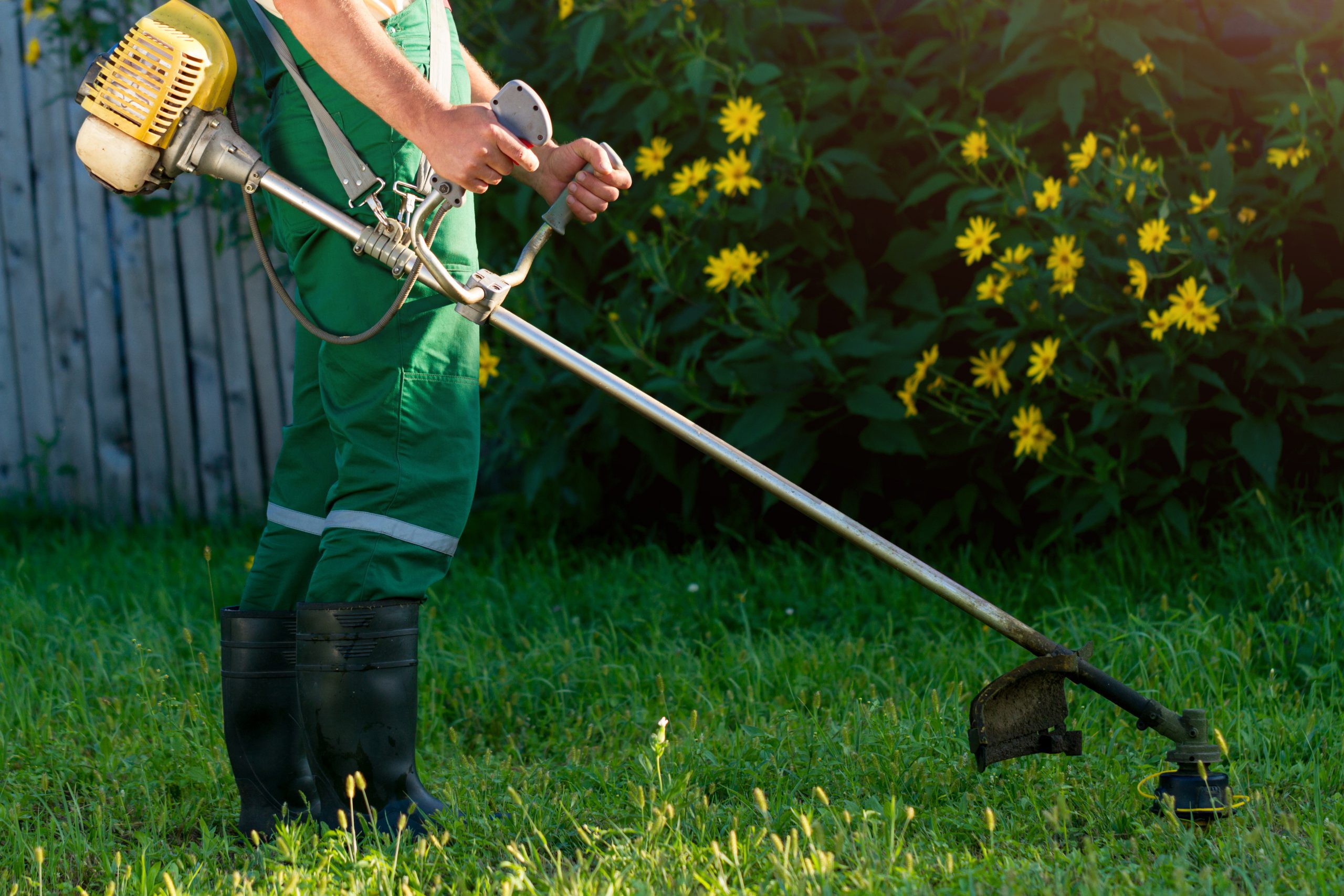

If your lawn feels spongy underfoot, drains poorly, or just looks tired no matter how much you water and mow it, the fix is either aeration or dethatching, and picking the wrong one wastes a weekend without solving the actual problem. Lawn aeration vs dethatching is one of the most commonly confused pairings in lawn care, and the confusion is understandable: both processes involve breaking into the lawn’s surface, both are usually done in spring or fall, and both genuinely improve a struggling lawn. But they treat two completely different problems. Homeowners comparing aeration vs dethatching lawn treatments for the first time usually just need a clear answer for their specific yard, not a lecture on turf science.
This guide breaks down exactly what each process does, how to tell which one your lawn needs, whether you should do both, and when.
Quick Answer: Aeration relieves compacted soil by pulling small plugs out of the ground, improving water, air, and nutrient flow to the roots. Dethatching removes a buildup of dead organic matter (thatch) sitting on top of the soil, which is a separate problem from compaction. If your lawn has compacted soil, aerate. If it has a thatch layer thicker than 1/2 inch, dethatch. If it has both problems, which is common on neglected lawns, dethatch first, then aerate.
What Does Lawn Aeration Actually Do?

Lawn aeration uses a machine called a core aerator to pull small plugs of soil (about 1/2 inch wide and 2 to 3 inches deep) out of the lawn and leave them on the surface to break down naturally. The holes left behind give water, air, and nutrients a direct path down to the root zone instead of pooling or running off compacted ground.
Aeration is the right call when the underlying problem is soil compaction, not surface debris. Compaction happens from foot traffic, mowing with heavy equipment, clay-heavy soil, or new construction where the topsoil was compressed by machinery. A compacted lawn drains poorly, resists a screwdriver pushed into the ground more than 2 inches, and often has thinning grass in high-traffic paths even when watering and fertilizing look right on paper. For the full step-by-step process, how to aerate your lawn covers equipment options and technique in more detail.
What Does Dethatching Actually Do?

Dethatching uses a specialized rake or a powered dethatcher (also called a vertical mower or power rake) to physically pull up thatch, the layer of dead stems, roots, and organic debris that builds up between the soil surface and the green grass blades.
A thin layer of thatch, under 1/2 inch, is actually normal and even beneficial, acting as a bit of insulation and moisture retention. The problem starts once that layer exceeds 1/2 inch. At that thickness, thatch blocks water, air, and nutrients from reaching the soil the same way a compacted layer does, but the cause is organic buildup on top of the ground rather than compressed soil underneath it. What is lawn thatch and when to dethatch covers how to check your thatch depth with a simple wedge-cut test.
Aeration vs. Dethatching: Side-by-Side Comparison
| Aeration | Dethatching | |
|---|---|---|
| Problem it solves | Compacted soil | Excess thatch (over 1/2 inch) |
| How it works | Pulls small soil plugs to the surface | Pulls up dead organic debris with tines |
| Tool | Core aerator (plug or spike) | Dethatcher, power rake, or hand rake |
| Typical frequency | Once a year, or twice for heavy clay | Only when thatch actually exceeds 1/2 inch, not annually by default |
| Risk if done unnecessarily | Low, minimal stress on healthy turf | Can tear out healthy grass along with thatch, especially on thin lawns |
| Pairs well with | Overseeding (holes improve seed-to-soil contact) | Nothing directly; usually followed by aeration if soil is also compacted |
A few things worth pulling out of this table: aeration carries very little downside even if your soil turns out not to be that compacted, which is why lawn care pros default to it as the safer starting point when they’re not sure. Dethatching is the more aggressive intervention of the two, since a powered dethatcher can genuinely rip out healthy grass along with the thatch on a thin or stressed lawn. That’s a real reason not to dethatch reflexively just because a lawn looks tired.
Which Grass Types Are Most Prone to Thatch Buildup?
Not every lawn accumulates thatch at the same rate, and knowing your grass type is a faster way to guess which problem you’re more likely dealing with before you even check.
Grasses that spread through rhizomes (underground stems) or stolons (above-ground runners) produce thatch faster because those spreading structures don’t break down quickly. Kentucky bluegrass, bermudagrass, and zoysiagrass are the three most common thatch-prone species in American lawns for exactly this reason.
Bunch-type grasses that grow in clumps rather than spreading, like tall fescue and perennial ryegrass, produce comparatively little thatch and rarely need dethatching at all. If your lawn is a tall fescue or fescue-blend lawn and it’s struggling, compacted soil is the far more likely culprit, and aeration should be the first thing you try.
Lawn Aeration vs. Dethatching: Which One Does Your Lawn Actually Need?
If you’re still stuck on lawn aeration vs dethatching which to choose, run through these three checks in order, and the answer is usually clear by the second one.
First, check for compaction. Push a screwdriver into the soil in a few spots around the yard. If it goes in easily to 2 to 3 inches, compaction isn’t your problem. If it takes real effort or stops well short of that depth, your soil is compacted and aeration is the fix.
Second, check thatch depth. Cut a small wedge of turf, about 2 inches deep, in two or three spots. Measure the brown, spongy layer between the green grass and the soil. Under 1/2 inch is normal. Over 1/2 inch means dethatching is warranted.
Third, check your grass type against traffic and history. A Kentucky bluegrass, bermuda, or zoysia lawn that hasn’t been dethatched in several years is a strong candidate for thatch buildup even before you cut a test wedge. A high-traffic lawn on clay soil, regardless of grass type, is a strong candidate for compaction.
Most lawns fail one test, not both. A lawn that fails both, usually an older, neglected lawn with a thatch-prone grass type, needs both treatments, in a specific order covered next.
Can You Aerate and Dethatch on the Same Day?
Yes, but the order matters: dethatch first, then aerate. Dethatching first clears the thick organic layer off the surface so the core aerator’s tines can actually reach and penetrate compacted soil instead of just punching through matted thatch. Aerating first, when thatch is heavy, leaves the compaction problem only partially addressed underneath a layer the aerator couldn’t fully break through.
If your lawn only fails one of the two checks above, there’s no reason to do the other. Dethatching a lawn that doesn’t have excess thatch adds unnecessary stress and risks tearing out healthy grass for no benefit. Aerating a lawn that isn’t compacted is lower-risk but still not a productive use of a weekend if soil structure isn’t actually the problem.
Best Time of Year for Each, by Grass Type
Timing depends more on your grass type’s growing season than on the calendar month alone, since both processes work best when the lawn is actively growing and can recover quickly.
| Grass Type | Best Time to Aerate | Best Time to Dethatch |
|---|---|---|
| Cool-season (bluegrass, fescue, ryegrass) | Early fall, or spring as a second choice | Early spring, before the growing season ramps up |
| Warm-season (bermuda, zoysia, St. Augustine) | Late spring to early summer, once the grass is actively growing | Late spring to early summer, same active-growth window |
Aerating or dethatching a dormant lawn, cool-season grass in the peak of summer heat or warm-season grass in winter, gives the turf no ability to recover and heals over the disturbed soil or thatch far more slowly, sometimes leaving bare patches through an entire dormant season. Best time to aerate lawn and when is the best time to dethatch your lawn both break down exact regional windows in more depth.
DIY Cost vs. Hiring a Lawn Care Pro
Both jobs can be done yourself with a rented machine, but the calculation is different for each.
Aeration equipment is straightforward to rent and use correctly with minimal risk, which makes DIY a reasonable option for a comfortable, flat yard. Lawn aeration cost breaks down typical pricing for both the DIY rental route and hiring a pro.
Dethatching is the one where DIY carries more real risk, since a powered dethatcher run too aggressively, or on a thinner lawn than expected, can strip out healthy turf along with the thatch and leave more bare ground than you started with. Dethatching cost covers what to expect either way.
If sorting out which one your lawn actually needs (or confirming it needs both) sounds like more guesswork than you want to do yourself, LawnGuru connects you with local lawn care pros who offer aeration and dethatching as separate, bookable services, so you’re not stuck renting the wrong machine for the actual problem. You can compare quotes and book online in minutes.
What Happens If You Skip One When You Need Both
Skipping dethatching when thatch is genuinely over 1/2 inch means aeration alone won’t fully solve the problem. The aerator will still pull some thatch up with the soil plugs, but a thick mat left largely intact continues blocking water and nutrients in the areas between aeration holes, so the lawn keeps struggling even after a proper aeration pass.
Skipping aeration when soil is genuinely compacted, even after dethatching clears the surface layer, means water and nutrients still can’t penetrate the compacted ground underneath. Homeowners sometimes dethatch, see a short-term improvement as the surface debris clears, and then wonder why the lawn is struggling again a few months later. That pattern is a strong sign the actual root problem was compaction the dethatching never touched. According to University of Minnesota Extension, aggressive thatch accumulation is often tied to over-fertilization and infrequent, shallow watering, both of which are worth addressing regardless of which mechanical treatment you choose, since neither aeration nor dethatching fixes the underlying cultural practices that caused the buildup in the first place.
Frequently Asked Questions
Can I skip dethatching if I aerate my lawn?
Only if your thatch layer is already under 1/2 inch. Aeration does pull up a small amount of thatch along with the soil plugs, but it isn’t designed to remove a thick mat. If a wedge test shows more than 1/2 inch of thatch, aeration alone will leave the core problem largely in place.
What month should I dethatch my lawn?
For cool-season grasses, early spring, before summer heat stresses the lawn, is the standard window. For warm-season grasses, late spring to early summer, once the grass has fully greened up and is actively growing, works best. Dethatching a dormant lawn in either category slows recovery significantly.
When should you not aerate your lawn?
Avoid aerating a dormant lawn (cool-season grass in peak summer heat, or warm-season grass before it’s greened up in spring), a newly seeded or sodded lawn under about one year old, or soil that’s either bone dry or waterlogged, since the aerator can’t pull clean plugs from either extreme.
What are the downsides to aerating?
Aeration is low-risk overall, but it does leave visible soil plugs on the surface for one to two weeks, temporarily makes the lawn look rougher, and is not effective on its own if the actual problem is thatch rather than compaction.