If your lawn struggles with patchy growth, yellowing grass, or weeds that keep coming back, the problem might be in your soil. Many lawns in the U.S. have acidic soil that locks up nutrients, making fertilizer less effective. That’s where lime comes in.
Lime helps rebalance your soil pH, making it easier for grass to thrive. But the timing has to be right, especially in climates like the Northeast. Applying it too early, too late, or under the wrong conditions can waste your effort.
The best time to apply lime is in the fall or early spring, when soil is moist but not frozen. In the Northeast, fall is ideal because the soil stays warmer longer, giving lime time to activate before winter sets in. Always test your soil’s pH first, if it’s below 6.0, your lawn may benefit from lime.
Why Lime Matters for Your Lawn
Lime is used to raise soil pH, which is especially helpful in lawns with acidic soils. When pH drops too low, nutrients like nitrogen and phosphorus become harder for grass roots to absorb, even if you’re fertilizing regularly.
Most lime products used on lawns are made from finely ground limestone (calcium carbonate) or dolomitic lime (which also adds magnesium). The goal isn’t to “green up” your lawn instantly, it’s to correct the pH so everything else works better.
How to Tell If It’s Time for Lime
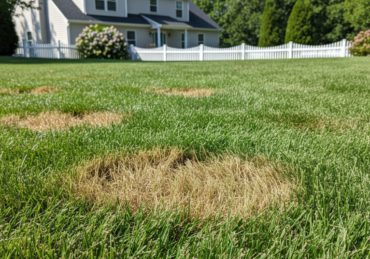
You won’t always see obvious signs of acidic soil, but there are some hints. Grass that grows poorly even after fertilizing, lots of moss or clover, or sections of lawn that yellow out in patches could all be signals.
A soil pH test is the only way to be sure. Most grass types prefer a pH between 6.2 and 7.0. If your soil is under 6.0, it’s likely too acidic for strong growth.
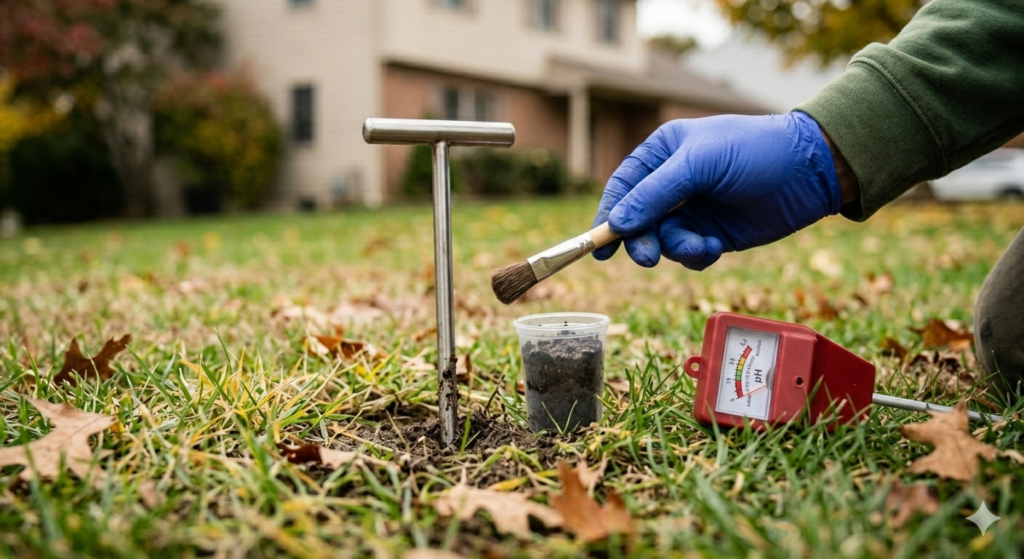
Here’s a quick guide to help you decide:
Lawn Signs and the Best Time to Lime
| Lawn Sign | Likely Cause | Best Timing | Notes |
|---|---|---|---|
| Yellowing grass, patchy growth | Acidic soil | Fall or early spring | Do a soil pH test to confirm |
| Weeds like clover and moss | Low pH | Fall preferred | Lime helps over months, not days |
| Poor fertilizer response | Nutrient lock-up | Spring if soil workable | Avoid frozen or saturated ground |
| pH below 6.0 (confirmed by test) | Acidic soil confirmed | Fall (Northeast) | Soil still warm helps lime activate |
Best Timing for Lime Application (By Region)
Fall and early spring are generally the best times to apply lime because soil moisture is steady and temperatures are mild. This gives lime time to work into the soil naturally without being washed away.
Avoid summer, when heat and drought can stress your lawn. Winter can also be tricky unless the ground is still workable and not frozen.
Here’s the general rule:
- Fall: Ideal for most lawns. Soil stays warm, and rain helps lime absorb slowly.
- Early Spring: Good choice if fall was missed, but apply before the soil dries out.
Times to Hold Off or Wait
There are several situations when liming your lawn could do more harm than good.
- Frozen ground: Lime can’t work into the soil and may wash away.
- Heavy rain expected: Runoff can carry lime off the lawn.
- Drought stress: Grass can’t recover well during hot, dry periods.
- Just seeded: Lime can interfere with new seed if applied too heavily.
- Fertilizer recently applied: Some fertilizers and lime shouldn’t go down together, check labels or wait a few weeks.
If in doubt, test your soil and wait for more stable conditions.
A Simple Step-by-Step Plan
Lime application isn’t complicated, but there’s a smart order to follow:
- Test your soil for pH using a DIY kit or send a sample to a lab.
- Choose the right lime type, pelletized is easiest for spreaders.
- Check the forecast for mild, dry weather over the next few days.
- Mow your lawn to normal height and remove excess debris.
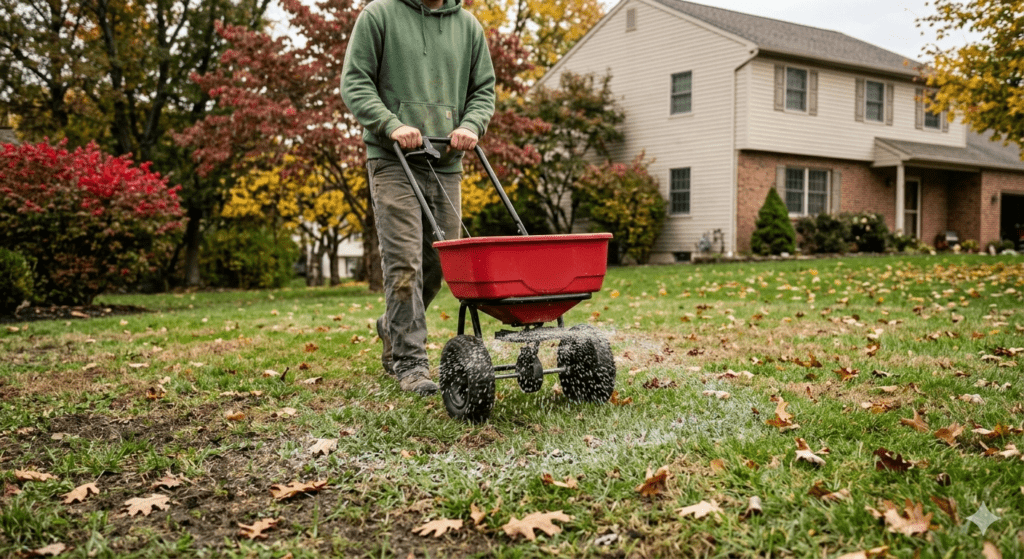
- Apply lime evenly using a broadcast or drop spreader.
- Water lightly if no rain is expected within 24 hours.
- Wait 1–2 months before retesting pH or applying more.
The Small Things That Make a Big Difference
After liming, it’s not about dramatic short-term results. Lime changes happen gradually. But a few small habits will help it work better:
- Keep mowing on schedule. Normal mowing helps lime work in.
- Water during dry weeks. Lime needs moisture to activate.
- Avoid compacting the soil. Minimize foot traffic for a few days.
- Retest your soil. Wait at least 6–8 weeks before checking results.
Keeping up these habits makes your soil more balanced and helps your lawn use other nutrients efficiently.
FAQs About Lawn Lime Timing
Can I apply lime and fertilizer at the same time?
Not always. Some fertilizers don’t mix well with lime. If you’re unsure, it’s safer to wait a few weeks between applications.
What happens if I apply lime too late in fall?
If the ground freezes soon after, lime may not break down until spring. It’s not wasted, but it won’t help immediately.
Do I need to lime every year?
Only if your soil stays acidic. Many lawns need lime every 2–3 years. Always test first.
Is it bad to lime right before heavy rain or snow?
Yes. Rain can wash away lime before it starts working. Try to apply during dry, mild stretches.
Does lime help grass grow right away?
No. Lime improves soil pH gradually over weeks or months. It sets the stage for better results, not instant green-up.
Should I lime if I’m planning to seed soon?
Yes, but apply it at least a week before seeding. That gives the soil time to adjust and lowers the risk of interfering with seed germination.
What’s the risk of applying too much lime?
Over-liming can push your pH too high, causing nutrient imbalances. Stick to recommended amounts based on a soil test.
What Timing Advice Matters Most for Lime?
Lime only works when your lawn actually needs it, and when the soil is ready to absorb it. Don’t rely on the calendar alone. Watch for signs, test your soil, and aim for fall if you’re in the Northeast. If you missed fall, early spring is your second-best window.
Need a Hand Figuring Out the Right Timing?
Not every lawn needs lime, and not every season is the right time. If you’re not sure when, or whether, to apply it, a second set of eyes can help. LawnGuru makes it easy to get local support from someone who knows how soil behaves where you live.