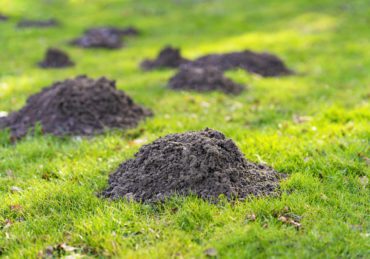
You step into your yard and suddenly notice something strange: small piles of dirt scattered across your lawn. Maybe there’s one near the sidewalk, another by the garden, and a few more popping up across the grass.
At first glance it might seem random, but dirt mounds rarely appear without a reason. In most cases, they are a sign that something underground is digging, tunneling, or building a burrow.
The tricky part is that several different animals and insects can create these piles. Each one leaves slightly different clues, from mound shape to holes in the ground.
In this guide, we’ll explain the most common causes of dirt mounds in lawns, how to recognize them, and what you can do to protect your yard.
Why Dirt Piles Show Up in Lawns
When you see soil pushed up onto the surface of your lawn, it usually means something beneath the ground is moving dirt as it digs.
Animals that tunnel underground often push excess soil out of their burrows. Insects that build nests may also create small piles near entry holes.
The appearance of the mound often reveals what created it. The size, shape, and location of the dirt pile can provide important clues about the culprit.
Learning how to recognize these patterns can help you decide whether the problem is harmless or something that requires action.
Animals and Pests That Cause Dirt Mounds
Several creatures commonly create dirt piles in yards. Identifying which one is responsible makes it easier to determine the right solution.
Moles
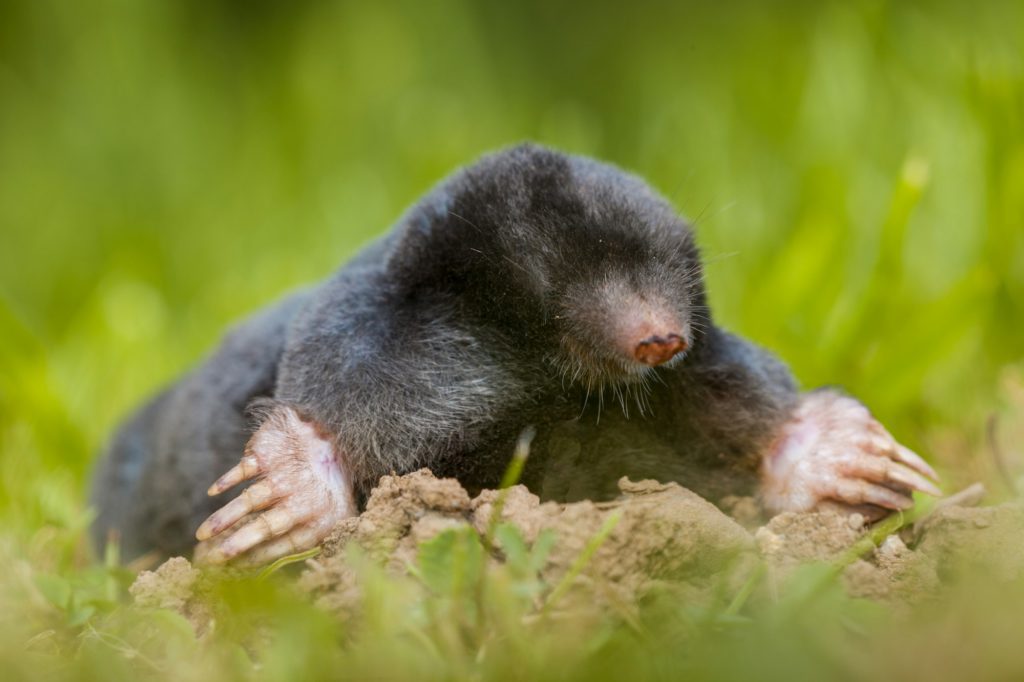
Moles are one of the most frequent causes of dirt mounds in residential lawns. These animals spend most of their time underground searching for earthworms and insects.
As they tunnel, they push soil upward, creating rounded mounds that often resemble small volcanoes.
Signs to look for
- Round mound with loose soil
- No visible hole in the center
- Raised ridges or tunnels running across the lawn
Possible solution
Trapping is often the most reliable way to control mole activity. Reducing the number of grubs in the lawn may also help discourage them.
Voles
Voles are small rodents that resemble field mice. Instead of deep tunnels, they typically create shallow runways just under the grass.
You may notice small holes in the turf along with narrow paths where the grass has been worn down.
Signs to look for
- Small round holes in the lawn
- Thin surface trails through the grass
Possible solution
Traps placed near entry holes or runways are commonly used to manage vole activity.
Crayfish (Crawdads)
In areas with wet soil, crayfish may burrow into lawns. These small crustaceans build distinctive towers of mud near their burrow openings.
Their mounds often resemble narrow chimneys sticking up from the ground.
Signs to look for
- Tall mud chimney with an open hole in the center
- Usually found in damp or low areas of the yard
Possible solution
Improving drainage can reduce conditions that attract crayfish. Severe infestations may require professional help.
Cicada Killer Wasps
Cicada killers are large solitary wasps that dig burrows in the ground during late summer.
Although their size can look intimidating, they are generally not aggressive toward people.
These wasps leave small piles of loose soil near the entrance to their burrows.
Signs to look for
- Round hole in the soil
- Small dirt pile next to the opening
- Large wasps flying low over the lawn
Possible solution
Most of the time these insects can simply be left alone, as they rarely cause serious lawn damage.
Pocket Gophers
Gophers are known for building large underground tunnel systems. As they dig, they push soil to the surface in distinctive fan-shaped piles.
Unlike mole mounds, the tunnel entrance is usually plugged off to one side.
Signs to look for
- Large mound shaped like a fan or crescent
- No visible hole in the middle
- Multiple mounds appearing in clusters
Possible solution
Trapping or baiting is commonly used to control gophers, depending on local regulations.
Rabbits or Other Small Animals
Occasionally, rabbits or other small animals may dig shallow nests in lawns. These usually create only a small mound of loose soil.
Unlike tunneling animals, these nests tend to be isolated rather than appearing throughout the yard.
Signs to look for
- Shallow hole or nest in the grass
- Fur or dried grass inside the nest
Possible solution
If young animals are present, it’s usually best to leave the nest undisturbed until they move on.
Restore Your Lawn’s Appearance
Dirt mounds can make an otherwise healthy lawn look messy and uneven. Identifying what’s causing them is the first step toward fixing the problem.
Once the source is addressed, repairing damaged areas and maintaining regular lawn care can help restore the look of your yard.
If you need help maintaining your lawn or dealing with lawn issues, LawnGuru makes it easy to connect with trusted local lawn care professionals who can help keep your yard looking its best.