When summer hits hard and rain is nowhere to be found, even the greenest lawns can turn to hay. Homeowners walk outside, shake their heads, and wonder how the neighbor’s yard still looks lush. The difference? Grass type. Some grasses survive on almost no water, while others wither fast.
Here’s the good news: with the right turf, you don’t need to fight nature. You just need to pick smarter.
For the most drought resistant lawn, warm-season grasses like Bermudagrass, Buffalograss, and Zoysiagrass handle full sun and dry spells better than most. In cooler regions, turf-type tall fescue and fine fescues are the top choices. Deep roots, slow growth, and heat-adaptive traits make them the best drought tolerant grass options for homeowners who don’t want to water daily.
Best Grasses for Drought and Sun
| Grass Type | Best For | Climate |
|---|---|---|
| Bermudagrass | High traffic, heat, sun | Warm-season |
| Buffalograss | Low maintenance, minimal water | Warm/dry zones |
| Zoysiagrass | Full sun, drought | Warm-season |
| Tall Fescue | Cooler climates, partial shade | Cool-season |
| Fine Fescue | Shade, low water | Cool-season |
When Water’s Scarce, Grass Needs to Be Tough
Lawn sprinklers don’t always keep up with drought. That’s why choosing a grass that thrives in full sun with little water is a smarter long-term solution than fighting nature with your hose.
Drought tolerant grasses succeed by growing deeper roots and going dormant when water is low, bouncing back when rain returns. They also have waxier blades or slower growth, which limits moisture loss.
Reality Check: If you’re reseeding every year because summer heat wipes out your lawn, your grass type is working against you, not with you.
Bermudagrass: Full-Sun Favorite That Handles Heat

In neighborhoods with scorched sidewalks and triple-digit days, Bermudagrass often leads the survival contest.
It’s aggressive, fast-growing, and thrives on heat. Once established, it builds a root system that can stretch over a foot deep, pulling up moisture long after the surface soil dries out.
When it fits: Great for sunny yards in southern states. Not ideal for shady areas or homeowners who want a slow-growing, low-maintenance yard.
What to watch for: Goes fully dormant and brown in cooler months. Needs mowing often in active growth phases.
Buffalograss: The Low-Maintenance Drought Native
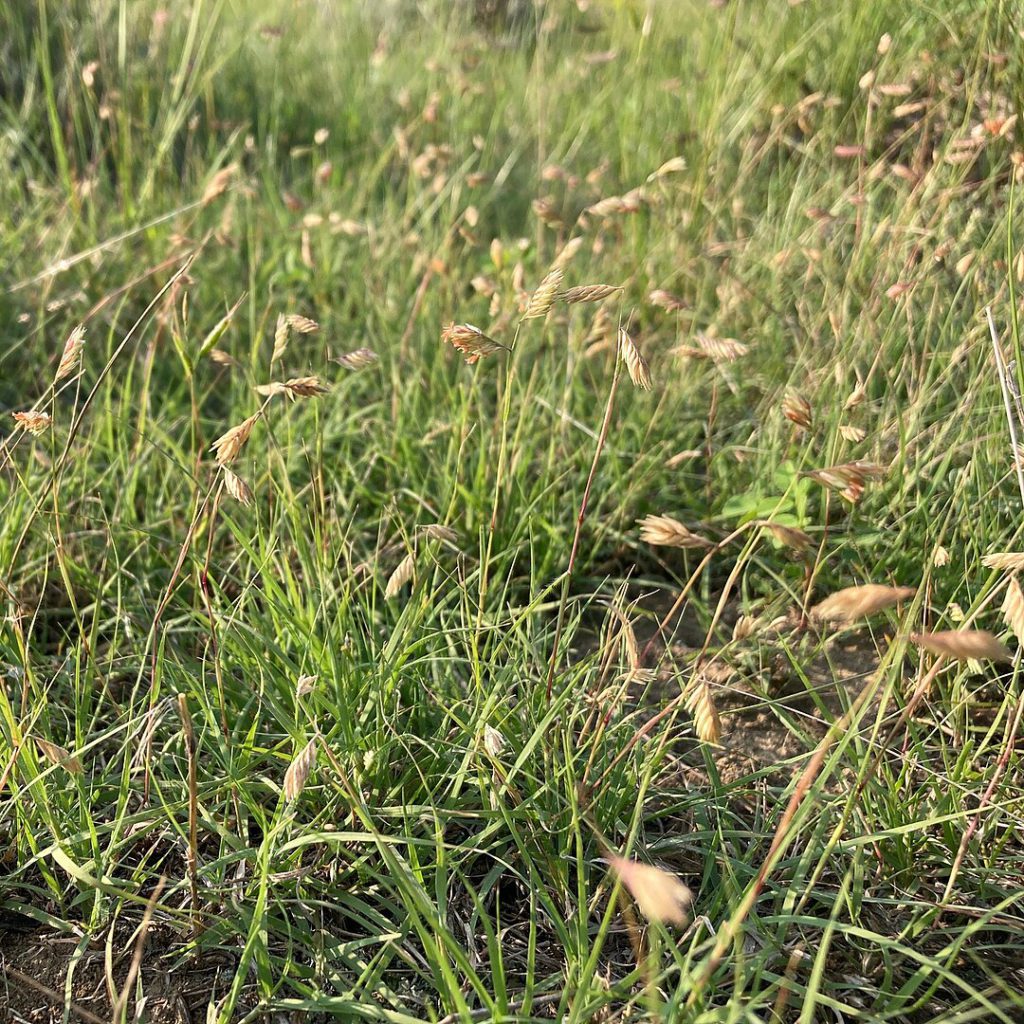
Homeowners tired of feeding and watering a thirsty lawn often turn to Buffalograss for relief. It’s one of the most drought resistant grass species in North America, native to dry plains and known for thriving with less than 20 inches of rain annually.
Why it works: Buffalograss avoids stress by slowing growth during heat, conserving moisture naturally. It also needs less fertilizer than other grasses.
Takeaway: It’s a fit for sunny, open yards where appearance expectations are relaxed. It’s soft underfoot but not as dense as Bermudagrass or Zoysia.
Zoysiagrass: Dense Turf That Can Skip Waterings

Zoysia creates that carpet-like lawn many homeowners love. But what makes it stand out is its drought endurance.
Scenario: You leave town for two weeks in July. With Zoysia, you’re far less likely to come home to straw-colored patches.
Why it holds up: The dense growth crowds out weeds and limits evaporation. It greens up slower in spring but stays thick in high heat.
Note: Don’t confuse slow green-up with poor health, Zoysia takes its time coming out of dormancy but rewards you with drought strength all season.
Tall Fescue: Best Drought Tolerant Grass for Cool Regions
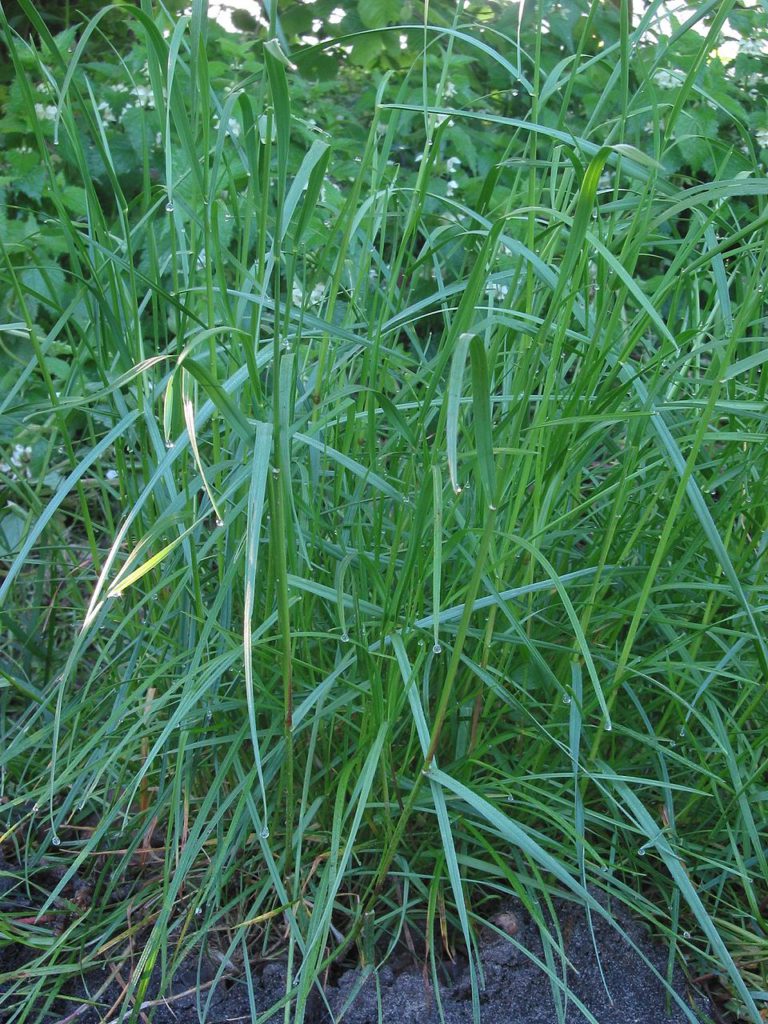
Some homeowners in cooler states assume drought only affects southern lawns. But dry spells happen everywhere, and Tall Fescue handles them better than most northern turf.
Its secret weapon? Roots that can grow 2 to 3 feet deep.
Everyday insight: Even after a week without rain, a Tall Fescue lawn may stay green when others fade. Its roots tap into deeper reserves other grasses can’t reach.
Bonus: Modern turf-type Tall Fescues are softer and finer than older blends, making them both hardy and attractive.
Fine Fescues: Shade-Loving and Surprisingly Drought Wise

Shady yards often struggle in summer when tree roots steal every drop of moisture. Fine fescues, including creeping red and chewings fescue, handle this competition well.
Why homeowners like it: These grasses grow slowly, need little water, and tolerate less sun. While not as tough under foot traffic, they’re perfect for lower-use areas or mixed seed lawns.
Best used as: A companion to Kentucky bluegrass or ryegrass to improve overall drought performance in mixed lawns.
Even the Most Drought Tolerant Grass Needs Help
No grass is invincible. Even drought tolerant lawns need occasional water to survive the worst heat waves. The key is watering less often, but more deeply, pushing roots to grow down, not out.
Pro Tip: One inch of water, once a week, is better than daily light sprinkles. Train your lawn’s roots to dig for water.
Mowing and Traffic Stress During Drought
Cutting grass too short during hot, dry months is like peeling off sun protection. Taller blades shade the soil, trap moisture, and keep roots cooler.
Also, heavy use during drought can thin out turf fast. If you’ve got kids or dogs romping daily, even the most drought tolerant grass will show stress without recovery time.
LawnGuru makes this easier by helping homeowners schedule timely mows during cooler parts of the day, keeping turf healthier in dry conditions.
FAQ: Drought Tolerant Grass Questions, Answered
What is the most drought tolerant grass?
Buffalograss and Bermudagrass rank among the most drought tolerant warm-season grasses. For cool-season regions, tall fescue holds up best.
Can grass survive without water?
Most grasses can survive 3 to 4 weeks without water by going dormant. Drought tolerant types survive longer and recover better.
What grass needs the least water?
Buffalograss requires the least irrigation once established, often thriving with less than 1 inch of water per month.
When in Doubt, Call in a Lawn Care Pro
Choosing the best drought tolerant grass means matching your lawn’s sunlight, soil, and usage, not just picking what sounds tough. And sometimes, you need help getting it seeded or managed right.
If summer has turned your lawn into a dust patch more than once, it may be time to rethink your turf. A pro can save you the trial-and-error headache.
Let LawnGuru connect you with local lawn experts who know which grasses thrive in your zone, and can get the job done right the first time.