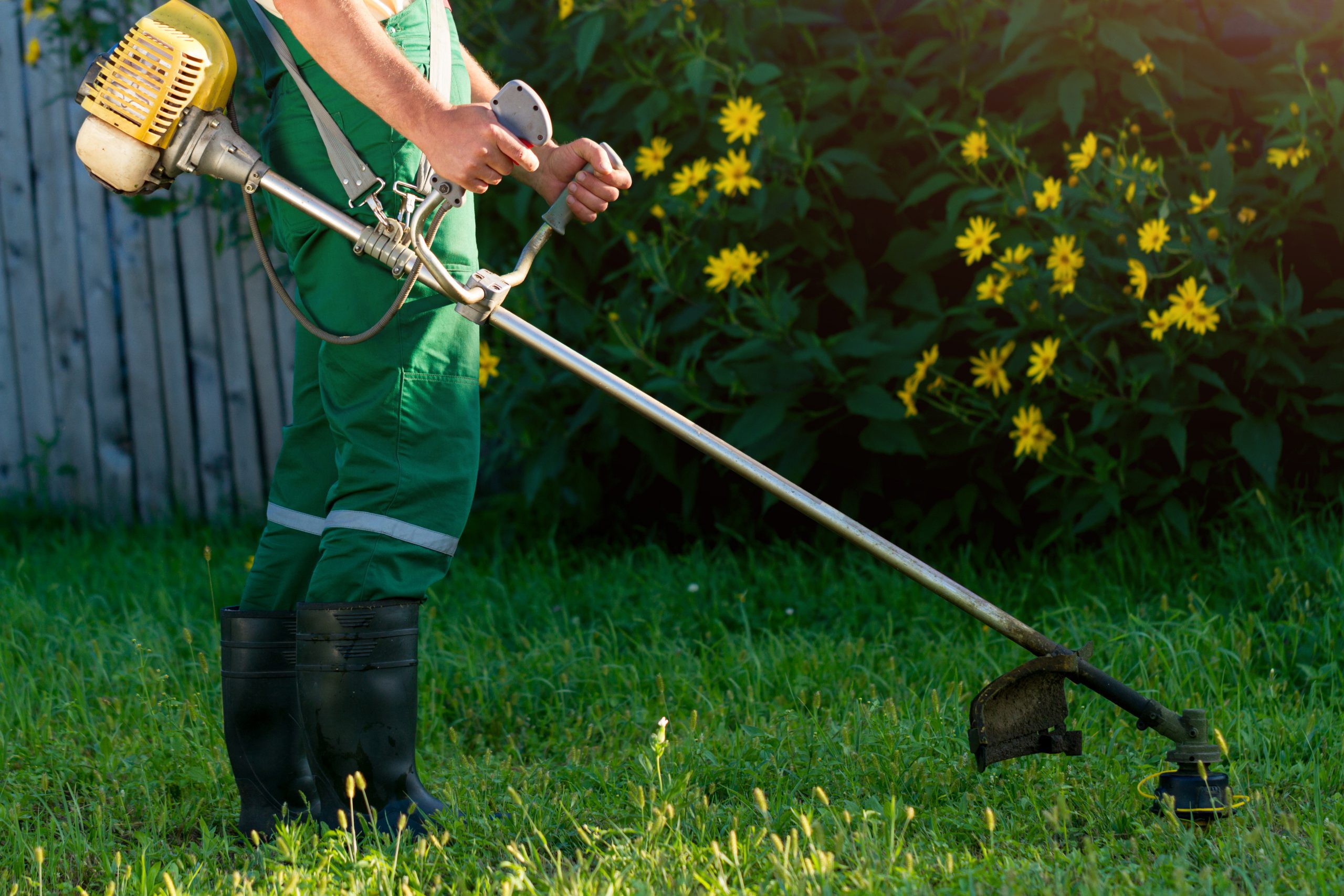
After a few days of steady sun and warmer afternoons, most lawns begin to bounce back from winter dormancy. Snow mold fades, patches dry out, and you’ll start to notice green tips pushing up through leftover debris. That’s your cue to prep the lawn, not rush it, not wait too long, just hit the timing window before weeds and bare spots take over.
For most homeowners, spring lawn care starts when soil temperatures reach 50 to 55°F. That’s the trigger for applying pre-emergent weed control, doing your first mow, and light fertilizing if your lawn has already begun greening up. A full schedule usually runs from mid-March to late May, depending on your region and whether you are managing warm season and cool season grass types. Aim to mow when turf reaches 3.5–4 inches and apply any early season treatments before soil temps pass 60°F.
Choose your path
- Cool-season grasses (fescue, bluegrass, rye): Start early. Focus on raking, light fertilizer, and aeration before heat sets in.
- Warm-season grasses (bermuda, zoysia, St. Augustine): Wait until the lawn greens up fully. Fertilize later and skip early overseeding.
- Not sure? Rake and mow once grass grows, hold off on fertilizer until consistent green appears, and test soil temp before applying anything.
Rake and Clear Winter Debris Before the Lawn Wakes Up
When you step onto the lawn and leave footprints, it’s too soon. Wait until the ground is dry and firm. Then rake to clear out leaves, sticks, and clumped grass that can block sun and trap moisture.

Even a light raking improves air flow and reduces disease pressure. For yards with visible buildup at the base of the grass, you may need to understand what is lawn thatch before proceeding. If that layer is thicker than half an inch, a simple rake might not be enough, but avoid aggressive dethatching until the grass is vigorously growing.
Time Your Pre-Emergent Application by Soil Temperature
Crabgrass germinates when soil temps reach 55°F for a few days. Pre-emergent herbicides must be down before that, ideally when the soil is in the 50–55°F range. This is the critical window for when to apply crabgrass preventer.
Check soil temps using a meat thermometer inserted 3 inches deep, or use a tool like the GreenCast Soil Temperature Map to monitor averages in your area. Apply pre-emergent on a dry day, then water it in lightly. Do not apply if you plan to overseed in the next 6–8 weeks, as the product will block grass seed too.
Safety check: Wear gloves and follow label instructions carefully when applying herbicides. Keep pets off the lawn until the product has dried or as specified.
Mow Once Grass Hits 3.5 to 4 Inches Tall
That first mow should only happen after the grass has grown tall enough. Cutting too soon can tear blades and stress the root system. Unsure how short to cut your grass in the spring? Aim for 3.5 to 4 inches for the first pass.
Use a sharp mower blade and follow the one-third rule: only cut the top third of the grass. For cool-season lawns, keep mowing height around 2.5 to 3 inches. Warm-season grasses can be mowed slightly lower, but only after they’ve begun growing in fully.

Fertilize Lightly in Early Spring, Not All at Once
Heavy spring fertilization can create fast top growth that looks great but weakens the roots. Start with a light, slow-release nitrogen fertilizer a few weeks after green-up.
For cool-season lawns, a stronger feeding can come later in spring before summer heat. For warm-season lawns, delay any fertilizer until consistent green growth appears. Avoid overlapping fertilizer and herbicide unless the product is labeled for both and matches your grass type.
Field note: Over-fertilizing in early spring leads to lush blades and shallow roots, bad news in drought-prone areas. See this guide from Purdue University Extension for more on nitrogen timing.
Only Aerate If the Lawn Shows Signs of Compaction
Spring aeration helps if you have dense clay soil, foot traffic damage, or visible pooling after rain. Use a core aerator to remove plugs from the lawn, not a spike tool which can worsen compaction.
Aeration should only be done when the grass is actively growing so it can recover quickly. If you decide to aerate lawn in spring, time it carefully. For cool-season grasses, that’s usually April. For warm-season types, wait until May or later.
Overseed Only if Necessary, and Not After Pre-Emergent
If your cool-season lawn has bare patches and you didn’t use a pre-emergent, overseeding in spring can help fill in problem areas. Do this after aeration while the soil is open.
Spread seed with a drop or broadcast spreader, lightly rake it in, and keep the top layer moist for two to three weeks. Avoid mowing until the new grass is at least 3 inches tall. If you used pre-emergent, wait until fall to reseed.
Shortcut: Look for starter fertilizers with mesotrione if you want to seed and suppress weeds at the same time. These are one of the few options safe for new grass.
Test Your Soil Temp Before You Fertilize or Seed
Use this simple homeowner test to confirm soil readiness for spring treatments:
5-Step Soil Temperature Check
- Dig 3 inches into a lawn area exposed to morning sun.
- Insert a meat thermometer and hold for 60 seconds.
- Repeat in three different spots and average the readings.
- Do this in mid-morning for best consistency.
- Record your soil temp.

Conversion Table
| Soil Temp | Action |
|---|---|
| < 45°F | Wait. Lawn still dormant. |
| 50–55°F | Apply pre-emergent now. |
| 55–60°F | Mow and fertilize (cool-season) |
| > 65°F | Overseed (warm-season) or skip spring work |
Switch rule: If temps are already above 60°F and your lawn is green, skip pre-emergent and mow. Seed only warm-season grasses now.
Fixable Mistakes: Spring Lawn Failure Modes
| Symptom | Likely Cause | Fix | Stop Rule |
|---|---|---|---|
| Mushy soil and footprints | Raking too early | Wait for dry soil | No visible impressions when walked on |
| Grass tears instead of clean cuts | Dull mower blade | Sharpen blade before use | Recheck every 10 mowing hours |
| Yellow spots post-fertilizer | Too much nitrogen | Water deeply to flush | Hold all fertilizer for 4 weeks |
| Bare patches not filling in | Used pre-emergent + seed | Delay reseeding or wait for fall | Avoid seeding for 6–8 weeks after pre-emergent |
| Crabgrass invasion | Missed soil temp window | Spot-treat with post-emergent | Confirm grass type compatibility |
| Weed surge | Over-watering or thin turf | Improve mowing and spot-treat | Avoid full-lawn herbicide unless needed |
Spring Lawn Decision Check: What to Do When
- If your soil is < 50°F → Wait. Hold all treatments and mowing.
- If your grass hits 4 in. and soil is above 55°F → Mow, then fertilize lightly.
- If you plan to seed → Skip pre-emergent or use mesotrione-based starter.
- If your lawn greens up unevenly → Consider spot fertilizing only where needed.
- If your turf is dense and green → Hold off on fertilizer. Focus on mowing.
- If water puddles after rain → Aerate before heavy growth starts.
- If you can’t confirm grass type → Stick with low-nitrogen fertilizer and avoid herbicides.
- Stop rule: If anything you apply causes yellowing, curling, or thinning, pause all treatments, water, and reassess.
FAQ
When should I start spring lawn care?
Begin once soil temps reach 50–55°F. For most homeowners, that’s March through early April. Check soil temperature, not just air temperature.
Should I mow or fertilize first in spring?
Mow first, once the grass reaches 3.5 to 4 inches tall. Fertilize after green-up using a slow-release product suited to your grass type.
Can I seed and use weed control at the same time?
Only if you use a product labeled safe for new seed, like mesotrione-based starter fertilizer. Standard pre-emergents will block germination.
What to Confirm Locally
- Grass type and growth pattern
- Last frost date and average spring soil temps
- Local watering schedules or restrictions
- Label compatibility for herbicide and fertilizer
- Overseeding windows based on region
- Soil compaction signs in your yard
- Local rainfall patterns to time mowing
- Whether soil testing is needed before fertilizing
Call in backup if you miss the window
Spring lawn care isn’t all-or-nothing. If you missed a step, most lawns bounce back with basic mowing and feeding. For homeowners juggling a packed schedule or lacking the right tools, LawnGuru offers flexible one-time or recurring yard services. See the current lawn care cost for your area and let the pros handle the wakeup call.
Good timing, clean cuts, and light feeding go a long way.