Florida lawns mostly rely on warm-season grasses like St. Augustine, Zoysia, Bahiagrass, and Bermuda. Each one handles different conditions, some need full sun, others tolerate shade or traffic. The best grass for your yard depends on how much sun you get, how often you water, and how you use your lawn.
Which Grass Types Actually Work in Florida
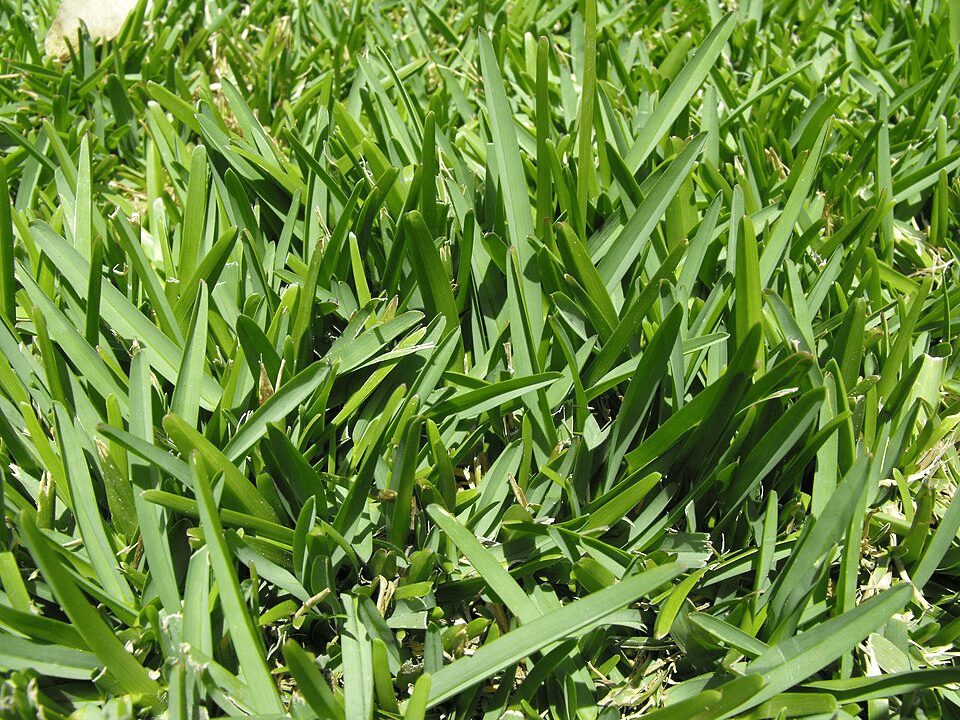
Most lawns in Florida grow one of four main warm-season grasses:
- St. Augustine
- Zoysia
- Bahiagrass
- Bermuda
Each of these types is heat-tolerant and well-suited to Florida’s humidity and soil conditions. But they behave very differently once established.
St. Augustine is the most common lawn grass in Florida, especially in coastal and suburban areas. It handles some shade, fills in fast, and has a soft, wide blade. But it needs a lot of water and is prone to pests like chinch bugs.
Zoysia is a denser grass with a fine texture. It grows slowly but handles foot traffic better and needs less water than St. Augustine. Some varieties handle partial shade, though not as much as St. Augustine.
Bahiagrass is the low-maintenance option. It’s coarse and not very thick, but it’s drought-tolerant and doesn’t need frequent fertilizing. It thrives in large, sunny areas where appearance is less important than durability.
Bermuda is a fast-growing, sun-loving grass that holds up well to wear. It’s often used on sports fields and golf courses. However, managing bermuda grass in winter requires specific timing to ensure it stays healthy during the cooler months.
There are a few other warm-season grasses that grow in parts of Florida:
- Centipede works in some north and central regions. It’s slow-growing and low-maintenance but not good with foot traffic.
- Seashore Paspalum tolerates salt and grows in coastal areas, but it’s rare in residential lawns.
Pros and Cons of Each Florida Grass Option
Here’s a side-by-side comparison to help narrow it down:
| Grass Type | Shade Tolerance | Traffic Tolerance | Water Needs | Best Fit For |
|---|---|---|---|---|
| St. Augustine | Moderate–High | Low–Medium | High | Coastal lawns, partial shade |
| Zoysia | Moderate | High | Medium | Active yards, moderate sun |
| Bahiagrass | Low | Medium | Low | Large, sunny, low-care areas |
| Bermuda | Low | High | High | Sunny sports or play areas |
| Centipede | Moderate | Low | Low | Low-maintenance, shady lawns |
Keep in mind that no grass is perfect. St. Augustine may look lush but needs more care. Bermuda thrives in sun but fails in shade. Choosing what fits your yard’s conditions will save time and frustration later. To better understand the landscape, check out what kind of grass grows in florida? for a deeper breakdown of cultivars.
A Simple Step-by-Step Plan for Choosing Your Grass
- Check your sun exposure.
Watch how much full sun your lawn gets. More than 6 hours a day? You’ve got full sun. Less than 4? You need a shade-tolerant type. - Think about how you use your lawn.
Do kids or pets play in it regularly? Zoysia or Bermuda might hold up better than St. Augustine or Centipede. - Evaluate your watering habits.
Can you water regularly, or do you prefer a drought-tolerant grass? Bahiagrass is more forgiving when rainfall is low. - Look at your soil.
Florida soils vary, sandy in many areas, more loamy inland. Bahiagrass and Centipede do fine in sandy soils. St. Augustine and Zoysia prefer richer, well-drained soil. If you are planning a major overhaul, researching landscaping cost can help you budget for soil amendments. - Decide how much maintenance you want.
St. Augustine and Bermuda need regular mowing and feeding. Bahiagrass and Centipede are lower effort but don’t look as manicured. You can use a lawn mowing cost calculator to estimate long-term upkeep expenses.

Common Mistakes That Lead to Patchy or Weak Lawns
A lot of Florida lawn problems trace back to mismatched grass choices.
Choosing a full-sun grass like Bermuda for a shady yard almost guarantees thin, bare patches. On the flip side, planting St. Augustine in a high-traffic yard usually leads to worn-out trails. Trying to “mix” grasses often causes uneven growth since different types grow at different rates and have different needs.
Another common issue? Planting at the wrong time. Warm-season grasses need soil temps above 65°F to take root. Planting in late fall or during cold snaps usually leads to failure.
Times to Avoid Planting or Repairing Florida Grass
Warm-season grasses like the ones in Florida should only be planted or repaired when temperatures are consistently warm, typically late spring through early fall. Following a proper winter grass care guide is essential if you are attempting to maintain turf during the off-season.
Avoid:
- Late fall or winter seeding or sod installs
- After heavy rains when the soil stays soggy
- During droughts unless you have irrigation ready
- Right before high foot traffic, like a backyard event
If your lawn just lost a tree and now has new shade, don’t rush to replant the same grass type. Conditions have changed, and so should your choice.
Care Basics That Matter Most for Florida Lawns
Florida lawns face year-round pressure from heat, rain, pests, and disease. A few basics go a long way. According to the University of Florida IFAS Extension, selecting the right species for your specific site is the most important step in pest prevention.

Mowing height:
- St. Augustine: 3.5–4 inches
- Zoysia: 1.5–2.5 inches
- Bermuda: 0.5–1.5 inches
- Bahiagrass: 3–4 inches
- Centipede: 1.5–2 inches
Watering:
About 1 inch per week (including rainfall) is usually enough. St. Augustine needs more during dry spells. Bahiagrass can go longer without.
Fertilizer:
Use a balanced fertilizer during active growth. Avoid overfeeding, especially with nitrogen, it invites pests and thatch.
Watch for pests and fungus, especially during hot, humid months. Chinch bugs love St. Augustine. Zoysia can get brown patch. Spotting issues early makes a big difference.
Florida Lawn Grass Questions Answered
What’s the easiest grass to grow in Florida with minimal care?
Bahiagrass is the most hands-off. It doesn’t need much water or fertilizer and handles sandy soils well, but it won’t give you a golf-course look.
Can I grow Kentucky Bluegrass or Fescue in Florida?
No. These are cool-season grasses and won’t survive Florida’s heat and humidity. Stick with warm-season types only.
What’s the best grass for Florida shade?
St. Augustine is the most shade-tolerant of the common Florida grasses. Some varieties (like Palmetto) do especially well in partial shade.
How do I know if I should use seed, sod, or plugs?
Bahiagrass and Bermuda can be seeded. St. Augustine and Zoysia are usually installed as sod or plugs because they don’t seed well. Go with sod for faster coverage, plugs if you’re patient.
Why does my Florida grass keep dying in patches?
Common causes include pests (like chinch bugs), fungal issues, poor watering habits, or mismatched grass for the conditions (shade, soil, traffic).
Can I mix grass types to get the “best of both”?
Not usually. Mixed grasses often grow unevenly and need different care. It’s better to choose one that fits your yard’s conditions.
How Florida Lawns Differ From Cooler Regions
Advice from northern states doesn’t usually apply in Florida. Cool-season grasses like Fescue or Ryegrass won’t survive the summer. Timing for planting and fertilizing is completely different, too. If you’re moving from a northern area, expect a learning curve, especially with watering and mowing frequency.
Prefer Help Picking or Maintaining Florida Grass?
If you’re unsure what to plant, or just want to avoid trial and error, a local expert can help you match your yard to the right type of grass. Some homeowners enjoy the challenge. Others prefer to hand it off. Either way, LawnGuru makes it easy to get the support you need, when you need it.