Quick answer: Depends on where you live. Common Bermuda seed is the safe default for most of the state, it germinates reliably and shrugs off summer heat. Central and West Texas homeowners chasing a lower water bill should look at buffalograss instead. Up in North Texas, overseed with perennial ryegrass for winter color, or plant turf-type tall fescue if you want a cool-season lawn that sticks around past March. One thing to settle before you buy anything: if St. Augustine or Zoysia is what you had in mind, most of what’s sold under those names comes as sod or plugs, not seed. Worth knowing before you’re standing in the garden aisle wondering why the bag you want doesn’t exist.
Grass Seed vs. Grass Type: Why the Question Matters in Texas
Search “best grass for Texas” and St. Augustine, Zoysia, and hybrid Bermuda all show up next to Buffalograss and Tall Fescue like they’re interchangeable options. They’re not. Finding the best grass seed for Texas, actual seed you can buy and plant, narrows that list considerably.
St. Augustine doesn’t have commercially viable seed. None. It goes down as sod, plugs, or sprigs. Zoysia is nearly as restrictive, just two cultivars (Zenith and Compadre) are sold as seed, and both take noticeably longer to fill in than Bermuda. Centipede does have seed on shelves, but Texas A&M’s own turfgrass guide is blunt about it: establishment is “much slower than with other grasses,” and the guide recommends sod instead. Even the hybrid Bermudas you’d see on a golf course, Tifway, TifSport, Celebration, are sod-only. Common-type Bermuda and a handful of named seeded varieties are really the exception here, not the rule.
That’s not a knock on St. Augustine or Zoysia. Plenty of good Texas lawns are running on both. It just means anyone browsing seed racks looking for them is going to come up empty, and that’s worth knowing before you waste a Saturday at three different feed stores. If you want the full lineup of Texas grasses regardless of how they’re planted, our grass types in Texas guide covers that ground instead.
Grass Seed That Actually Establishes in Texas
Common Bermuda
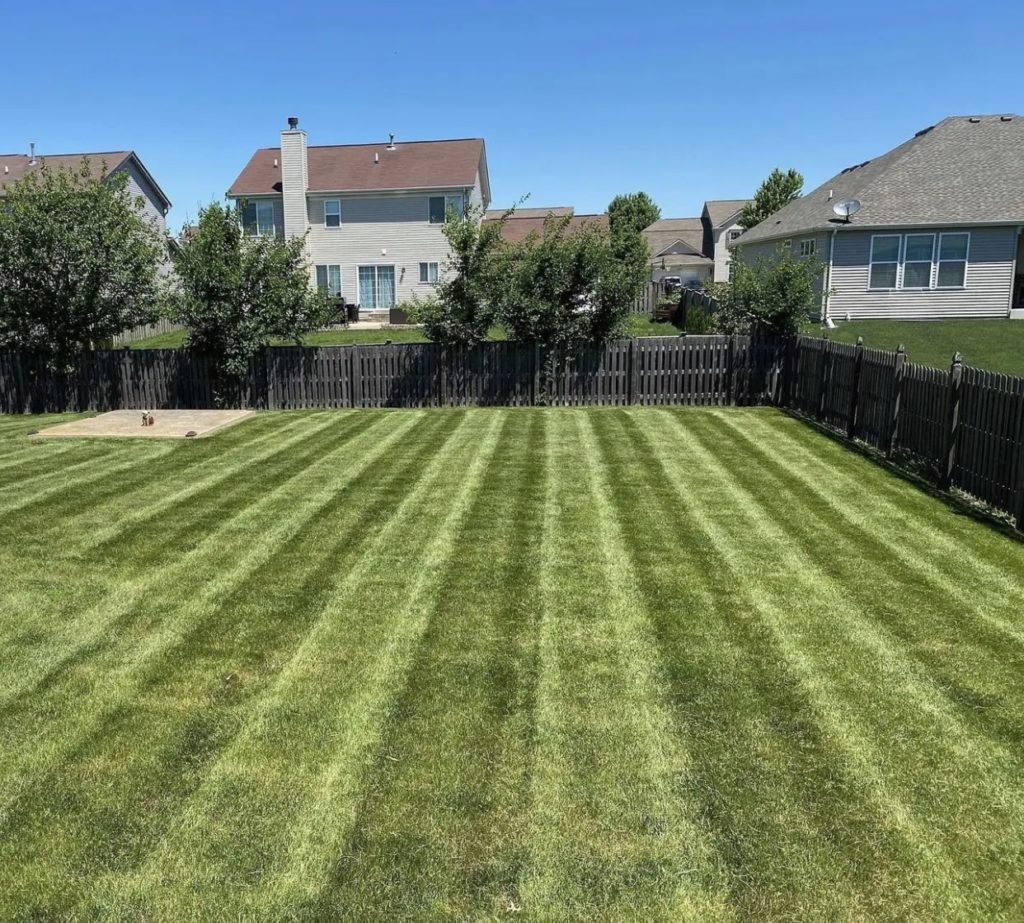
The reason Bermuda comes up first in almost every conversation about Texas lawns is simple: it works nearly everywhere in the state, shrugs off drought, takes a beating from kids or dogs and bounces back, and it’s one of the few warm-season grasses you can actually seed rather than sod. Cheap too, most Texas feed stores and garden centers stock it. The catch is shade. Give it less than six hours of direct sun and it thins out fast, no amount of fertilizer fixes that.
Buffalograss
This one’s a Texas native, and it behaves like it. Texas A&M’s guide caps its ideal range at 25 inches of annual rainfall or less, which lines up neatly with Central and West Texas and lines up badly with the Gulf Coast, where extra moisture just invites weeds to take over a buffalograss stand. Seeded cultivars like Texoka, Comanche, Plains, and Topgun are genuinely available; the newer, denser types (Density, Prestige) are sod-only. Anyone whose real priority is a lower water bill rather than a golf-course look should give this one more than a passing glance.
Tall Fescue and Texas Bluegrass
North Texas only, and even there, you’re trading something to get it. Tall fescue drinks more water through summer than Bermuda or buffalograss and doesn’t handle the state’s heat and humidity well once you leave the northern edge. Texas bluegrass, a Texas A&M cross between Kentucky bluegrass and native Texas bluegrass, tolerates heat better and needs less irrigation, but good luck finding either seed or sod for it at a normal garden center. For most people up north wanting green through winter from an actual bag of seed, turf-type tall fescue is still the practical answer, extra watering and all.
Perennial Ryegrass
Nobody plants this as a permanent lawn in Texas. What it’s actually for: overseeding dormant Bermuda each September or October for winter color, or holding bare dirt together while something permanent gets established. It comes up fast, often inside a week, faster than every other grass on this page.
Zoysia (seeded varieties only)
Two cultivars, Zenith and Compadre, that’s the entire list of seeded Zoysia. Neither fills in quickly. Budget an extra season, sometimes more, before the lawn looks finished. If Zoysia’s fine blade texture and cold tolerance are what you’re after, that wait is a fair trade. Skip this section and go in blind, though, and the slow fill-in is exactly what trips people up.
Why St. Augustine and Centipede Aren’t on This List
Not because they’re bad grasses. St. Augustine is the most shade-tolerant warm-season option Texas has, and it’s all over Southeast Texas and the Gulf Coast for that exact reason. Centipede is a fine low-input lawn for East Texas. They’re missing from the seed list above because they don’t establish that way in any practical sense. Been comparing St. Augustine seed prices online and wondering why nothing lines up? That’s the mislabeling problem, not a research gap on your end. Sod or plugs is the real answer.
How the Six Main Texas Turfgrasses Compare
This table comes from Texas A&M AgriLife Extension’s official turfgrass selection guide, not a seed retailer’s marketing copy, which is why it includes traits sellers tend to leave out, like disease potential and salinity tolerance.
| Trait | Bermudagrass | Buffalograss | Centipede | St. Augustine | Zoysiagrass |
|---|---|---|---|---|---|
| Shade tolerance | Very low to low | Low | Moderate | High | Moderate to high |
| Water requirement | Moderate to low | Very low | Moderate | Moderate | Moderate |
| Drought tolerance | Very good to excellent | Excellent | Moderate | Good | Very good |
| Traffic tolerance | High | Low | Low | Low | Moderate to high |
| Cold tolerance | Moderate | High | Low | Low | Moderate to high |
| Mowing height | 1.0–2.0 in | 2.5–3 in | 1.5–2.0 in | 2.5–3 in | 0.5–2.0 in |
| Mowing frequency | Every 3–7 days | Every 7–14 days | Every 7–10 days | Every 5–7 days | Every 5–10 days |
Texas A&M’s guide actually lists a sixth grass, seashore paspalum, but it didn’t make the table above on purpose. It’s a salt-tolerant specialty grass for the far southern tip of the state, and outside that narrow strip near the coast, it almost never comes up as a real option.
Best Grass Seed by Texas Region
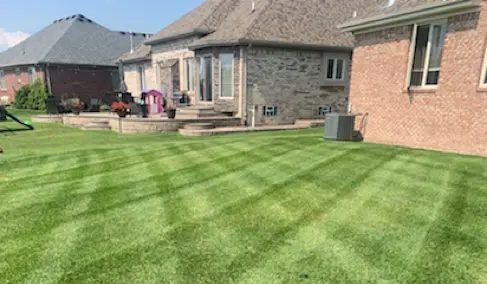
North Texas / DFW. Bermuda for the base lawn. Add turf-type tall fescue if winter green matters to you, or just overseed ryegrass each fall instead of committing to fescue full-time.
Central Texas. This one comes down to your water bill more than anything else. Buffalograss if you want it low, common Bermuda if you’d rather have a denser, greener-looking lawn and don’t mind running the sprinklers more in August. Austin and San Antonio both sit squarely in the zone where either grass works fine.
South Texas. Heat’s not really a problem for Bermuda down here. The only reason to look elsewhere is salt, if your soil or irrigation water runs brackish near the coast, seashore paspalum handles that better than anything else on this page.
East Texas / Gulf Coast. Climate-wise, this is St. Augustine and Centipede territory, humidity agrees with both. But seed-wise, plan on sod for St. Augustine and patience for Centipede. If seed is non-negotiable here, common Bermuda in the sunniest part of the yard is the honest recommendation, even knowing it’s not as shade-tolerant as a lot of Houston lawns actually need (our Houston-specific grass guide gets into that tradeoff further). Heavy tree cover changes the math enough that sod might just be the better call here, period.
West Texas / Panhandle. Buffalograss, again, and for the same reason as Central Texas: this is the driest part of the state, and buffalograss is quite literally built for exactly that rainfall. Kentucky bluegrass can technically survive the Panhandle per Texas A&M, but only with irrigation propping it up, which defeats the point for most people out here.
Getting Grass Seed to Actually Take Root in Texas Soil
Wrong species picked isn’t usually why Texas seed fails. It’s what happens, or doesn’t, in the two weeks right after it hits the ground. By midsummer, Texas clay bakes into something a lot closer to concrete than soil, and seed scattered onto that surface has nowhere to go. It sits exposed until a bird finds it or a storm washes it into the gutter. Break up the top half-inch first, a rake works, a core aerator works better. That single step separates seed that roots from seed that just disappears. Then keep it damp, not soaked, for two to three weeks straight. Miss a day in July and a thin seed bed can dry out before lunch. Once the lawn’s actually established and you’re past babying a seed bed, the watering rules change, our guide to watering timing in Texas covers that next phase.
When to Plant
Spring (April into May) and early fall (September) are the two windows for warm-season grasses like Bermuda and buffalograss, soil needs to be reliably above 65°F for germination. Cool-season overseeding with ryegrass or fescue happens in the opposite window, late September through October. For the full month-by-month breakdown by region, see our guide to when to plant grass seed in Texas.
FAQ
What is the easiest grass seed to grow in Texas?
Common Bermuda. It germinates fast, tolerates a wide range of soil types, and forgives some inconsistency in watering better than buffalograss or fescue do during establishment.
What is the best month to plant grass in Texas?
April for warm-season grasses in most of the state, soil temperatures are reliably warm enough by then without the peak-summer stress of June and July. September works too and comes with slightly cooler planting conditions.
What is poor man’s grass?
In Texas, that nickname usually points to Centipede, sometimes called “poor man’s St. Augustine” because it delivers a similar low, dense lawn with far less fertilizer and mowing, at the cost of some shade tolerance and traffic durability.
What is the best grass to grow in Texas heat?
Bermuda and buffalograss both handle extended Texas summer heat with minimal die-back. Bermuda tolerates more foot traffic; buffalograss needs less water to get there.
Can I just throw grass seed down on dirt?
You can. Most of it won’t survive the attempt. Seed has to actually touch soil to germinate, and dirt baked hard by a Texas summer doesn’t offer much contact, birds pick off what the wind and the next thunderstorm don’t. A quick pass with a rake or a hard tine before you seed changes the outcome more than people expect. For bare, compacted spots specifically, see our guide on how to grow grass on dirt.
Will grass grow through 2 inches of topsoil?
For most turfgrass seed, yes, and 1 to 2 inches is close to the sweet spot. Thinner than that and the seed dries out before it can root. Deeper, and it never sees enough light to sprout in the first place.
What are the common mistakes when sowing grass seed?
Watering wrong tops the list, and it’s usually the infrequent-but-deep habit that does it. Seed wants short, frequent watering through germination, and that one mistake alone kills more new Texas lawns than any pest ever does. Skipping soil prep is a close second, seed dropped on compacted, unloosened ground just sits there until the first real rain washes it off. After that: mowing before roots have actually taken hold, and picking a species based on what the neighbor planted rather than what your yard’s sun and soil actually call for.
Bottom Line
Shopping for grass seed in Texas comes down to a short list, really. Common Bermuda covers most of the state. Buffalograss wins if the water bill is what you’re actually optimizing for. And if St. Augustine or Zoysia is the goal, you’re shopping for sod, not seed, no matter what the label implies. Get the species right for your region and soil first. Get the seed bed prep right second. Those two decisions settle the outcome long before a single seed touches dirt.
Not sure which grass makes sense for your yard, or want the seeding and soil prep handled by someone who does this daily? Book a lawn seeding pro through LawnGuru and skip the guesswork.
Sources: