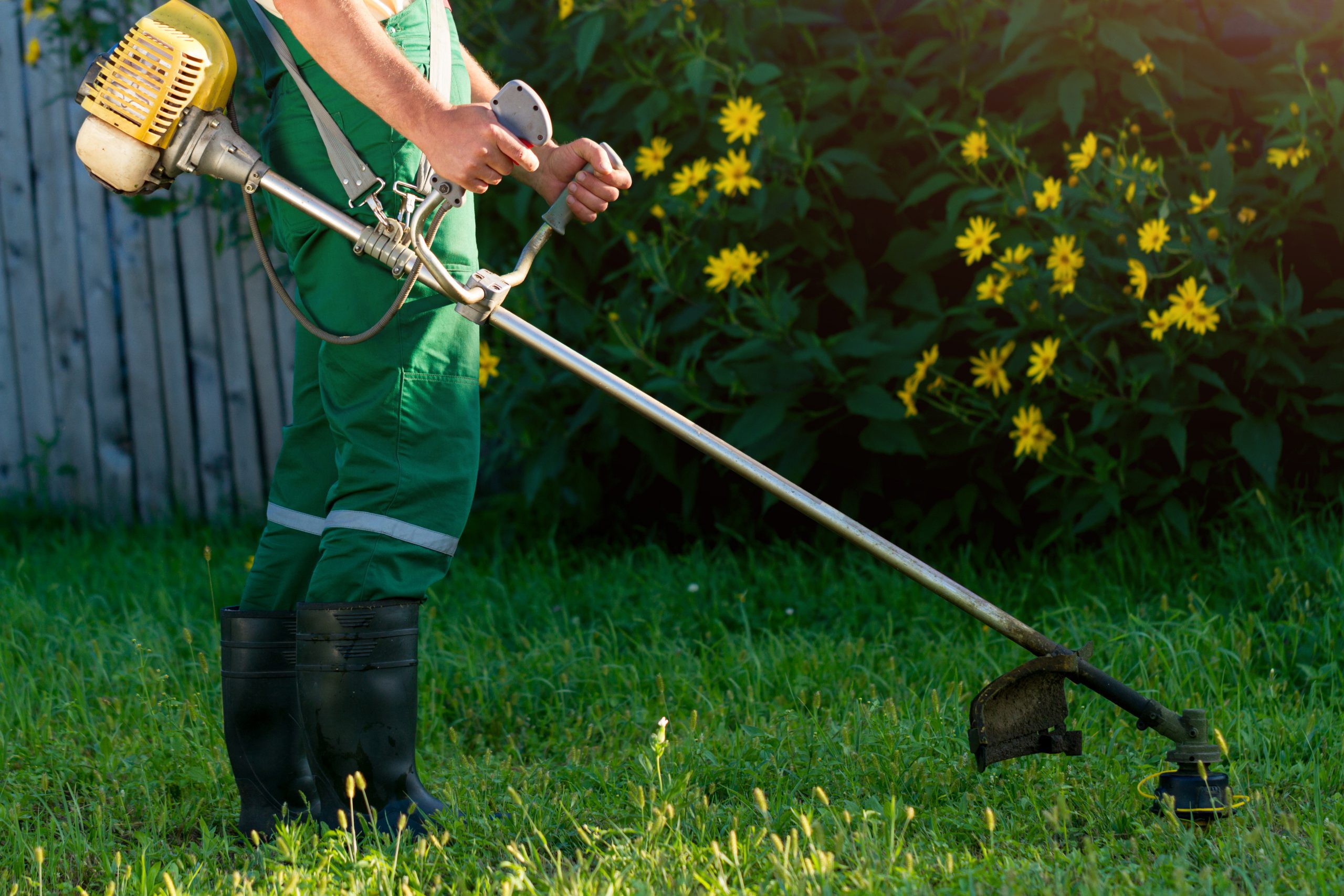

Walk into a Wisconsin garden center in late August and the grass seed aisle looks the same as it does in Ohio or Nebraska: bags of Kentucky bluegrass, tall fescue, and ryegrass blends promising a thick, green lawn. What the bag doesn’t tell you is which one actually survives a Wisconsin winter that can hit 30 below in the Northwoods, or why the same seed that thrives in Milwaukee might struggle two hours north.
Quick Answer: Cool-season grasses are the only real option for Wisconsin lawns statewide. Kentucky bluegrass gives the best color and self-repairs through rhizomes, turf-type tall fescue handles drought and heat with the least upkeep, perennial ryegrass fills bare spots fast, and fine fescue is the shade specialist. Plant in late August into early September for the best results, per University of Wisconsin-Madison Extension.
Why Wisconsin Needs Cool-Season Grass
Wisconsin sits entirely within the cool-season turf zone, and there’s no real debate about it the way there sometimes is in states along the transition zone further south. According to University of Wisconsin-Madison Division of Extension’s turfgrass identification guide, Kentucky bluegrass, perennial ryegrass, tall fescue, and fine fescue account for the large majority of lawns across the state. Warm-season grasses like zoysia or bermudagrass aren’t a realistic option here; Wisconsin’s winters are long and cold enough that a warm-season lawn would spend most of the year brown and dormant, if it survived at all.
The bigger variable in Wisconsin isn’t grass type, it’s soil. The state sits on roughly 700 distinct soil groups shaped by glacial deposits, ranging from the sandy soils of the Central Sands region to the heavier clay found in parts of the southeast. That range matters more for which grass performs best in your specific yard than it does for the broad cool-season-versus-warm-season question every other state has to answer first.
Best Grass Seed Types for Wisconsin Lawns

Kentucky Bluegrass
Kentucky bluegrass is the default lawn grass across most of Wisconsin, and for good reason: it spreads through underground rhizomes, which means it fills in small bare patches on its own rather than needing constant reseeding. It wants full sun, a soil pH between 6 and 7, and consistent mowing at 2.5 to 3.5 inches, the range UW-Madison’s turfgrass extension specialists recommend for Wisconsin lawns generally.
The tradeoff is disease susceptibility. Necrotic ring spot is most damaging in the first two to four years after a Kentucky bluegrass lawn is established, and certain popular cultivars, “Midnight” types in particular, are more prone to rust and should be avoided in low- to moderate-maintenance situations. Gray and pink snow mold are also a real risk under Wisconsin’s long snow cover, though damage rarely kills the turf outright.
Turf-Type Tall Fescue
Turf-type tall fescue handles heat and drought better than bluegrass, tolerates moderate shade, and needs less water and fertilizer to stay green through a dry Wisconsin summer. It’s also more resistant to necrotic ring spot and rust than Kentucky bluegrass, which makes it a lower-maintenance pick if disease pressure is a concern. The one place it falls short: it’s more susceptible to snow mold than fine fescue or Kentucky bluegrass, so it needs mowing at the recommended 2.5 to 3.5 inch height right up until winter dormancy rather than being left long.
Perennial Ryegrass
Perennial ryegrass germinates faster than anything else on this list, often within a week, which makes it the standard choice for quick spot repairs on bare or thin areas. It handles foot traffic well, but Wisconsin’s harsh winters are often too much for it to survive as a standalone lawn, which is why most Wisconsin seed mixes use it as a minority component alongside Kentucky bluegrass and fine fescue rather than planting it alone. It’s also more prone to rust and gray leaf spot than the other three grasses here.
Fine Fescue
Fine fescue is the shade specialist, tolerating tree cover where bluegrass and ryegrass thin out, and it needs the least water, fertilizer, and mowing of the four. It’s a strong pick for low-input lawns generally: UW-Madison Extension recommends a seed mixture of at least 50 to 70 percent fine fescue for anyone specifically aiming for a low-maintenance lawn, paired with no more than 50 percent low-maintenance Kentucky bluegrass and no more than 15 percent perennial ryegrass. For lawns with heavier shade specifically, see our guide on the best grass seed for shaded lawns.
Cheat Sheet for Wisconsin Yards
- Best all-around color and self-repair: Kentucky bluegrass
- Best for drought, heat, and disease resistance: Turf-type tall fescue
- Best for fast repairs on bare spots: Perennial ryegrass (as part of a blend, not alone)
- Best for shaded yards: Fine fescue
- Best low-maintenance mix: 50-70% fine fescue, up to 50% Kentucky bluegrass, up to 15% perennial ryegrass
- Statewide planting window: Late August into early September
Comparing Wisconsin’s Cool-Season Grasses
| Grass Type | Soil pH | Mowing Height | Shade Tolerance | Foot Traffic | Disease Watch | Best For |
|---|---|---|---|---|---|---|
| Kentucky Bluegrass | 6.0-7.0 | 2.5-3.5 in | Low | Moderate | Necrotic ring spot (first 2-4 years), rust | Full-sun lawns wanting self-repair |
| Turf-Type Tall Fescue | 5.5-6.5 | 2.5-3.5 in | Moderate | Moderate-High | Snow mold | Drought-prone or low-maintenance yards |
| Perennial Ryegrass | 6.0-7.0 | 2.5-3.5 in | Low | High | Rust, gray leaf spot | Fast repair, blended with other species |
| Fine Fescue | 6.0-6.5 | 2.5-4 in | High | Low-Moderate | Powdery mildew (shade) | Shaded yards, low-input lawns |
Foot traffic tolerance is worth weighing honestly before you buy. A yard with kids or dogs running through it daily will wear down perennial ryegrass or fine fescue faster than the bag’s germination speed or shade rating might suggest, which is part of why most Wisconsin lawns are seeded as a blend rather than a single species.
When to Plant Grass Seed in Wisconsin
Statewide, UW-Madison Extension Horticulture Outreach Specialist Bruce Spangenberg is direct about this: late August into early September is the ideal time for seeding new lawns and renovating existing ones, whether you’re overseeding thin patches or starting from bare soil. Soil is still warm enough for fast germination, air temperatures have cooled enough that seedlings aren’t fighting heat stress, and weed pressure from crabgrass and other summer annuals is dropping off.
Spring seeding is possible, but it’s a narrower window than fall almost everywhere in the state, and it comes with more weed competition from crabgrass and other annuals germinating at the same time as your grass seed. The USDA Natural Resources Conservation Service’s Wisconsin planting guide breaks the state into three zones with two seeding windows each, a spring option and a second, better late-summer option:
| Region | Spring Window | Late-Summer/Fall Window |
|---|---|---|
| Northern Wisconsin | May 1 – June 15 | July 15 – August 10 |
| Central Wisconsin | April 15 – June 1 | August 1 – August 21 |
| Southern Wisconsin | April 1 – May 15 | August 7 – August 29 |
Read this table as two separate options, not one confusing date range: plant in the spring window if you can’t wait, but treat the late-summer window in the right-hand column as the better choice everywhere in the state, consistent with UW-Madison’s own guidance. Northern Wisconsin’s windows run later in spring and earlier in late summer than the rest of the state, reflecting its shorter growing season and earlier first frost. If you miss both windows entirely, dormant seeding in late fall is a legitimate fallback rather than waiting an entire extra year.
Wisconsin’s USDA Hardiness Zones and What They Mean for Seeding
Wisconsin’s hardiness zones matter less for choosing between cool-season grasses, since all four types on this list are rated for the entire state, and more for how much risk you should tolerate with your planting dates. Per UW-Madison Extension’s 2023 hardiness zone breakdown, authored by woody ornamental horticulture specialist Laura Jull, Wisconsin now spans four zones on the 2023 USDA map, up from three on the 2012 version:
| Zone | Approximate Area | Winter Low |
|---|---|---|
| 3b-4a | Far northern Wisconsin, interior Northwoods | -25°F to -35°F |
| 4b | Most of northern and central Wisconsin | -20°F to -25°F |
| 5a-5b | South-central and southwestern Wisconsin, including Madison | -10°F to -20°F |
| 6a | Narrow strip along Lake Michigan’s shore, Kenosha to Sheboygan County | -5°F to -10°F |
The practical takeaway: if you’re in the far north, treat the earlier end of each planting window as a hard deadline rather than a suggestion, since a shorter growing season leaves less room for a late-established lawn to root before winter. If you’re in the Lake Michigan zone 6a strip, you have slightly more flexibility on the back end of the fall window than the statewide dates suggest.
Best Grass Seed by Region in Wisconsin
Northern Wisconsin (Superior, Rhinelander, Eagle River) has the shortest growing season and coldest winters in the state. Kentucky bluegrass and Kentucky bluegrass/fine fescue blends hold up well here since the region rarely sees the sustained summer heat that stresses bluegrass further south, but the compressed planting windows mean timing matters more than it does elsewhere.
Central Wisconsin (Wausau, Stevens Point, the Central Sands region) deals with sandier soil than the rest of the state in many areas, which drains fast and holds less moisture. Turf-type tall fescue’s deeper root system and better drought tolerance make it a stronger fit here than pure bluegrass, particularly on unirrigated lawns.
Southern Wisconsin (Madison, Milwaukee, the Lake Michigan shore) has the mildest climate and the longest growing season in the state, giving homeowners here the most forgiving margins on both planting windows. A tall fescue and Kentucky bluegrass blend performs well across most of this region regardless of exact soil type.
How to Plant Grass Seed for the Best Results
Soil preparation matters as much as picking the right grass. The USDA NRCS’s five-key seeding guide for Wisconsin lays out a simple test for seedbed firmness: if an adult footprint is only slightly visible after you walk across the prepared soil, it’s firm enough to plant. A bed that’s too loose lets seed sink too deep to germinate reliably.
Plant most grass seed at a depth of a quarter to a half inch, no deeper. Seed planted too deep either fails to sprout or runs out of stored energy before the shoot reaches sunlight, and NRCS specifically flags planting too deep, alongside inadequate weed control, as the two most common reasons grass seedings fail. After spreading seed at the rate printed on the bag, rake or roll lightly for good seed-to-soil contact, then keep the seedbed consistently moist with light, frequent watering until germination. If your soil test shows a pH outside the 6.0-7.0 range most Wisconsin grasses prefer, see our guide on the best pH for grass and how to maintain soil health before you seed, since amendments like lime take months to fully adjust the soil.
Overseeding an Existing Wisconsin Lawn
Overseeding follows the same late-August-to-early-September calendar as new lawns, for the same reasons. UW-Madison’s lawn maintenance guidance recommends core aerating in fall if soil is compacted or thatchy, ideally combined with overseeding so the new seed makes real contact with soil rather than sitting on top of existing thatch. If your lawn has thinning patches or visibly less density than it did a couple of years ago, overseeding in fall is the fix, and it’s worth doing before broadleaf weed control and fall fertilization, both of which can damage young seedlings if timed wrong.
Frequently Asked Questions
Is Kentucky bluegrass or tall fescue better for Wisconsin?
Neither is universally better. Kentucky bluegrass gives denser color and self-repairs through rhizomes, but needs more water and is more prone to necrotic ring spot in its first few years. Turf-type tall fescue tolerates drought and heat with less upkeep and has better disease resistance overall, but doesn’t self-repair the way bluegrass does, so bare spots need reseeding rather than filling in naturally.
Can I just throw grass seed down without prepping the soil?
You can, but germination drops off sharply without seed-to-soil contact. Seed sitting on undisturbed soil or thatch is exposed to birds, wind, and drying out before it has a real chance to root. A few minutes of raking, or a pass with a core aerator on compacted soil, meaningfully improves how much of what you spread actually becomes grass.
What is the best time to plant grass seed in Wisconsin?
Late August into early September, statewide, per UW-Madison Extension. Soil is still warm enough for quick germination, air temperatures have cooled, and weed competition from summer annuals is fading. Spring works as a backup option using the regional NRCS windows above, but it comes with more weed pressure and a shorter runway before summer heat arrives.
What is “poor man’s grass”?
It’s a nickname for tall fescue, referring to its history as a tough, inexpensive pasture grass rather than a lawn grass bred for looks. Modern turf-type tall fescue varieties are bred specifically for home lawns and look considerably better than the coarse pasture-grade fescue that earned the nickname, while keeping the same drought tolerance and low maintenance needs.
When does grass stop growing in Wisconsin?
Most Wisconsin lawns go dormant and stop active growth by late October to early November, as day length and soil temperature drop. This is also when snow mold risk starts building for the season ahead, which is why nitrogen fertilizer applications should be avoided late in fall and mowing height should stay in the normal 2.5 to 3.5 inch range right up until dormancy rather than leaving grass long under the first snow cover.
Bottom Line
Wisconsin’s cool-season climate means the grass question comes down to tradeoffs rather than a single right answer: Kentucky bluegrass for color and self-repair, turf-type tall fescue for drought tolerance and lower maintenance, fine fescue for shade, and perennial ryegrass as a fast-germinating piece of a blend rather than a standalone lawn. Whatever you plant, aim for the late-August-to-early-September window UW-Madison Extension recommends statewide, and treat the earlier NRCS spring dates as a backup rather than the first choice. If matching the right seed and timing to your part of Wisconsin feels like more than you want to manage, LawnGuru connects you with local lawn care pros who handle the soil prep, seeding, and timing for you.