
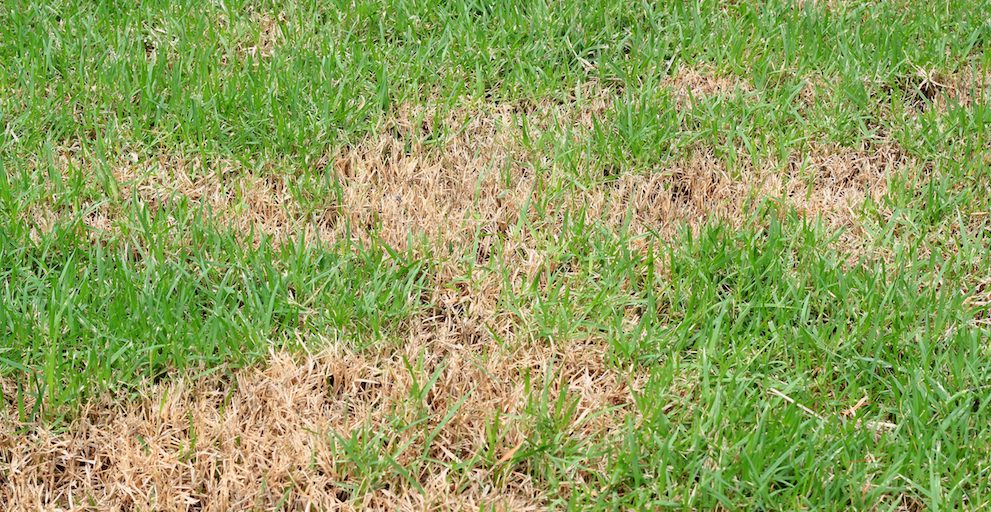
Brown or yellow patches tend to show up after rain, right where your dog prefers to go. The rest of the yard looks fine, but those spots keep spreading even when mowing and watering stay consistent.
Yes, dog poop kills grass when it sits on the lawn. The waste contains concentrated nitrogen, salts, and bacteria that overwhelm turfgrass blades and roots. Instead of feeding the lawn, dog poop burns grass tissue, blocks sunlight, and disrupts soil microbes, which leads to visible die-off within days if cleanup is delayed.
| What happens | Why it occurs | What to do |
|---|---|---|
| Yellow or brown spots | Excess nitrogen and salts | Pick up promptly and rinse area |
| Bare or thinning patches | Grass roots damaged | Rake, reseed, and restrict access |
| Uneven growth | Soil chemistry imbalance | Dilute residue and monitor recovery |
| Odor and insects | Bacteria breakdown | Remove waste daily |
Does Dog Poop Kill Grass Every Time or Only in Certain Spots
Most homeowners notice damage forming in the same areas week after week. That pattern matters more than the single event itself.
Dog poop kills grass most reliably when deposits repeat in one location. Nitrogen accumulates in the soil faster than grass can absorb it, which scorches blades and weakens roots. Spots used once and cleaned quickly often recover without visible damage.
How nitrogen burn shows up on turf
Nitrogen burn appears as yellowing that turns brown from the center outward. The affected area often measures 4 to 8 inches across, depending on moisture and soil type. Damage becomes clear within 3 to 7 days rather than immediately.
Why moisture makes damage worse
Rain or irrigation dissolves nitrogen and salts, driving them deeper into the root zone. That spread increases the affected area and delays recovery. Dry conditions slow the reaction but do not prevent damage if waste stays in place.
Why Does Dog Poop Kill Grass Instead of Fertilizing It
Some homeowners expect animal waste to enrich soil. Dog waste works differently.
Dog poop contains high protein residues, salts, and bacteria from a meat-based diet. Unlike manure from grazing animals, it does not compost cleanly on turf. The waste raises soil nitrogen too quickly, blocks air movement at the surface, and feeds harmful microbes instead of grass roots.
Field note: Turf damage from dog poop appears later than urine damage, but it lasts longer and spreads wider if left through rain.
Cleanup Habits That Stop Dog Poop From Killing Grass
Most lawn damage links directly to timing rather than quantity. Waiting even a few days changes the outcome.
Pick up dog poop daily using a bag or scooper. After removal, rinse the spot with enough water to soak the top inch of soil. That dilution lowers nitrogen concentration and limits burn depth.
Avoid mowing over missed piles. Mower decks smear residue across healthy turf and increase cleanup time while spreading bacteria.
Lawn Recovery After Dog Poop Kills Grass
Homeowners often focus on removal but skip repair. That delay leaves bare soil exposed.
Start by raking out dead grass and loosening the top layer of soil. Apply a thin layer of topsoil or compost to restore structure. Reseed with grass that matches your lawn type and water lightly every day for the first two weeks.
Block pet access until new grass reaches at least 3 inches tall. Earlier access compresses soil and resets damage.
Exceptions Where Dog Poop Damage Looks Different
Dog poop does not affect every lawn the same way. These conditions change results.
- Warm-season grasses recover faster during active growth months.
- Shaded lawns show slower recovery due to limited photosynthesis.
- Compacted soil holds nitrogen longer and worsens burn.
- Sandy soil drains faster and limits damage spread.
- High-frequency irrigation increases affected area size.
- Poor mowing height stresses grass and reduces recovery speed.
When multiple conditions stack together, damage lasts longer and reseeding becomes necessary.
Decision Check for Managing Dog Poop and Grass Health
Use these rules to guide action based on your yard.
- If yellow spots appear within one week, increase pickup frequency.
- If damage repeats in one zone, train your dog to use a gravel or mulch area.
- If bare soil forms, reseed before weeds establish.
- If odor or insects appear, remove waste immediately and rinse.
- If children play on the lawn, treat cleanup as a daily task.
- If grass fails to recover after reseeding, test soil compaction.
- Stop rule: If turf dies repeatedly despite daily cleanup, pause repairs and correct soil structure first.
FAQ
Does dog poop kill grass faster than dog urine
Dog urine burns grass faster, often within 48 hours. Dog poop damage develops more slowly but spreads wider and lasts longer when left untreated.
How long does dog poop take to damage grass
Visible discoloration usually appears within 3 to 7 days. Repeated deposits in the same spot accelerate turf death.
Can hosing off dog poop replace picking it up
Rinsing alone does not remove bacteria or solids. Always pick up first, then rinse to dilute residue.
What grass types handle dog poop damage best
Bermuda and zoysia recover faster during warm months. Cool-season grasses such as bluegrass and fescue show damage more clearly and need faster intervention.
Keep Your Lawn Healthy Even With Dogs Around
Managing pet waste protects both turf health and usability. When time runs short or damage spreads faster than expected, LawnGuru can help restore thin areas, reseed patches, and keep lawns resilient in pet-heavy yards.
A consistent cleanup routine paired with targeted repairs keeps grass growing evenly and prevents repeat damage.