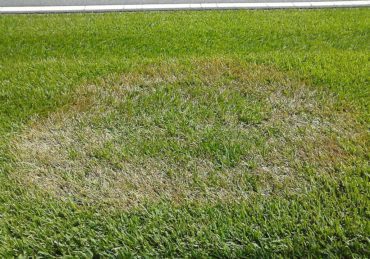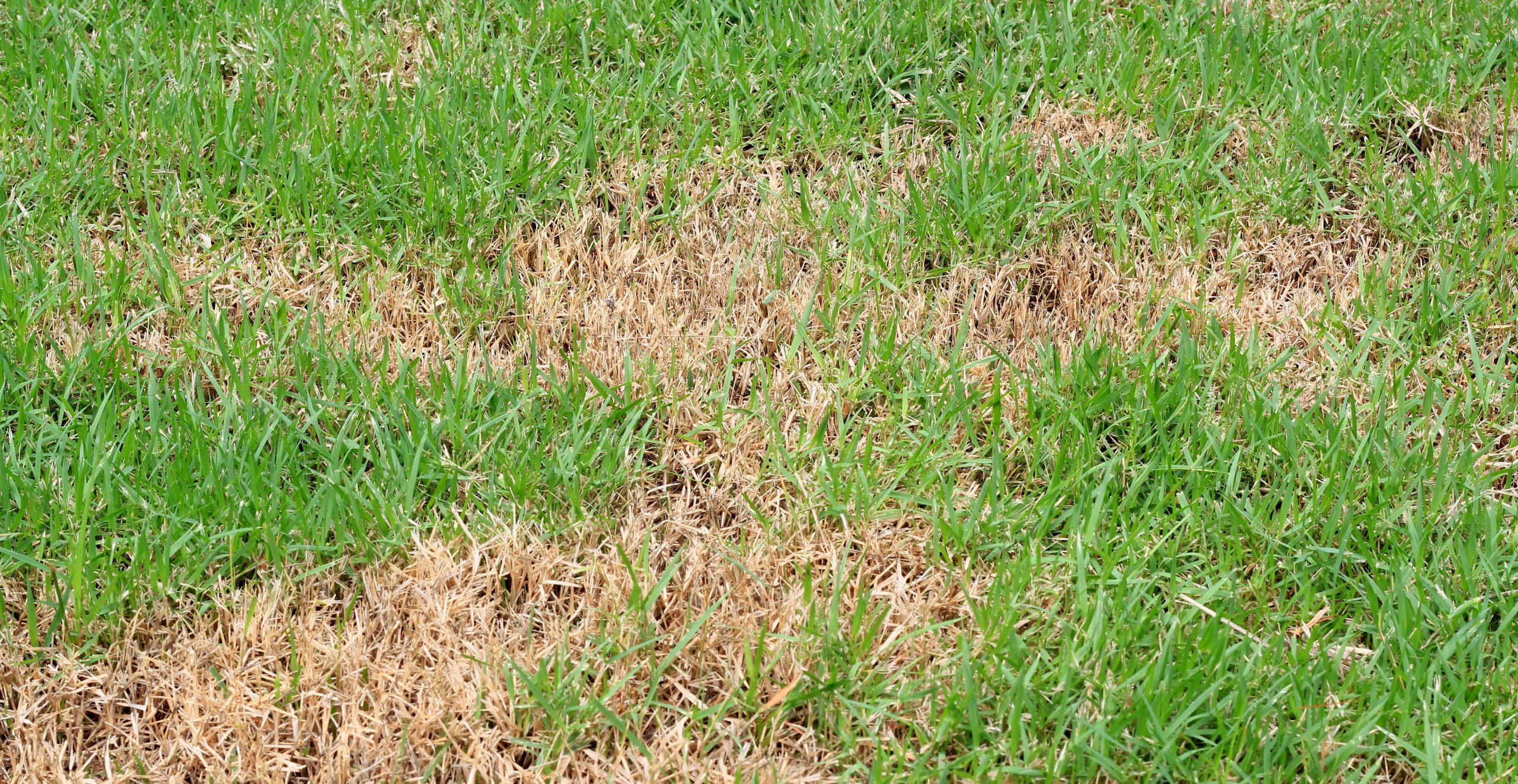
It’s a late July afternoon, and you’ve just stepped barefoot onto your front lawn. The heat hits your skin, but your biggest concern is the patchy brown spots creeping across the yard. You’ve watered, mowed, and hoped, but something isn’t clicking. Here’s the truth: if your lawn doesn’t match your local conditions, no amount of effort will make it thrive.
Below, we’ll walk you through the different types of grass in Florida, which ones fit your yard’s conditions, and what it actually takes to keep them green year-round.
The Best Grass Types for Florida Lawns
Florida lawns grow best with warm-season grasses. St. Augustine, Zoysiagrass, Bermudagrass, and Centipedegrass are the four most common. Each one handles heat differently, and choosing the wrong type for your sun exposure or soil can leave you with bare patches, thatch, or weeds.
Florida Grass Options
- St. Augustine: Great for shade, moderate upkeep
- Bermudagrass: Best for sun and heavy traffic
- Zoysiagrass: Dense, weed-resistant, slower to grow
- Centipedegrass: Low-maintenance, struggles with wear
When Sunlight Plays Favorites: Matching Grass to Shade and Heat
You’re not imagining it, one side of your yard grows like crazy while the other never quite fills in. Most Florida lawns deal with uneven sun thanks to palm trees, fencing, or your neighbor’s oversized shed.
St. Augustine: Reliable in Partial Shade
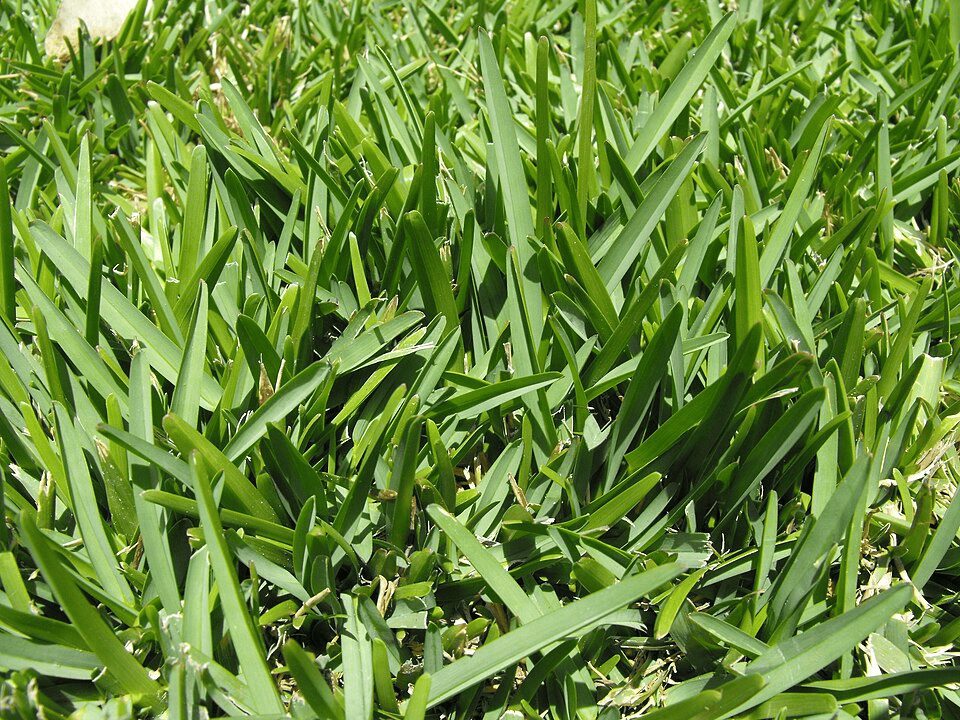
If you’ve got filtered light or areas shaded for part of the day, St. Augustine tends to hold up better than the others. The blades are broader, and it spreads thick and fast. It’s not the cheapest grass to maintain, but for homeowners dealing with tree cover or buildings, it’s often the only one that doesn’t thin out.
Reality Check
St. Augustine won’t love deep shade. If a spot never gets more than 3 hours of direct sun, even this tough grass will tap out over time.
Bermudagrass: Built for Full Sun

Open, sunny yards, especially ones that get trampled by kids or dogs, pair well with Bermudagrass. It bounces back fast from wear and grows aggressively. But this grass hates shade. Even partial coverage can lead to thinning or invasion by weeds.
Soil Trouble? Why Grass Type Should Match Your Dirt
You’d be surprised how much soil type can mess with your lawn. From sandy coastal lots to richer inland loam, Florida soil is all over the map, and not every grass plays nice with it.
Centipedegrass: Works With Sandy, Poor Soils
Some homeowners assume a lack of topsoil or low fertility means they’ll never have a decent yard. Centipedegrass proves that wrong. It tolerates poor soil without needing heavy fertilizer. But it’s soft-spoken. Step on it too much, and it takes the hit.
Zoysiagrass: Fussy Starter, Long-Term Payoff

If you’ve got better soil or don’t mind prepping for a healthier base, Zoysiagrass rewards patience. Once it’s in, it builds a dense mat that blocks out weeds. But it’s not a quick fix. Zoysia spreads slower and demands steady care early on.
What Kind of Grass Grows in Florida’s Different Regions?
Just because you live in Florida doesn’t mean the climate is the same statewide. Northern counties get cooler winters, while south Florida stays warm and muggy nearly year-round.
Northern Florida: Cold Snaps and Dormancy
If you’re up around Gainesville or Tallahassee, expect your grass to go brown in winter, no matter the type. Bermudagrass and Zoysiagrass handle the cold better than St. Augustine, though none stay fully green through a frost.
South Florida: Year-Round Growth With Disease Risks
In places like Miami or Naples, the heat and humidity never let up. That keeps warm-season grasses growing almost year-round, but also means fungal issues and pest problems are more common. St. Augustine and Zoysia thrive here, as long as they’re monitored for chinch bugs and brown patch.
The Most Common Grass in Florida Lawns
If you looked at ten random front yards across the state, odds are half of them use St. Augustine. It’s not because it’s perfect, it just does “pretty good” in most conditions. Moderate sun, average soil, and homeowners who want a yard that looks lush without constant attention find it checks enough boxes.
That said, more homeowners are switching to Zoysiagrass in newer builds, especially where appearance matters more than speed. Bermudagrass shows up more on commercial properties, parks, and homes with wide open exposure.
Maintenance Matters: What to Know Before Choosing
Picking a grass type isn’t a one-and-done decision. Each one sets you up for a different kind of maintenance throughout the year.
Watering Schedules
Zoysia and Bermuda handle drought better than St. Augustine or Centipedegrass. But all of them need watering if there’s no rain for more than 5–7 days during peak summer heat. Water early, ideally before 9 a.m., to help roots soak it in.
Mowing Height
Here’s where many homeowners get it wrong. Mow St. Augustine too short, and it burns. Let Bermuda get too tall, and it goes stringy. Each type has a “comfort zone”:
- St. Augustine: 3.5 to 4 inches
- Zoysiagrass: 2 to 2.5 inches
- Bermudagrass: 1 to 1.5 inches
- Centipedegrass: 1.5 to 2 inches
If you’re bouncing between work, travel, and school drop-offs, services like LawnGuru can keep your lawn on schedule without you stressing the mower.
Florida Grass Questions Answered
What is the easiest grass to maintain in Florida?
Centipedegrass requires the least fertilizer and irrigation. It’s not ideal for high-traffic areas, but for homeowners who want low upkeep, it fits.
Can I mix different grass types in one yard?
You can, but it’s tricky. Some combinations like St. Augustine in shaded areas and Bermuda in sunny spots can work. Just know that they’ll grow at different rates and need different mowing heights.
Why is my St. Augustine grass turning yellow?
It could be chinch bugs, poor drainage, or too much fertilizer. If watering hasn’t helped, you may need a soil test or pest inspection.
Talk to a Local Pro Before You Re-Sod That Lawn
There’s no universal “best” grass in Florida, only the right match for your yard’s conditions and how you use the space. Whether you’ve got kids tearing up the backyard, trees blocking half the sun, or a second home that’s empty half the year, the right grass choice makes maintenance easier and results better.
If you’re not sure where to start, booking a service through LawnGuru lets you connect with pros who know your region and can keep your lawn on track season after season.