Over 90% of homeowners say a healthy lawn matters for curb appeal. If you live somewhere with real fall and winter cold, picking the right grass type is what gets you that thick, green lawn instead of a patchy struggle. That’s where cool season grasses come in. They’re built for places where temps drop hard in fall, stay cold through winter, and don’t really warm up until spring.
Unlike their warm-season counterparts that shut down when it gets cold, cool season grasses keep growing when air temps sit around 60°F to 75°F. That’s why they’re the go-to choice across much of the United States, Canada, and other temperate areas. The better you understand what each type likes, the easier it is to keep your lawn looking solid year after year.
What Exactly Are Cool Season Grasses?
Cool season grasses are named for when they grow best. They wake up in early spring once the soil starts warming, push hard again in the cooler fall weeks, and can stay somewhat green during mild winter stretches. According to Purdue University Turfgrass Science, they have metabolic traits that let them photosynthesize efficiently in cooler weather. They also tend to build deeper roots than warm-season grasses, which helps them get through summer dry spells and heat when they slow down into a semi-dormant phase.
They’re a good fit if your area has:
- Cold winters: They can handle freezing temps and make it through harsh weather.
- Moderate summers: Summer can stress them, but they usually bounce back.
- Distinct growing seasons: You’ll see clear growth bursts in spring and fall.
The Top Cool Season Grass Varieties for Your Lawn
“Cool season grass” covers a few different species, and they don’t all behave the same. Some fill in on their own, some sprout fast, and some are better in shade or lower-quality soil. The right pick depends on your yard conditions and what you want it to look like.
1. Kentucky Bluegrass (Poa pratensis)
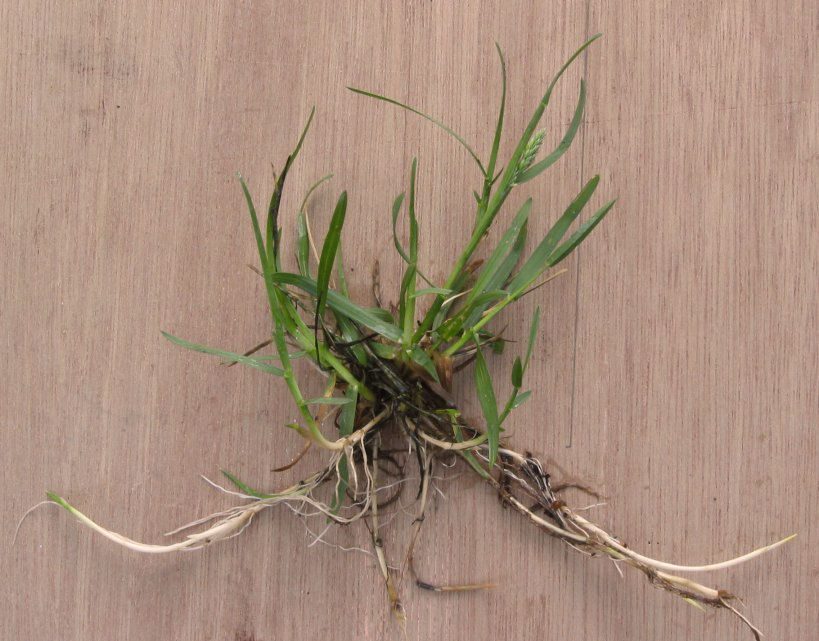
Kentucky bluegrass is known for that rich, dark green color and a fine-to-medium feel underfoot. It spreads through rhizomes, so it can repair itself and fill thin spots over time. It also handles cold weather very well.
- Pros: Strong cold hardiness, great color and texture, repairs itself well.
- Cons: Takes time to establish, can deal with diseases like summer patch, and needs moderate to high upkeep (watering and fertilizer).
2. Perennial Ryegrass (Lolium perenne)
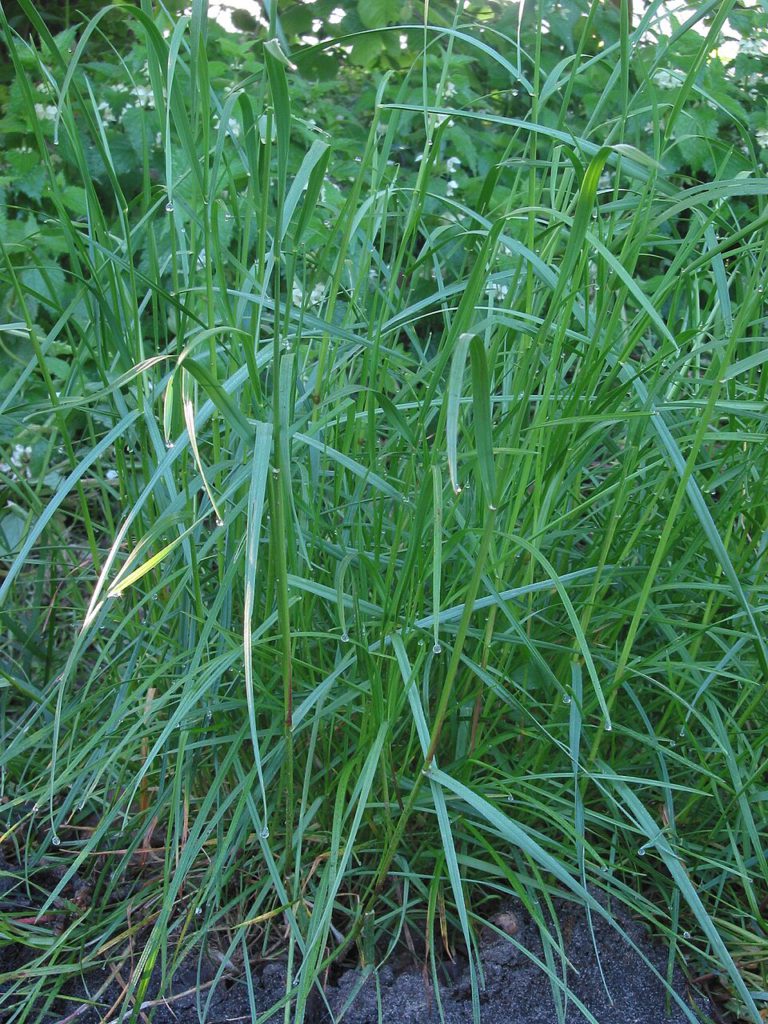
Perennial ryegrass pops up fast, which is why people use it for overseeding or fixing bare areas quickly. It has a bright green color, a fine-to-medium texture, and it stands up decently to foot traffic.
- Pros: Germinates quickly, holds up to wear, great for overseeding.
- Cons: Not as cold-hardy as Kentucky bluegrass, can run into some diseases, and it doesn’t spread through rhizomes.
3. Fine Fescue (Festuca spp.)
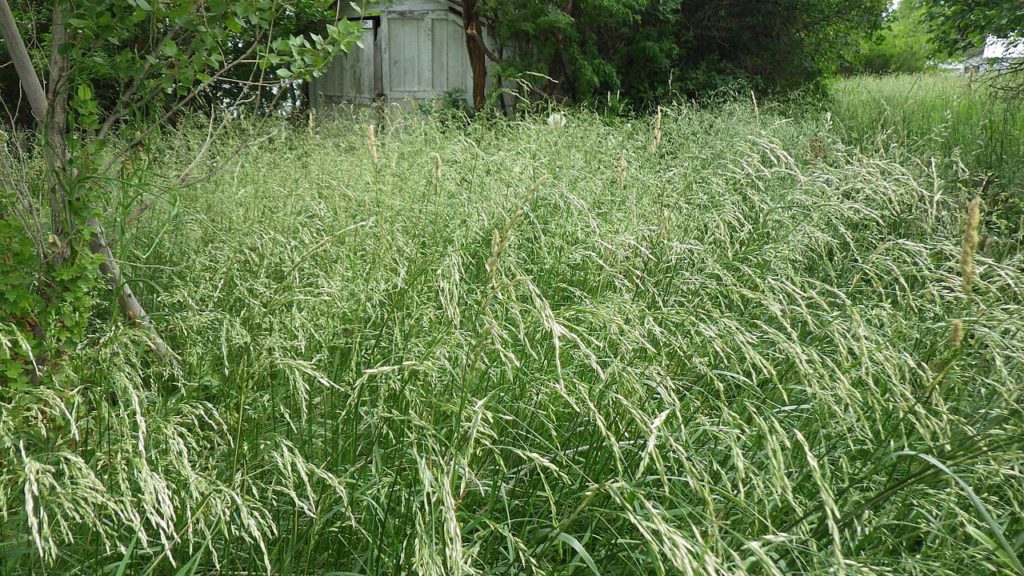
Fine fescue is a group that includes Creeping Red Fescue, Chewings Fescue, and Hard Fescue. These are popular when you want lower maintenance, better shade performance, and grass that doesn’t demand rich soil. They’re fine-textured and often lean deep green to bluish-green.
- Pros: Handles shade well, needs less fertilizer, becomes drought tolerant once established, works well in low-maintenance areas.
- Cons: Only moderate to low wear tolerance, and it can be susceptible to grubs and chinch bugs.
4. Tall Fescue (Festuca arundinacea)
Tall fescue has become a favorite because it grows a deep root system, which helps with drought tolerance. It’s usually medium to coarse in texture, stays a solid dark green, and holds up well in busy yards and different soil types.
- Pros: Deep roots help with drought, good wear resistance, tolerates heat better than many cool season types, strong disease resistance.
- Cons: Texture can feel coarser than other cool season grasses, and it can go semi-dormant in extreme heat.
Essential Care for Your Cool Season Grass Lawn
Cool season lawns do best when you work with their growth cycle instead of fighting it. Spring and fall are when they want to grow, so that’s when the biggest gains happen. Following a structured lawn care schedule for cool season grasses helps you hit the right timing windows.
Watering Wisely
Cool season grasses typically need around 1 to 1.5 inches of water per week from rain or irrigation. The goal is deep, spaced-out watering so roots grow down instead of hovering near the surface. Water early in the morning to cut evaporation and lower the chances of fungal issues. During hotter months, it helps to know how long to water lawn in summer so you’re not guessing and accidentally pushing the lawn into dormancy.
Fertilization Strategies
Fertilizer keeps cool season grass thick and green, but timing matters. The main feeding windows are fall and early spring, when the grass is naturally in growth mode. If you want the timing laid out, when to fertilize lawn breaks it down. Try not to go heavy in the middle of summer, because that’s when the lawn is already stressed.
A soil test helps you avoid throwing down the wrong thing. The Soil Science Society of America explains how to take a proper sample.
Mowing Techniques
Mowing height makes a bigger difference than most people expect. For most cool season grasses, staying around 2.5 to 3.5 inches is a good range, and this guide on how short to cut your grass lines up with that. Taller grass shades the soil, holds moisture longer, and helps crowd out weeds.
Also, don’t scalp it. A good rule is never taking more than one-third of the blade off at once.
Aeration and Dethatching
Thatch is that layer of dead stems and roots that builds up between the grass and the soil. A little is normal, but too much blocks water and nutrients from getting where they need to go. This explains what is lawn thatch and when to dethatch so you can tell when it’s actually a problem.
Aeration is usually best in fall and works by pulling small soil plugs to open things up. If you haven’t done it before, how to aerate your lawn walks through the basics and why it helps.
Weed and Pest Management
The strongest weed control is a thick lawn. When watering, mowing, and feeding are consistent, turf is dense enough to crowd out a lot of weeds on its own. If something breaks through, it’s worth identifying the exact weed or pest first so you’re not treating the wrong thing.
Local extension offices are useful for this because they deal with your region’s common issues. The UMass Amherst Extension is one example of a place that publishes practical, region-aware guidance.
The Benefits of Choosing Cool Season Grasses
Cool season grasses come with some clear upsides if you live in the right climate:
- Extended Green Period: You get green color for more of the year compared to warm season lawns.
- Cold Tolerance: They’re made to handle freezing temps and winter conditions.
- Excellent Aesthetics: Kentucky bluegrass, in particular, can give a deep, polished look.
- Resilience: Many types recover well from wear and tear.
A strong lawn in cooler climates starts with picking the right cool season grass and then caring for it based on when it wants to grow. Once you understand how Kentucky bluegrass, perennial ryegrass, fine fescues, and tall fescue differ, the maintenance gets more predictable. Pair that with smart watering, well-timed fertilizer, consistent mowing, and the right aeration and dethatching habits, and your lawn has what it needs to look good through spring and fall.
Frequently Asked Questions (FAQs)
When is the best time to plant cool season grass seed?
The best time to plant grass seed is late summer to early fall (August to October). The soil still holds summer warmth, but the air cools down, which supports germination and early root growth. Spring is the second-best window.
How much water do cool season grasses need?
Most cool season lawns need about 1 to 1.5 inches of water per week from rainfall or irrigation. Water deeply and less often so roots grow down. Adjust based on weather and soil type.
Can cool season grasses survive hot summers?
They can, especially when they’re established and cared for well. In summer heat, they may go semi-dormant and look brownish, but they usually green up again when temperatures drop in fall. Tall fescue tends to handle heat better than many other cool season grasses.
How often should I fertilize my cool season lawn?
Fall and early spring are the most important times, because that matches their active growth. A light application in late spring can help too. Avoid heavy fertilizer during summer heat.