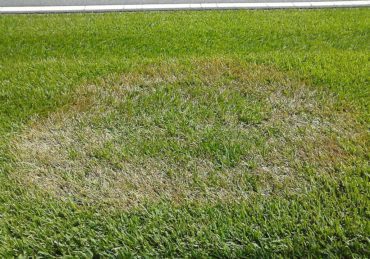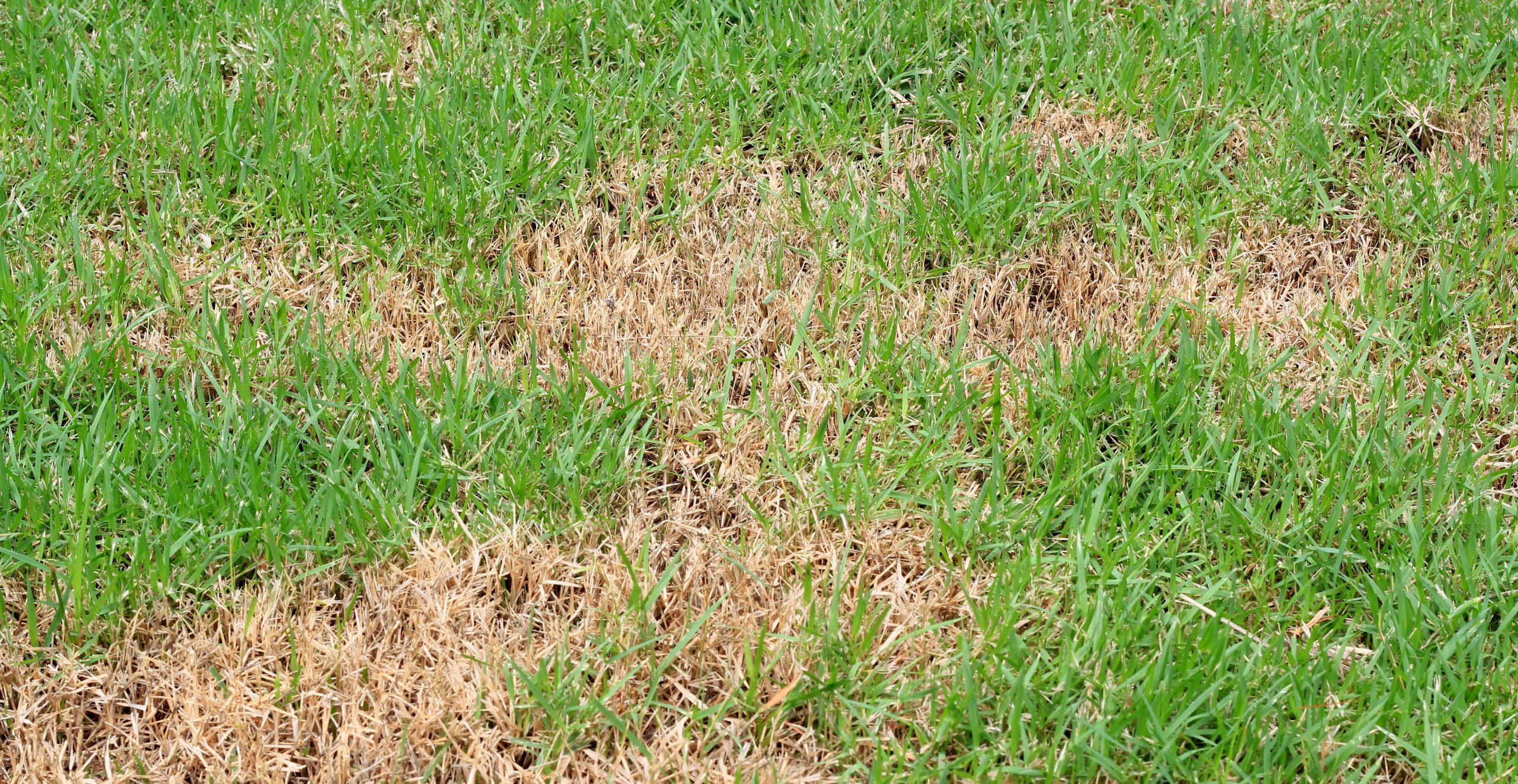
Dry summers and watering restrictions leave a lot of lawns brown and patchy. Even with irrigation, not all grass types handle prolonged heat stress or sandy soils well. If your lawn struggles to stay green when rainfall drops off, it’s time to rethink your seed choice.
The best drought resistant grass seed depends on your region, sun exposure, and how much care you want to put in. Warm-season grasses like Bermuda and Zoysia have the deepest roots and best survival in hot, dry climates. For northern lawns, Tall Fescue performs well without constant watering. Seed blends that include fine fescues or drought-optimized cultivars often give the best results in mixed conditions.
| Grass Type | Season | Drought Resistance | Best Fit |
|---|---|---|---|
| Bermuda | Warm | High | Full sun, high traffic |
| Zoysia | Warm | High | Sun/part sun, thick lawn |
| Tall Fescue | Cool | Moderate–High | Transitional zones, all-purpose |
| Fine Fescue Blend | Cool | Moderate | Shade, low-traffic areas |
| Buffalo Grass | Warm | Very High | Natural look, Great Plains |
| Bahia | Warm | High | Sandy soils, southern zones |
What Makes Grass Drought Resistant
When the weather dries out, you want grass that doesn’t wilt or die quickly. Drought resistance comes down to how well a grass type holds up under stress, how quickly it recovers, and how much water it actually needs to stay green.
Root System Depth
Grasses with deeper roots draw moisture from lower in the soil profile. Tall Fescue and Buffalo Grass send roots as deep as 6–12 inches once established, which gives them more time before stress sets in.
Leaf Texture and Evaporation
Fine-leaf grasses like hard fescue lose less water through their blades than wide-blade types. Zoysia has a thick mat of narrow blades that helps lock in soil moisture.
Dormancy vs. Resilience
Some grasses go brown fast under drought (dormancy), then bounce back. Others hold green longer. Bermuda often goes dormant but recovers well. Tall Fescue can hold color longer but takes more damage if drought is severe and prolonged.
Best Drought Resistant Grass Seed by Region
Many grass seed products are marketed as drought tolerant, but performance varies depending on where you live. The best drought resistant grass for your yard will fit your local conditions, not just the label.
Southern Lawns (Warm-Season Regions)
- Bermuda: High drought resistance, quick recovery, needs full sun. Good for high-traffic areas.
- Zoysia: Denser and more shade-tolerant than Bermuda. Slower to establish but once rooted, extremely drought hardy.
- Bahia: Great for sandy soils and roadside conditions. Coarse texture but survives neglect.
- Buffalo Grass: Very low water requirements. Soft texture, but not as uniform as turfgrass types.
Northern Lawns (Cool-Season Regions)
- Tall Fescue: Best drought performance among cool-season options. Deep roots, good color retention, and suitable for sun or part shade.
- Fine Fescue Blend: Contains creeping red, chewings, and hard fescue. Grows in shade, needs little water, but doesn’t hold up to foot traffic.
Job habit: For transitional zones (mid-Atlantic, upper South), a tall fescue and Zoysia combination offers year-round coverage with strong drought performance.
Seed Mixes That Improve Drought Tolerance
A single grass type rarely solves everything. Most seed bags include a blend for balanced performance.
Look for:
- Tall Fescue blends with named varieties like ‘Titan RX’, ‘Rebel IV’, or ‘Rhambler SRP’
- Fine Fescue mixes with 3 or more types for shaded and partial-sun areas
- Warm-season plugs or coated seed for Zoysia and Bermuda (note: not always seed-based)
Avoid:
- Seed bags that don’t list cultivar names
- High percentages of perennial ryegrass, which dries out fast
Common Failure Conditions with Drought Resistant Grass
Not all lawns respond the same way to dry conditions. These are situations where the expected drought resistance can fall short:
- Shaded areas with Bermuda – it thins quickly without full sun
- Heavy clay soil and Buffalo Grass – poor drainage leads to root rot
- Tall Fescue on slopes – water drains too quickly, causing dry spots
- Zoysia seed not kept moist during germination – slow to establish
- Mowing fine fescue too short – weakens the plant and reduces drought survival
- Poor seed-to-soil contact – leads to patchy germination and wasted seed
Safety check: Always water newly seeded areas consistently for the first 3–4 weeks. Even drought resistant grasses need moisture to sprout and root.
How to Verify Drought Resistance in Your Yard
You can assess how well your lawn is performing under dry conditions by using two simple checks.
- Color lag test
- Observe how long it takes your grass to shift from green to dull blue-gray once watering stops.
- A delay of 5–7 days suggests good drought tolerance.
- Recovery bounce test
- After light rainfall or irrigation, monitor how fast the grass greens back up.
- A recovery window under 3 days is typical for resilient species like Zoysia and Tall Fescue.
If your grass browns and doesn’t recover within 7–10 days after water returns, it’s likely not a drought tolerant variety, or the roots weren’t established deeply enough.
Decision Check: What Grass Should You Plant?
Use these real-world conditions to match your lawn to the right drought resistant grass:
- If you live in a full-sun southern zone, choose Bermuda or Zoysia
- If you get cold winters and hot summers, go with Tall Fescue
- If you want a soft, low-water grass in a dry region, try Buffalo Grass
- If your soil is sandy, Bahia is the better option
- If you have partial shade, use a fine fescue blend or shade-tolerant tall fescue
- If you can only water once a week, prioritize deep-rooted types like Zoysia or turf-type tall fescue
- Stop and reassess if you’re reseeding the same spots every year, your grass type likely isn’t adapted to your conditions
FAQ
What is the most drought resistant grass?
Buffalo Grass ranks highest in drought resistance for warm-season lawns. Among cool-season types, Tall Fescue performs best under water stress.
What is the best drought resistant grass seed for a northern climate?
Turf-type Tall Fescue is the top pick. It combines deep roots with decent cold hardiness and holds green longer than Kentucky Bluegrass or Ryegrass.
Can I overseed my lawn with drought tolerant grass?
Yes. Tall Fescue blends are commonly used to improve drought resilience in mixed lawns. Overseed during fall or early spring and water consistently for the first 2–3 weeks.
Is it worth switching from Kentucky Bluegrass?
If you’re dealing with frequent dry spells or high water bills, switching to Tall Fescue or a fescue blend can reduce watering needs and improve survival during drought.
Don’t Have Time to Reseed? Get Help From a Local Pro
If you’re not sure which grass works for your yard or don’t want to tackle seeding yourself, LawnGuru connects you with reliable local pros who know what grows well in your area. Whether it’s patching problem spots or starting fresh, we make drought-resistant lawn care easier.