
Georgia sits firmly in the warm-season grasses belt, especially from central Georgia down through the coastal plain. Hot summers, mild winters, and clay-heavy soils shape which grass types can thrive here.
If you’ve struggled with patchy or brown grass year after year, chances are the type of grass isn’t a good match for your yard’s conditions, like too much shade, poor drainage, or the wrong seasonal care.
Georgia lawns do best with warm-season grasses like Zoysia, Bermuda, Centipede, and St. Augustine. These varieties handle heat, humidity, and heavy rainfall. Zoysia stands out for combining durability with softness, especially in partially shaded yards. If you’re in northern Georgia or have lots of tree cover, tall fescue might work as a seasonal option but requires more maintenance.
Georgia’s Grass Zones Explained
Most of Georgia falls into USDA Hardiness Zones 7b–9a. That means long, hot summers and relatively mild winters. Warm-season grasses thrive here because they actively grow when temperatures are consistently above 65°F.
In northern Georgia, winters are slightly colder, which opens the door for some cool-season options. But across most of the state, warm-season grasses dominate for a reason, they handle heat, humidity, and summer stress better.
Popular Warm-Season Grasses for Georgia Lawns
Zoysia
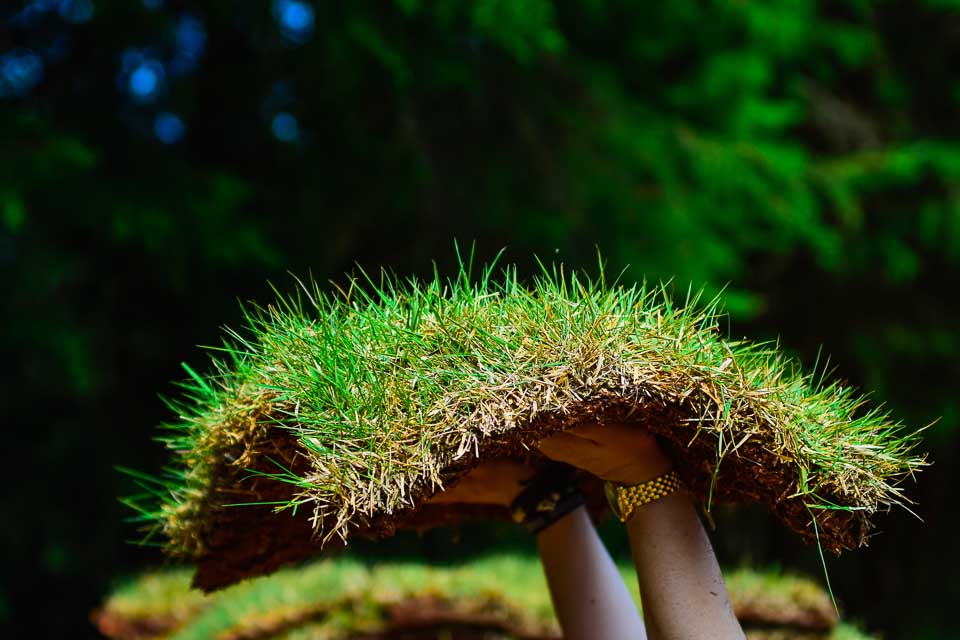
Zoysia is known for its dense, carpet-like feel. It tolerates heat, moderate shade, and drought once established. Growth is slower than Bermuda, so mowing isn’t as frequent, but it also takes longer to recover from heavy wear.
Bermuda
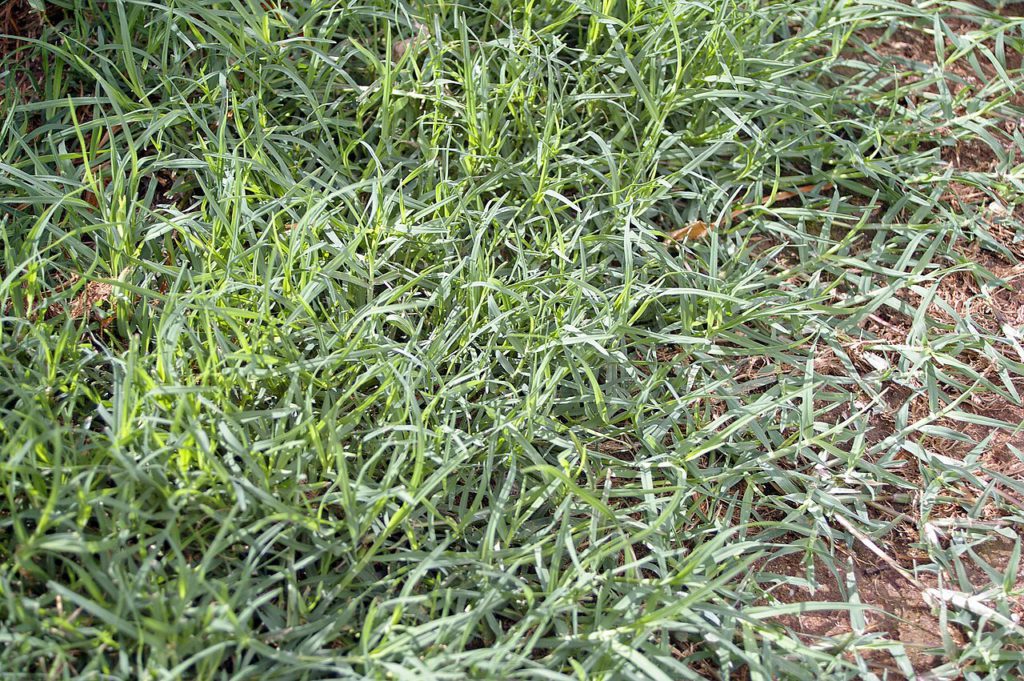
Bermuda is ideal for full sun and high-traffic lawns. It spreads aggressively and repairs damage quickly. It needs at least 6–8 hours of direct sun and regular how early is too early to mow the lawn to stay thick.
Centipede
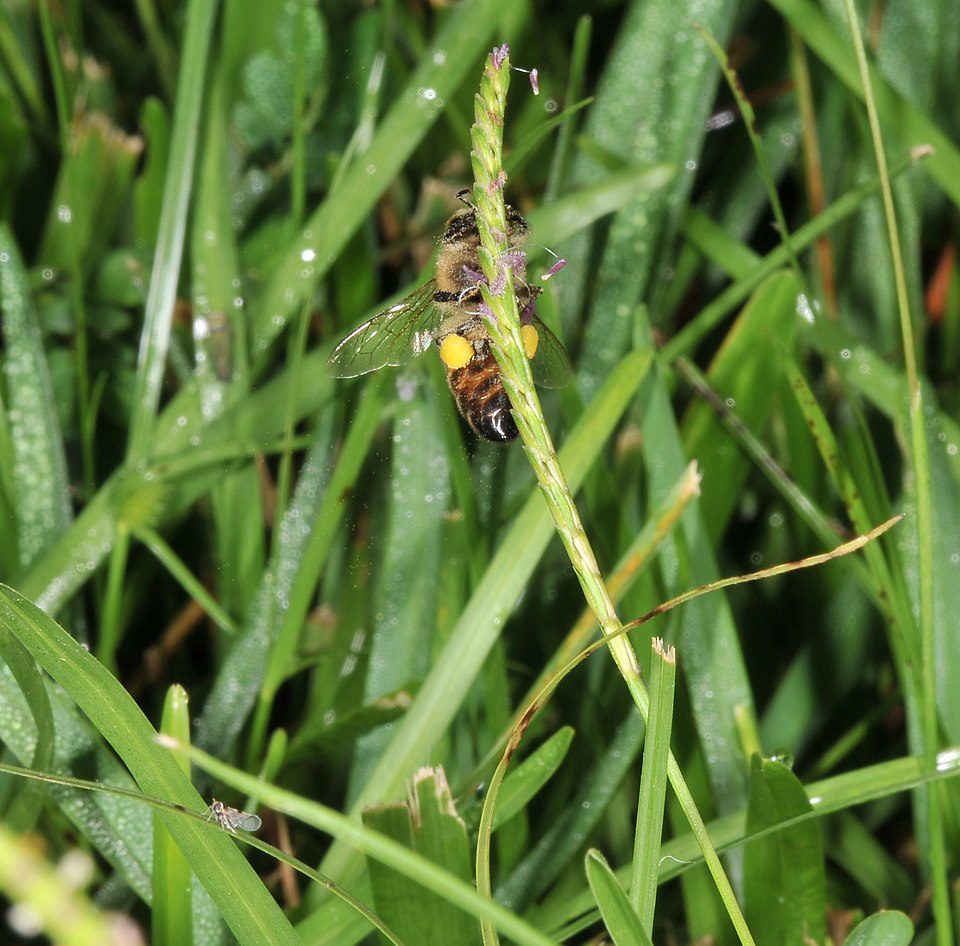
Centipede is often called a “low-maintenance” grass. It grows slowly and prefers slightly acidic soil. It doesn’t handle heavy foot traffic well, but it works for homeowners who want a simple, steady lawn without constant upkeep.
St. Augustine
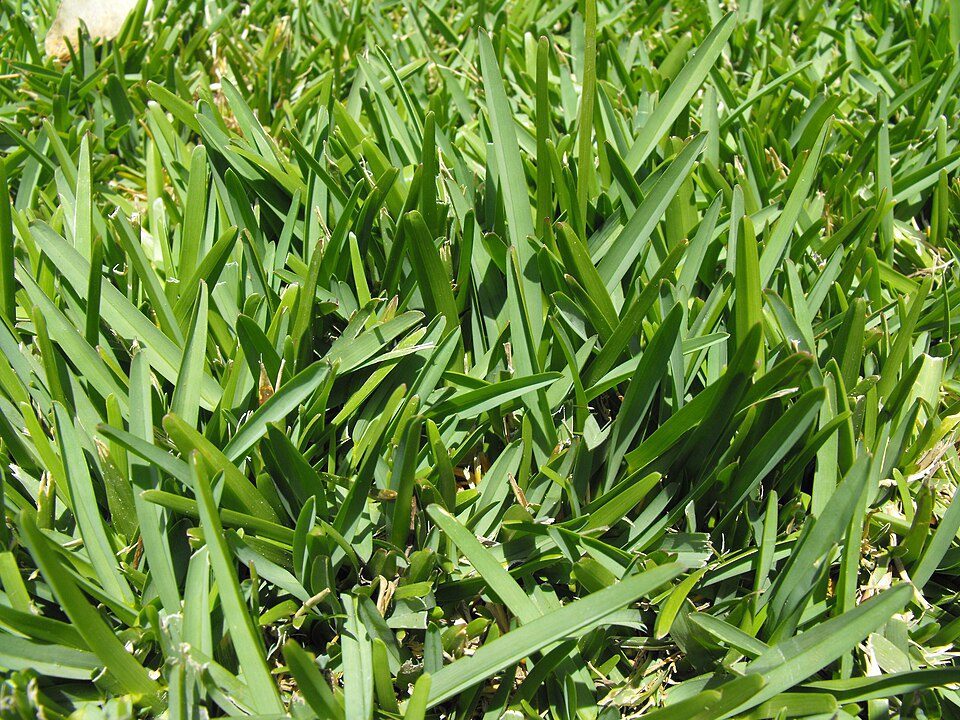
St. Augustine has wide blades and thick coverage. It handles shade better than Bermuda but requires more consistent watering. It’s more common in southern Georgia because it doesn’t tolerate cold as well as Zoysia or Bermuda grass in winter.
What to Know About Zoysia Grass Varieties
Zoysia isn’t just one grass. Several cultivars perform well in Georgia, according to the University of Georgia Extension.
Emerald Zoysia
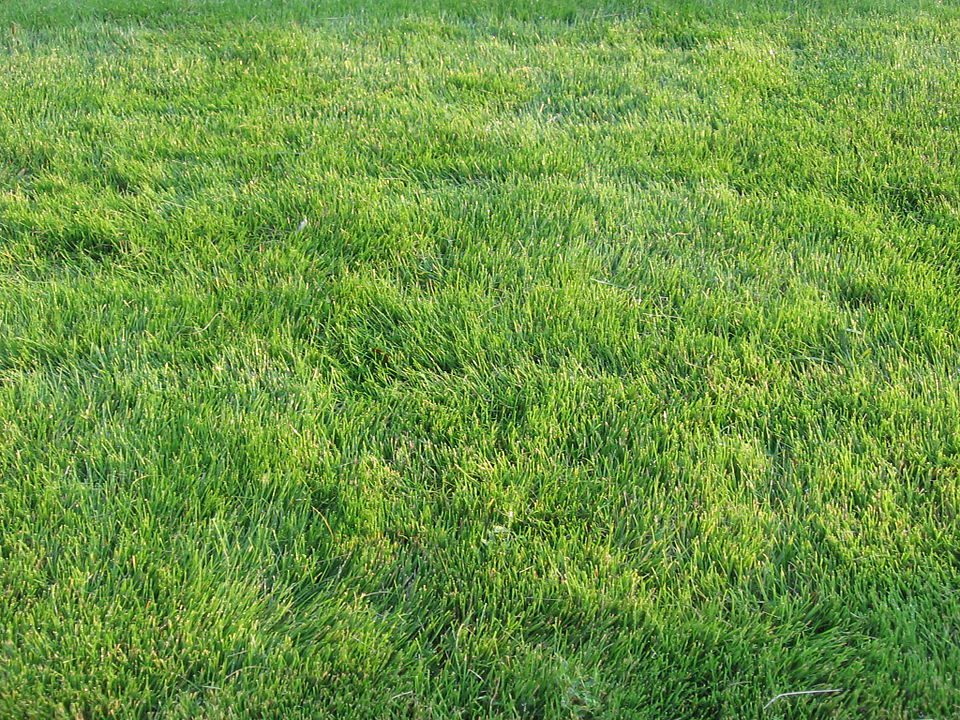
Fine-bladed and dense. Works well in partial shade and gives a manicured look. Needs well-draining soil.
Zeon Zoysia
Soft texture and strong shade tolerance. A good balance between appearance and durability.
Zenith Zoysia
Slightly coarser and more cold-tolerant. One of the few Zoysia varieties available as seed rather than just sod or plugs.
Zoysia typically greens up later in spring than Bermuda but keeps its color longer into fall. It may need dethatching every few years if thatch builds up.
Cool-Season Grasses: Do They Work in Georgia?
Tall fescue is the main cool-season grass used in Georgia, mostly in northern areas or heavily shaded yards. It stays green through winter and tolerates shade better than most warm-season grasses.
The challenge is summer. Extended heat and humidity can stress fescue quickly. Many homeowners overseed each fall to keep it thick. In central and southern Georgia, it’s usually a short-term solution rather than a permanent one.
Where Homeowners Often Go Wrong
A common mistake is choosing grass based only on appearance. A lawn that looks great in photos might fail if your yard doesn’t have the right conditions.
Too much shade weakens Bermuda. Compacted clay can slow Zoysia establishment. Fescue planted in full sun often struggles in peak summer. Overwatering Centipede can lead to disease problems.
Matching grass to real yard conditions makes more difference than brand or variety.
The Best Grass Type Based on Your Yard’s Conditions
If you’re unsure where to start, use your yard’s sun exposure, traffic level, and maintenance preference as a guide.
Match Your Lawn Conditions to the Right Grass Type
| Lawn Condition | Best Grass Type | Types to Avoid | Notes |
|---|---|---|---|
| Full Sun + High Traffic | Bermuda | Fine-blade Zoysia | Recovers quickly but needs frequent mowing |
| Partial Shade | Zeon or Emerald Zoysia | Bermuda | Zoysia handles filtered light well |
| Low Maintenance Desired | Centipede | St. Augustine | Slower growth, fewer mowings |
| Shady, Cooler North GA Areas | Tall Fescue | Most warm-season | May require fall overseeding |
Use this as a starting point. Trees, slope, drainage, and soil type can all shift what works best.
What to Do Before You Choose or Switch Grass
Before buying seed or sod, spend time evaluating your lawn. If you are worried about the landscaping cost, careful planning is essential.
Track how many hours of direct sun each section gets. Test soil pH with a basic kit. Notice where water pools after rain. Watch how pets and people use the yard.
Fixing compaction or drainage issues before replanting gives any grass a better chance to succeed.
The Habits That Keep It Working
Every grass type needs consistent basics. Checking a winter grass care guide can help you maintain health during the off-season.
Bermuda performs best cut at about 1–2 inches. Zoysia typically stays healthy between 1.5–2.5 inches. Centipede does well around 1.5–2 inches. Tall fescue prefers a taller height, usually 3–4 inches.
Most lawns need about 1 inch of water per week, including rainfall. Warm-season grasses should not be fertilized too early in spring before consistent growth begins.
Common Questions About Georgia Grass Types
Is Zoysia better than Bermuda in Georgia?
It depends on sun and traffic. Zoysia handles some shade and feels softer. Bermuda recovers faster in full sun and heavy use.
Can I grow fescue year-round in Georgia?
In northern Georgia, yes, with proper summer care. In hotter areas, it often struggles during peak heat.
What grass handles shade best in Georgia?
Among warm-season grasses, certain Zoysia varieties handle shade best. In deep shade, tall fescue may perform better.
Why does my grass die every summer?
Cool-season grass exposed to extreme heat is a common cause. Poor drainage or overwatering can also weaken roots.
How do I identify my current grass type?
Look at blade width, growth pattern, and how it spreads. Bermuda spreads aggressively. Zoysia is dense and thick. Centipede grows more slowly with lighter color.
Should I mix grass types in one lawn?
Mixing types often creates uneven growth patterns and maintenance challenges. Most homeowners are better off sticking to one primary grass.
What’s the softest lawn grass option in Georgia?
Fine-blade Zoysia varieties tend to feel softer underfoot while still holding up to moderate activity.
Choosing the Right Grass for a Georgia Lawn
The best grass for your Georgia yard isn’t about what’s popular, it’s about what fits your sun exposure, soil, and how you use the space. Warm-season grasses work for most of the state, but the details matter.
Take time to match the grass to your actual conditions. That’s what keeps a lawn consistent year after year.
Prefer Help Over Guesswork? Here’s a Smarter Way
If you’re unsure which grass type makes sense for your yard, getting local input can save time and frustration. LawnGuru connects homeowners with lawn care professionals who understand Georgia growing conditions. Whether you want advice or full-service help, you can use our lawn mowing cost calculator to see where you stand. You can choose the level of support that fits your situation.