
Zoysia grass is one of the most popular warm-season choices across the South and transition zone, but it earns that reputation slowly. Plant the seed at the wrong time and you get patchy germination, weak establishment, and a lawn that struggles into fall. Plant it in the right window and zoysia settles in thick, crowd out weeds on its own, and handles summer heat and drought with little intervention. This guide covers when to plant zoysia grass seed nationally, specific windows for Texas and Georgia, how to tell if your soil is actually ready, and what to expect during establishment.
Quick Answer: Plant zoysia grass seed in late spring to early summer, typically May through June, once soil temperatures consistently reach 65–70°F and daytime air temperatures are in the 70s to low 90s. In Texas, the window opens as early as late March. In Georgia, late March through May works well. Do not plant based on calendar date alone, soil temperature is the actual trigger for germination. Zoysia seed takes 14 to 21 days to sprout under ideal conditions.
What Kind of Grass Is Zoysia and Why Timing Matters So Much

Zoysia is a warm-season grass, which means it grows actively during warm months and goes dormant when temperatures drop below roughly 55°F. The most commonly seeded species is Zoysia japonica, with varieties like Zenith and Compadre available in seed form at most garden centers. Higher-end varieties, Palisades, Empire, El Toro, are only available as sod or plugs because they don’t produce viable seed reliably.
Because zoysia germination is driven by soil warmth, not calendar date, planting too early is one of the most common mistakes. Seed sitting in cold soil does not sprout. It either rots or waits, and in both cases you’ve lost time in the growing season you need for the grass to establish before frost.
The warm season and cool season grass types guide covers how zoysia fits into the broader warm-season category alongside Bermuda grass and St. Augustine, which helps set expectations for growth rate and seasonal behavior.
When to Plant Zoysia Grass Seed: The Ideal National Window
The best time to plant zoysia grass seed is late spring to early summer, once the soil has warmed and the risk of frost is gone. Two temperature thresholds determine readiness.
Soil temperature: 65–70°F minimum. This is the non-negotiable threshold for zoysia germination. Use a soil thermometer to check at two to three inches of depth, surface readings are usually warmer and misleading. Most of the U.S. reaches this threshold between late April in the Deep South and late May to early June in the transition zone.
Daytime air temperature: consistently in the 70s to low 90s. Zoysia thrives in heat. Planting when daytime highs are still in the 60s, even with adequate soil temp, produces slow and uneven germination.
| Region | Typical Planting Window | Soil Temp Readiness |
|---|---|---|
| Deep South (FL, AL, MS, LA) | Mid-March to May | Late March–April |
| Mid-South (GA, SC, AR, TN) | Late March to May | April–May |
| Transition Zone (VA, NC, KY, MO) | May to mid-June | Late May |
| Southern Plains (TX, OK) | Late March to May | April–early May |
| Cooler climates (Zone 5 and below) | Not recommended | Rarely reaches threshold |
University of Missouri Extension’s zoysiagrass guide confirms late spring to early summer as the establishment window and recommends confirming soil temperature rather than relying solely on date.
Fall backup window: If you miss the spring window, you can seed in early fall, but only if the grass has at least 60 days of active growing weather before the first expected frost. In most of the transition zone, this makes fall seeding risky. In the Deep South, it works more reliably.
When to Plant Zoysia Grass Seed in Texas
In Texas, zoysia grass seed planting can begin as early as late March in South Texas (USDA zones 9–10) and typically runs through May across the rest of the state. Texas’s warm winters mean soil temperatures reach 65°F earlier than most of the country, often by mid-March in the Rio Grande Valley and by early April in the Dallas-Fort Worth and San Antonio areas.
| Texas Region | Planting Window | Notes |
|---|---|---|
| South Texas (Zone 9–10) | Late March to April | Soil ready by mid-March |
| Central Texas (Austin, San Antonio) | April to May | Watch for late spring heat spikes |
| North Texas (DFW, Waco) | Mid-April to mid-May | Confirm soil temp before planting |
| East Texas (Houston, Beaumont) | March to May | High humidity aids germination |
| Panhandle (Zone 6–7) | May to early June | Last frost arrives later |
The most common zoysia varieties seeded in Texas are Zenith zoysia (Zoysia japonica) and Compadre. Both tolerate Texas heat and recover well from summer drought once established. Palisades Zoysia, the most widely used variety for sod in Central Texas, is a plug or sod installation, it is not available in seed form.
Types of grass in Texas covers how zoysia compares to Bermuda grass and St. Augustine across Texas’s climate zones, which matters when deciding whether seed establishment fits your timeline.
Texas A&M AgriLife Extension’s turfgrass program provides region-specific planting calendars and soil temperature monitoring data for Texas lawns.
When to Plant Zoysia Grass Seed in Georgia
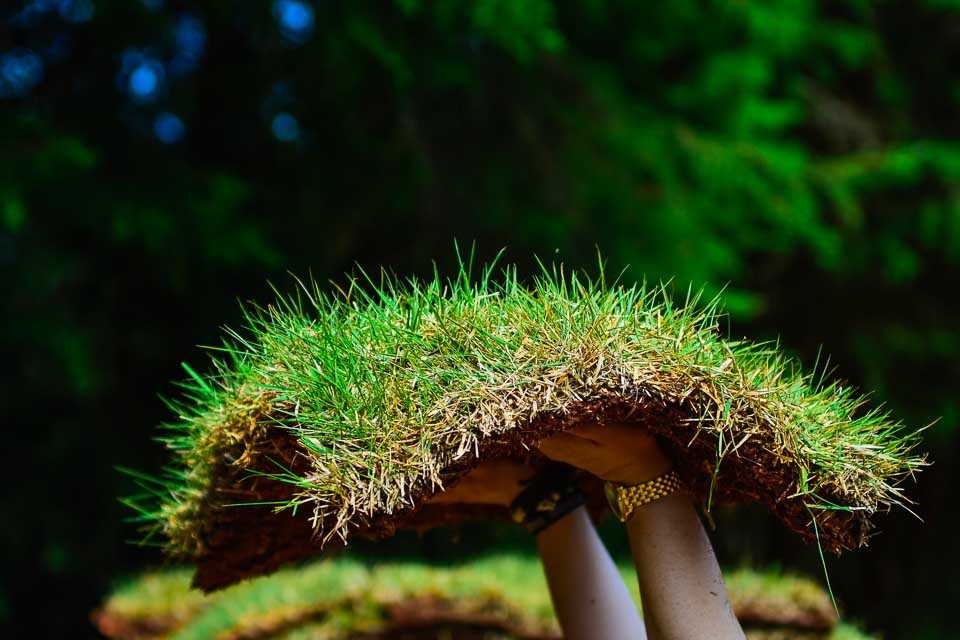
Georgia sits in the transition between the Deep South and the Mid-South, making it one of the more forgiving states for zoysia establishment. Soil temperatures in most of Georgia reach the 65°F threshold between late March and mid-April, giving you a long spring planting window.
| Georgia Region | Planting Window | Notes |
|---|---|---|
| South Georgia (Valdosta, Albany) | Late March to April | Early warm-up; favorable for March seeding |
| Central Georgia (Macon, Columbus) | April to early May | Peak window |
| Metro Atlanta and North Georgia | Late April to May | Later last frost dates; wait on soil temp |
| Mountain Counties (Blue Ridge, Dahlonega) | May to June | Cooler nights extend establishment risk |
Zenith zoysia performs well across most of Georgia. Atlantic coast counties with heavier humidity and sandier soils may benefit from mixing in organic matter before seeding to improve moisture retention during the 14-to-21-day germination period.
Types of grass in Georgia breaks down which warm-season grasses perform best by region of the state.
University of Georgia Cooperative Extension’s lawn and garden resources include timing guides for warm-season grasses across Georgia’s diverse climate zones.
Zoysia Grass Seed vs. Sod vs. Plugs: Which Method Is Right for Your Lawn?
Not all zoysia varieties are available in seed form, and the establishment method you choose significantly affects timeline and cost.
| Method | Varieties Available | Time to Full Cover | Best For |
|---|---|---|---|
| Seed | Zenith, Compadre | 1–2 full growing seasons | Large areas, budget installs |
| Sod | Palisades, Empire, El Toro, Zenith | 2–6 weeks | Quick cover, premium varieties |
| Plugs | Palisades, El Toro, Emerald, Zeon | 3–6 months | Smaller areas, gradual expansion |
Seeded zoysia establishes significantly more slowly than seeded Bermuda grass. A full, dense stand from seed typically takes one to two growing seasons, not a few weeks. If a client needs a finished lawn by late summer, sod is the faster answer.
For lawn care professionals offering establishment services, the lawn care schedule for warm season grass covers post-establishment mowing, fertilization, and watering timing for zoysia and other warm-season species.
How to Plant Zoysia Grass Seed Step by Step
Step 1: Test and prepare your soil. Zoysia performs best in soil with a pH between 5.8 and 7.0. A basic soil test from your local cooperative extension office runs $10–$20 and tells you exactly what amendments are needed. Till the top two to three inches to break up compaction and work in any required lime or compost.
Step 2: Confirm soil temperature. Use a soil thermometer before seeding. Check at two to three inches of depth in the morning, when readings are coolest and most accurate. Do not seed if the reading is below 65°F.
Step 3: Seed at the right rate. For Zenith zoysia, the standard seeding rate is one to two pounds of pure live seed (PLS) per 1,000 square feet. Seeding too thick causes competition and weak individual plants. Seeding too sparse leaves gaps that weeds fill.
Step 4: Make good seed-to-soil contact. Rake the seedbed lightly so seed is in direct contact with soil, not sitting on thatch or debris. A light roller pass after seeding improves contact without burying the seed too deep. Target one-eighth inch depth maximum.
Step 5: Water frequently but lightly. Keep the seedbed consistently moist for the first three to four weeks. Watering lightly two to three times per day prevents the surface from drying out without waterlogging the soil. Once germination occurs and seedlings reach roughly one-quarter inch, reduce to once-daily watering and then shift to deeper, less frequent irrigation.
Step 6: Delay the first mow. Wait until zoysia seedlings reach two to two-and-a-half inches before the first mow. Set the blade to one-and-a-half to two inches. Mowing too early or too low damages establishing root systems.
Frequently Asked Questions About Zoysia Grass Seed
Is it hard to grow zoysia grass from seed?
Zoysia seed is not difficult to germinate, but it is slow and timing-sensitive. The most common reason seeding fails is planting before soil temperatures reach 65°F, which causes seed to sit dormant or rot before conditions improve. Given the right temperature and consistent moisture, zoysia germinates reliably in 14 to 21 days. The challenge is patience: a full lawn from seed takes one to two growing seasons, unlike Bermuda grass which can fill in within a single summer.
Can I plant zoysia grass seed in October?
In most of the country, October is too late. Zoysia needs at least 60 days of active growth after germination before temperatures drop below 55°F. In Zone 9 and warmer parts of Zone 8 (South Texas, southern Florida, coastal Georgia), October seeding is possible if the forecast stays warm through December. In the transition zone and north, October seeding risks winter kill before the grass is established.
What are the disadvantages of zoysia grass seed?
Seeded zoysia establishes far more slowly than sod or plugs. The highest-quality zoysia varieties (Palisades, Empire, Zeon, Emerald) are not available in seed form at all. During dormancy, zoysia turns straw-brown and stays that way until spring, which some homeowners find unattractive in colder climates. The grass also spreads aggressively via stolons, which can become an issue at lawn edges and in garden beds if not managed.
How long does zoysia grass seed take to germinate?
Under ideal conditions with soil temperatures at 70°F or above and consistent moisture, zoysia seed germinates in 14 to 21 days. Cooler soil temperatures (65–68°F) can push germination to 21 to 28 days. NC State Extension’s TurfFiles database on zoysiagrass notes that germination rate drops significantly below 65°F and that soil warming is the single most reliable predictor of successful establishment.
Get the Timing Right, Then Let Zoysia Do the Work
Zoysia grass seed has a narrow planting window, but hit it correctly and the grass does most of the work. Wait for soil temps to reach 65°F, plant in late spring, keep the seedbed moist for the first three to four weeks, and resist the urge to mow too early. In Texas, that window opens in late March. In Georgia, late March through May is your range. Everywhere else, May through early June is the target.
If your clients want zoysia but can’t wait a full season for seed to establish, LawnGuru connects property owners with lawn care professionals who handle sod installation and warm-season grass programs. Get a quote in minutes.